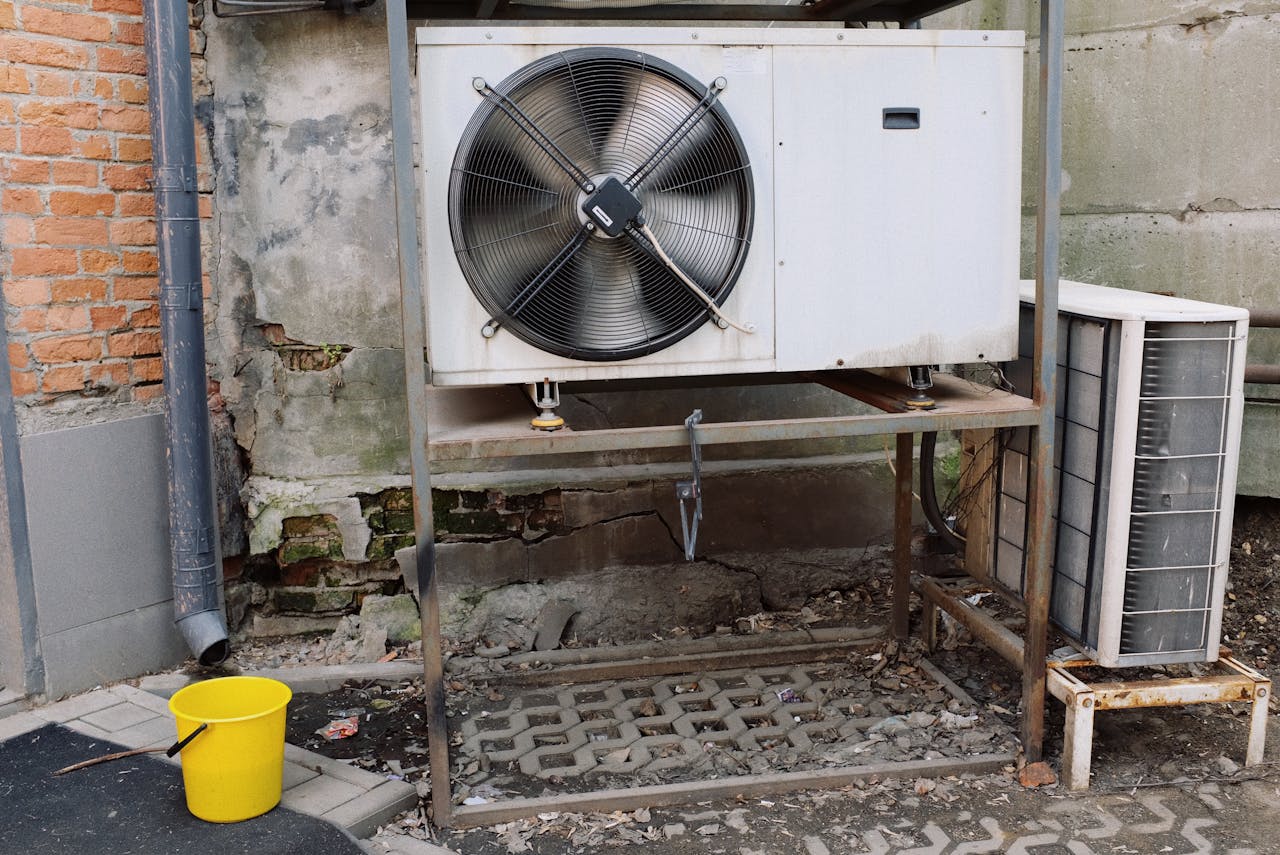
Start Smart with HVAC Replacement in LA Starter Homes
HVAC system replacement in Irvine and the LA area is not the same as putting in a brand-new system in new construction. In a starter home, you already have ducts, refrigerant lines, and electrical in place. The smart question is not just what to buy, but what you can safely reuse. Getting this balance right can save money while still giving you better comfort and lower energy use.
Many starter homes in Los Angeles, Ventura, and Orange Counties were built decades ago. Their original heating and cooling systems are often at the end of their life right when new owners move in. Spring, especially late April, is a great time to plan a replacement so your home is ready before the longest AC run times of the year. In this guide, we will walk through what often can stay, what usually needs an upgrade, and how to plan a system that actually fits your home and lifestyle.
When It’s Time to Replace Your Starter Home HVAC
Older systems often show clear signs that they are ready to be replaced. Some are obvious, some are easy to shrug off until they pile up.
Common signs it is time to think about replacement include:
- The system is 12 to 15 or more years old
- You keep paying for repairs, but problems return
- Rooms feel uneven, with hot or stuffy spots
- The system is very loud or sounds different than it used to
You might also notice things like rising electric or gas bills even after getting maintenance. That can point to a compressor, blower, or heat exchanger that is losing efficiency. Other warning signs are more visual or smell related, such as rust on equipment, oily spots around line connections, a burnt wiring smell, or an outdoor unit pad that is cracked or sinking.
At a certain point, replacement makes more sense than repair. Older units usually cannot match the comfort of newer options like:
- Two-stage or variable-speed compressors
- Variable-speed indoor blowers
- Better humidity control and quieter operation
Parts for older systems and older refrigerants can be harder to find and more expensive. Also, many starter homes were built with basic, builder-grade HVAC. A new system can finally fix rooms that were never comfortable in the first place.
Spring is a good planning window for HVAC system replacement in Irvine and nearby cities. You can usually get smoother scheduling, easier inspections, and less time without cooling. Doing the work now means your home is ready before those long, sunny days when the AC runs for hours.
What You Can Often Reuse: Ducts, Line Sets, and Electrical
One big advantage in a starter home is that a lot of the HVAC “infrastructure” is already there. The key is finding out what is still in good shape and what is holding your new system back.
For ductwork, reuse can work well when:
- Ducts are metal or newer flex and not torn or crushed
- The size matches the airflow needed for the new system
- There are no major air leaks or missing insulation
- There is no mold growth or heavy dust buildup
Red flags include rooms that are always too hot or too cool, which can point to undersized or poorly routed ducts. Other issues include ripped flex lines, ducts with missing insulation in attics, or signs of rodents. In some homes, we only need partial upgrades, such as sealing leaks, adding insulation, or adjusting a few registers instead of replacing every run.
Refrigerant line sets can also sometimes be reused. This can work when line sizes match the new equipment, the lines are accessible, not kinked or badly corroded, and they can be properly cleaned according to manufacturer and code guidelines. Replacement is usually the better call when:
- You are switching to a different refrigerant type
- The lines run through walls or slabs and there are signs of leaks
- There is visible damage or suspected contamination
Electrical pieces are another area where reuse can save time and money, as long as they are safe and up to code. Panels and existing dedicated circuits are often fine if they were sized correctly. Conduit that is accessible and in good shape can also stay. What often needs updating are undersized breakers, worn or rusted disconnects, wiring that does not meet current code, or missing safety devices like required shutoffs or surge protection. We work with licensed electricians when needed so everything is safe and compliant.
What Must Be Upgraded for Modern Comfort and Codes
The core HVAC equipment is almost always replaced as a set. That means the outdoor condenser or heat pump, the indoor air handler or furnace, and the evaporator coil. These parts are designed to work together and are rated as a matched system for efficiency. Mixing old and new equipment can lead to:
- Lower efficiency and higher bills
- More frequent breakdowns
- Possible warranty problems
Depending on your home and goals, you might choose a traditional split AC with a gas furnace, a heat pump system, or even a ducted mini-split-style setup that can work well for smaller starter homes. The right match depends on your existing gas service, how you use your home, and your comfort priorities.
Venting and safety items are another area where upgrades are usually required. New furnaces might need updated flue pipes, proper combustion air, and gas line adjustments to meet current building and mechanical codes. Many LA-area homes have equipment in attics or closets, so good condensate drains, safety shutoff switches, and overflow pans are very important to protect ceilings and walls. We also look at clearances, platforms, and anchoring so they meet manufacturer instructions and seismic requirements.
Supporting components matter too. Things that are commonly replaced with a new system include the outdoor pad, filter driers in the refrigerant lines, some low-voltage wiring, and key electrical parts like contactors. Modern programmable or smart thermostats are often a smart upgrade as long as they are matched to the features of the new equipment, for example multi-stage or variable-speed operation. These details help your new HVAC system run the way it was designed to run.
Planning an Efficient HVAC System Replacement in Irvine
A successful HVAC system replacement in Irvine starts with proper sizing. That means a Manual J load calculation based on your home’s square footage, insulation levels, window types, sun exposure, and the local climate. Guessing system size by a rough rule of thumb can lead to big problems. Oversizing can cause short cycling, noisy operation, and poor humidity control, while undersizing can leave you uncomfortable with a system that never seems to shut off.
After sizing, we look at system type and efficiency level. A traditional split system might be the right fit if you already have gas service and are happy with that setup. A heat pump can appeal if you want to reduce gas use and run on electricity for both heating and cooling. When thinking about SEER2 and AFUE ratings, it helps to balance upfront equipment choices with long-term energy savings, especially with how much air conditioning runs in Orange County and LA.
It can also be smart to think in stages. Maybe you replace the main equipment and basic duct fixes now, then plan zoning or more duct improvements later as part of a multi-year home upgrade plan. That way, you are moving toward better comfort and efficiency without having to do everything at once.
Budget planning works best when you know what drives the scope of work. Some of the biggest factors are:
- Brand and type of equipment you choose
- Efficiency ratings and special features
- Whether ducts can be reused or need work
- How easy or tight the install area is, for example attic versus closet
- Any electrical or gas upgrades needed for code and safety
There are often rebates or incentives from utilities, manufacturers, or state programs for higher efficiency equipment. A clear written proposal that separates code and safety requirements from optional performance upgrades can help you see what is truly needed right now and what can be phased in later, so your starter home is ready for many summers to come.
Get Started With Your Project Today
If your current system is struggling to keep up, we are ready to help you plan a smooth and efficient upgrade. Learn more about our approach to HVAC system replacement in Irvine and what to expect from start to finish. At Best HVAC LA, we will walk you through your options, provide transparent pricing, and answer all your questions before any work begins. To discuss your home’s needs or schedule an appointment, simply contact us.