Beyond Window Units: Planning AC Installation in LA Apartments
Staying comfortable in an LA apartment is not always easy. Many buildings are older, insulation is hit or miss, and some units get blasted by direct sun all afternoon. On top of that, space is tight and electrical panels are often dated. When the heat sticks around for months, a small window or portable unit usually ends up working overtime, making a lot of noise and still not cooling the whole place.
There is a better way to cool an apartment than stacking window units in every room. With the right AC installation in Los Angeles, you can get even cooling, quieter operation, and fewer headaches. In this guide, we will walk through how to plan a real HVAC solution for an apartment, what to know about building rules and codes, which types of systems work best, and how a licensed contractor can help you get long-term comfort instead of quick fixes.
Why Window AC Units Don’t Work Well in Los Angeles Apartments
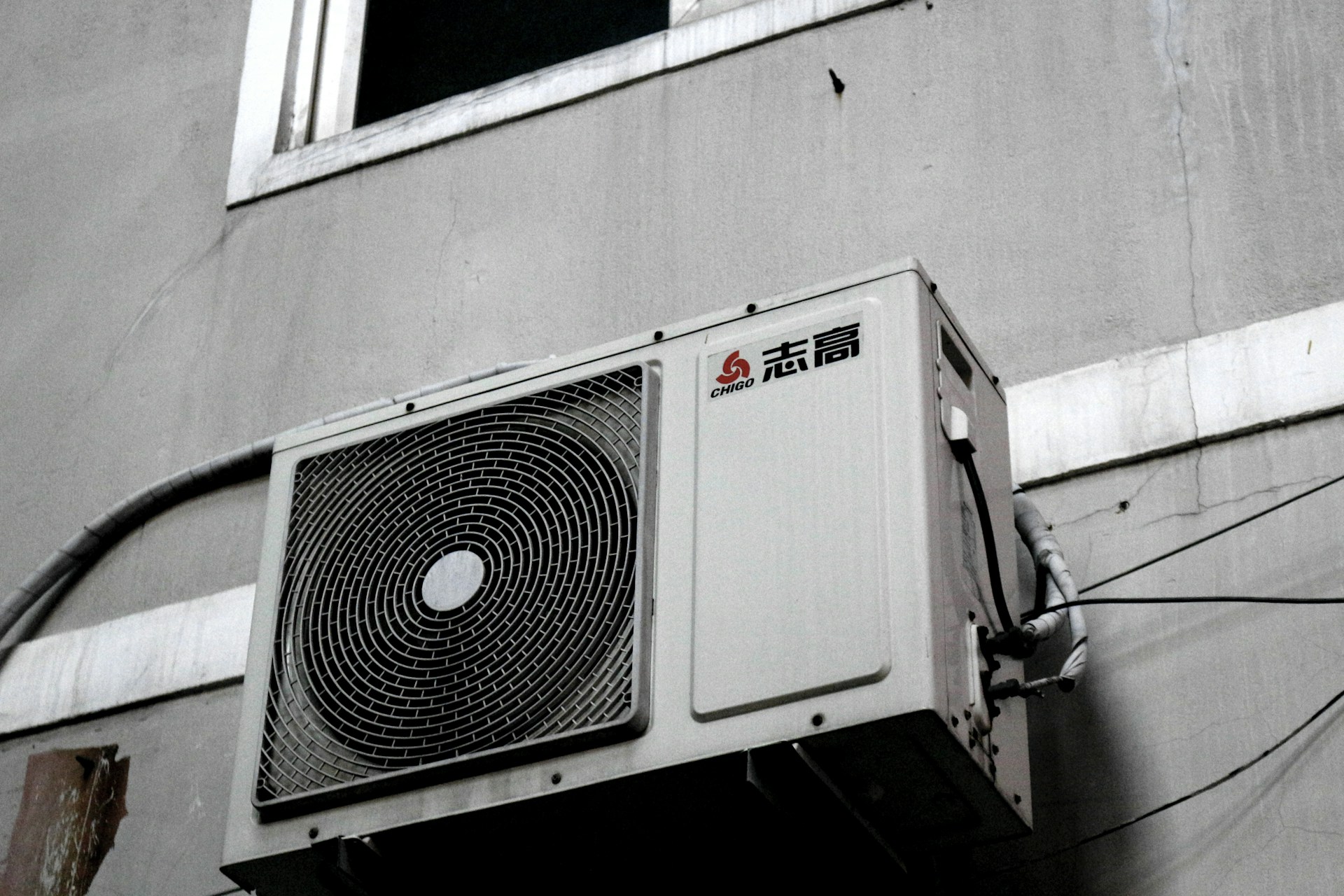
Window and portable AC units seem simple, but they bring a lot of tradeoffs, especially in multifamily buildings.
Common issues include:
- Limited cooling range, so one area turns into a fridge while other rooms stay warm
- Constant humming, rattling, or dripping noise right at the window
- Lower efficiency, which means more power use for less cooling
- Security concerns when a unit weakens or gaps a window
- Lost natural light and blocked views
In a place with a long cooling season, those small annoyances add up. The system runs for many hours, filters clog quickly, and parts wear out fast. People end up dealing with:
- Higher electric bills month after month
- Frequent trips to reset, clean, or patch the units
- Shorter equipment life and sudden failures on the hottest days
Professionally designed HVAC systems are built to handle this kind of extended use. In dense areas of Los Angeles, Ventura, and Orange Counties, where neighbors are close and building rules are strict, planning a proper system is usually a smarter long-term move than stacking more window units.
How to Plan AC Installation in Los Angeles Apartments
Before anyone installs a new AC system in an apartment, the planning step matters a lot. It is not just about picking a brand. It is about what the building and the unit can safely support.
First, there are building and code issues to think about:
- HOA or building rules about exterior equipment and appearance
- Landlord approval, especially in rentals or rent-controlled units
- Historic building restrictions that limit visible changes
- Electrical capacity and breaker space for new equipment
- Local permits and inspections required by city or county
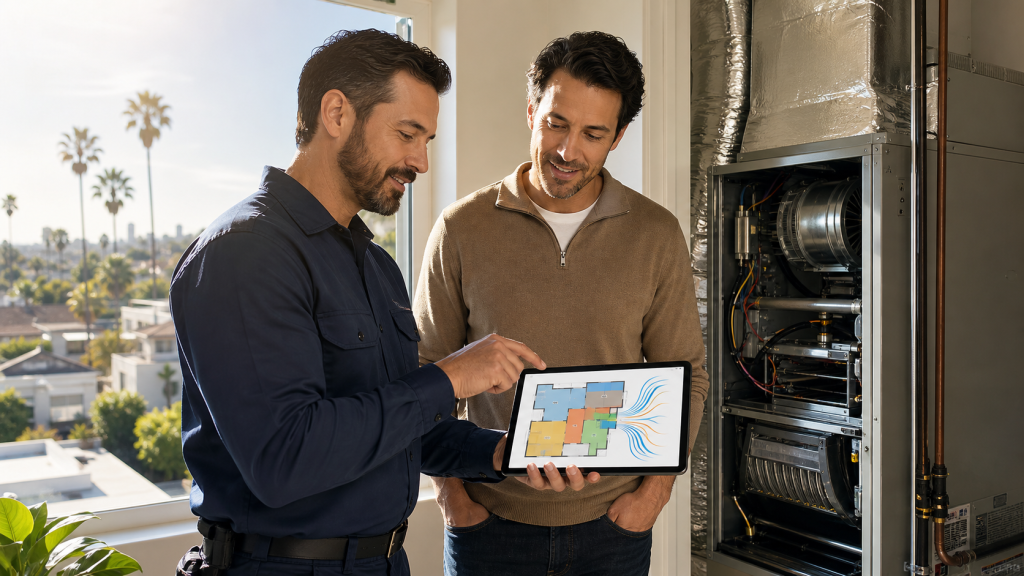
From there, a good HVAC plan starts with a detailed look inside the apartment. As a licensed heating and cooling contractor, we focus on:
- Room sizes and ceiling heights
- Quality of insulation and air sealing
- Sun exposure and which rooms overheat the most
- Window orientation and glass area
- Existing ductwork, if there is any, or the best spots for new lines
Proper system sizing is one of the most important steps. If a unit is too small, it never catches up. If it is too large, it short cycles, runs loudly, and wears out parts faster. We calculate the load for the space, choose the right capacity, and plan how refrigerant lines and drains will run so they do not cause leaks, noises in walls, or awkward wall cuts.
Choosing the Right AC System for Your Apartment
Not every apartment needs the same type of AC. Different buildings call for different setups.
Here are the main options we usually look at:
- Ductless mini-split systems: Great for apartments without ducts. They use compact indoor heads on the wall or ceiling that connect to an outdoor unit. They are quiet, efficient, and can serve one or multiple rooms.
- Small ducted systems: These use slim ducts in ceilings or soffits to serve several rooms from one indoor unit, which helps keep a cleaner look.
- Central AC tied into existing infrastructure: In some condos or larger apartment buildings, there may already be shared ductwork or a place for a central air handler.
For apartment living, certain features matter more than others:
- Compact indoor units that do not eat up precious space
- Quiet operation, so you can sleep, work, or relax without constant fan noise
- Variable-speed compressors that adjust output instead of just turning on and off
- Multi-zone setups that let you cool different rooms to different temperatures
We also pay attention to equipment lines that are known for solid reliability, good warranties, and easy access to replacement parts in Southern California. That way, future service stays simple and you are not stuck waiting for rare components.
Energy Efficiency, Repairs, and What Install Day Looks Like
In our climate, energy efficiency is not just a nice bonus; it affects daily comfort and long-term costs. When the AC runs for long stretches over many months, an efficient unit can make a big difference on your power bill.
Two common ratings you will see are:
- SEER2, which reflects how well the system cools over a season compared to how much energy it uses
- EER, which looks at efficiency under a specific set of conditions
Higher ratings usually mean the system uses less power for the same amount of cooling. That can help offset the upfront cost through lower monthly bills across the life of the system. You can also support your new AC with small upgrades like sealing obvious air leaks, adding basic insulation where it is missing, keeping filters clean, and using a smart thermostat to avoid cooling an empty apartment all day.
At some point, every apartment owner or renter has to decide whether to keep fixing old equipment or step up to a planned AC installation in Los Angeles. It might be time to move on when you notice:
- Frequent repairs or hard-to-find parts
- Rooms that never feel comfortable, no matter how low you set the thermostat
- Loud operation or vibrations that bother you or your neighbors
- Units that are past their expected service life
When we look at an existing setup, we pay close attention to the electrical system, any current ductwork, where an outdoor unit can safely go, and any structural limits. From there, we can tell if a repair, a retrofit, or a full replacement is the smarter move for long-term comfort and fewer surprise breakdowns.
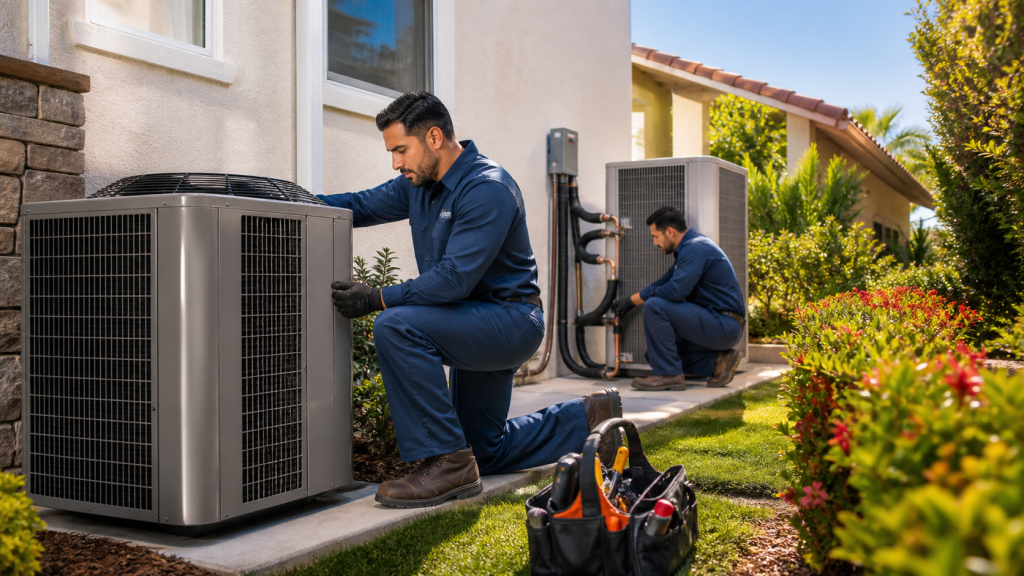
On installation day in an apartment, the process usually follows a clear path. Our team protects floors and surfaces, removes old window or wall units if needed, mounts indoor heads or air handlers, runs refrigerant lines and drains, and sets the outdoor unit in a spot that meets building rules. We coordinate with building management on work hours and noise rules and follow local codes and manufacturer instructions for a clean, safe install. After startup, we test performance, walk you through the controls and thermostat, handle warranty registration details, and set expectations for routine maintenance so the new system keeps running smoothly.
Get Started With Your Project Today
If you are ready for a cooler, more comfortable home this season, our team at Best HVAC LA is here to help you plan the ideal AC installation in Los Angeles for your space and budget. We will walk you through your options, provide clear recommendations, and handle the entire process from start to finish. To schedule your appointment or ask questions, simply contact us and we will respond promptly.