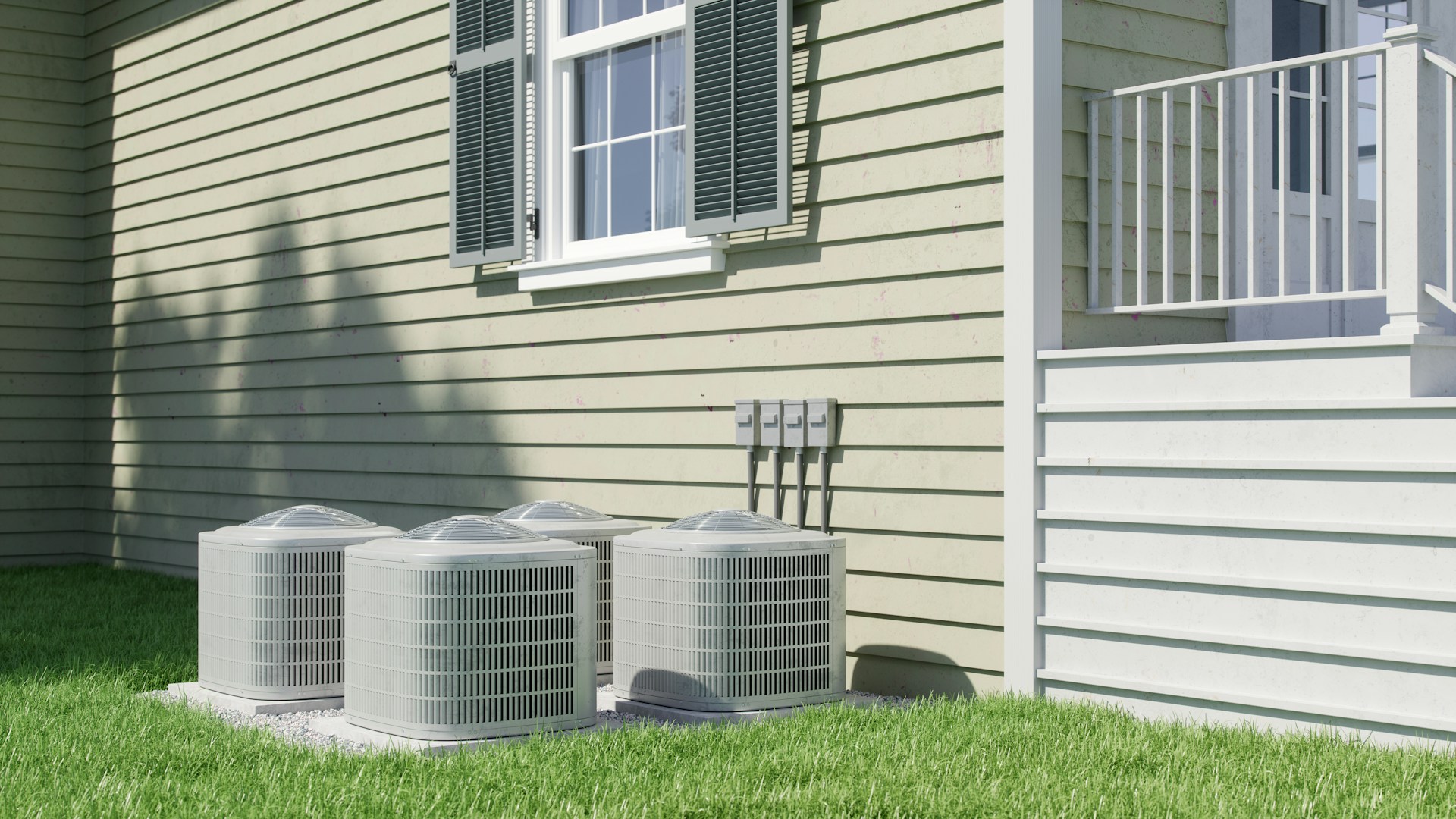
Avoid Costly Surprises with the Right HVAC Installation
Choosing how to handle a new HVAC installation in Los Angeles is not just about getting cool air. It is about safety, long-term comfort, and protecting a big investment in your property. Many people think they can save money with DIY work, but HVAC systems are one of those areas where the wrong move can haunt you for years.
When you install a new AC or full HVAC system, your choice affects how even your rooms feel, how high your electric bills run, and even how buyers view your home when it is time to sell. It also affects something many people forget about: permits, inspections, and manufacturer warranties.
As we move through spring in Southern California, a lot of homeowners and property managers are trying to get ahead of summer heat. This is the time of year when people start thinking about new AC units, full system replacements, or upgrading older equipment that keeps breaking down. The big question is: should you try to handle HVAC installation yourself, or hire a licensed contractor who works in Los Angeles every day?
What DIY HVAC Installation Really Costs Over Time
DIY HVAC installation usually sounds simple in theory. You order equipment, watch videos, maybe lean on general handyman skills, and hope to save on labor. On the surface, it can feel like a smart move.
But a full HVAC system is not like hanging a ceiling fan. Hidden problems start to show up over time and can be much harder to fix than they were to create. Some of the most common long-term DIY issues include:
- Incorrect sizing that leaves rooms too hot or too cold
- Duct connections that leak air into attics or crawl spaces
- Refrigerant lines that are kinked, undersized, or not sealed correctly
- Installations that do not meet local code or Title 24 rules
Those issues can lead to all kinds of comfort and performance headaches. Many DIY systems end up with hot and cold spots, loud operation, short cycling, low airflow, or systems that run non-stop on our longest, brightest summer days. Over time, that means higher energy use and more wear on every part of the system.
There are also serious safety and legal concerns. HVAC work can include:
- High-voltage electrical connections
- Gas lines and combustion venting for furnaces
- Refrigerants that require EPA-certified handling
Mistakes here are not just “minor details.” Miswiring can cause electrical damage or fire risk. Poor venting can lead to dangerous gases entering the home. Handling refrigerants without the right license can bring legal trouble, along with health and environmental risks. In California, code and permitting rules take these issues seriously, and DIY work often ends up needing to be ripped out or redone by a licensed pro.
Why Professional HVAC Installation in Los Angeles Protects You
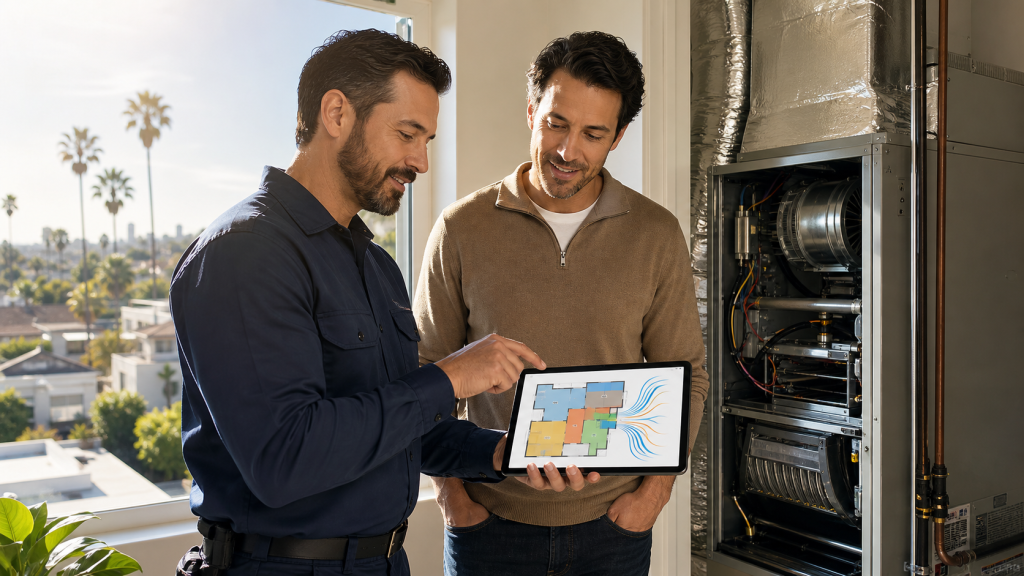
When a licensed HVAC contractor installs a system, the work starts long before any equipment is set in place. A proper installation begins with planning that is specific to your property and to our local climate.
That planning typically includes:
- Load calculations to match equipment size to the space
- A close look at existing ductwork to see if it can support new equipment
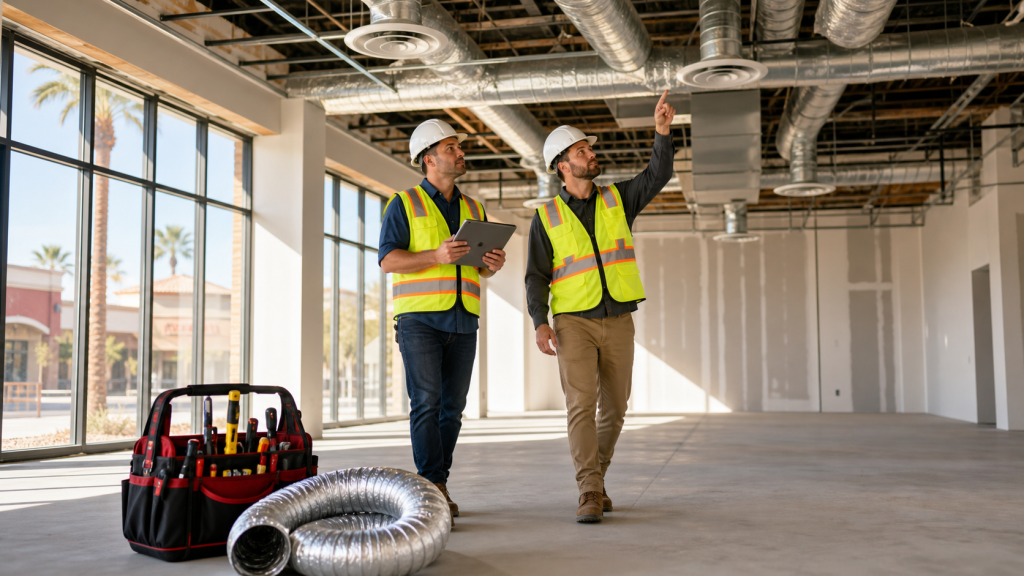
- Attention to building type, such as single-family homes, condos, or small commercial spaces
- Consideration of where the sun hits, how the building is used, and local heat patterns
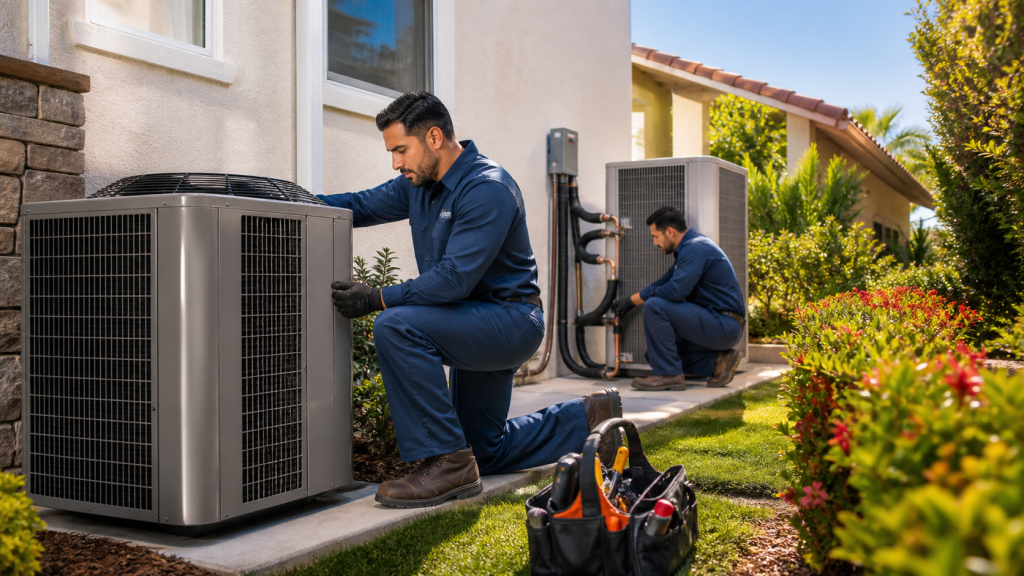
Professional HVAC installation in Los Angeles is about getting the right amount of cooling and heating with the least amount of wasted energy. A skilled installer:
- Sizes the equipment correctly, so it is not too big or too small
- Sets the refrigerant charge to manufacturer specs
- Balances airflow through the ducts for even comfort
- Places thermostats in smart locations, away from direct sun or heat sources
Over time, that kind of setup leads to lower utility bills, fewer repairs, and equipment that lasts longer because it is not constantly struggling to keep up. A pro can also walk you through equipment options, such as different SEER2 ratings, traditional furnace and AC setups, or heat pumps that can handle both heating and cooling.
You also get help comparing things like single-stage systems versus variable-speed options, and which brands and models tend to perform well in coastal areas compared to hotter inland zones. That kind of guidance is hard to replace with internet research alone.
HVAC Installation Permits in Los Angeles: Code & Compliance Requirement
In Los Angeles, Ventura, and Orange Counties, many HVAC projects need permits. This often includes:
- New HVAC system installations
- Equipment changeouts, like swapping a condenser or furnace
- Major ductwork changes or additions
- Adding or updating electrical circuits for HVAC equipment
When the work is inspected, officials look at much more than whether the unit turns on. They check clearances around the equipment, electrical work, gas line integrity, refrigerant line routing, condensation drain lines, rooftop mounting and securing, and Title 24 energy compliance.
If a system is installed without the right permits or is clearly not up to code, you can face real headaches:
- Orders to remove or correct unpermitted work
- Delays and extra costs when trying to close permits later
- Problems during a sale when inspectors flag the HVAC system
- Possible fines from local authorities
There is also the insurance side. If there is a fire, water damage from a backed-up drain, or a carbon monoxide issue that traces back to unpermitted or non-code-compliant HVAC work, your homeowners insurance may not respond the way you hope. Having the system installed and documented by a licensed contractor is a big part of protecting yourself if something goes wrong later.
HVAC Installation Warranty Rules in Los Angeles (DIY vs Pro)
When you buy new HVAC equipment, the warranty is a major part of the value. Most systems come with:
- A manufacturer parts warranty
- A labor warranty from the contractor who installs it
- Optional extended coverage and maintenance plans
What many people miss is that manufacturers often require professional installation by a licensed contractor for that warranty to be valid. They may also ask for proof of permits, start-up documentation, and proper registration.
With DIY work, you can run into problems like:
- Denied claims when a compressor fails on a system that was not installed by a pro
- Warranty pushback on control board or motor issues tied to incorrect wiring
- Refusal to cover refrigerant leaks on lines that were not installed to spec
Even with a professional installation, most warranties expect ongoing maintenance. That usually means regular tune-ups, cleaning coils, checking refrigerant levels, and keeping records of service. Skipping those visits can shorten the life of your system and give the manufacturer reasons to deny a claim.
Comparing Long-Term Costs: DIY vs. Professional Installation
When you compare DIY HVAC installation to hiring a licensed contractor, it helps to think in terms of long-term ownership, not just the first day the system runs.
You can break the costs into four main areas:
- Initial equipment and labor
- Energy use over the life of the system
- Repair frequency and parts replacement
- Possible reinstallation or code-correction work
DIY may cut out some labor at first, but any savings can disappear fast if the unit is oversized or undersized, ducts leak, or the refrigerant charge is off. The system might run longer, struggle to keep up on hot afternoons, and push your power bills higher than they need to be. Repairs also tend to be more common when the original installation was not done to manufacturer and code standards.
A professional installer can help you right-size the equipment so you are not paying for capacity you do not need. They can recommend models that match your comfort goals and energy-efficiency needs, and that may qualify for local rebates. Correct ductwork, smart control placement, and proper commissioning all reduce wasted cooling, especially during long stretches of heat.
Spring is a smart time to plan this work. Getting your system installed before the busiest part of summer helps you avoid rushed decisions, long wait times, and the stress of dealing with an upgrade while the building is already uncomfortably hot.
Plan a Safe, Efficient HVAC Upgrade with Best HVAC LA
An HVAC installation is not a weekend project. It is a long-term investment in comfort, safety, and property value, especially in our area where cooling demand stays strong for much of the year and codes are strict. Taking shortcuts with DIY work can put your warranty, your insurance, and your peace of mind at risk.
At Best HVAC LA, we focus on planning and installing systems that fit local homes and businesses across Los Angeles, Ventura, and Orange Counties. We handle the details like load calculations, equipment recommendations, ductwork evaluation, permits, and maintenance options so your new system is set up for reliable, efficient performance. Whether you are upgrading a home or a light commercial space, a professional installation helps protect your investment and keeps your space comfortable through the hottest parts of the season and beyond.
Upgrade Your Comfort With Professional HVAC Installation
If you are ready to improve your home’s comfort and efficiency, our team at Best HVAC LA is here to help with expert HVAC installation in Los Angeles. We carefully evaluate your space, needs, and budget to recommend the right system for long-term performance. Reach out today to schedule a consultation or ask questions about your options by using our contact page. Let us make your next HVAC project straightforward, reliable, and worry-free.