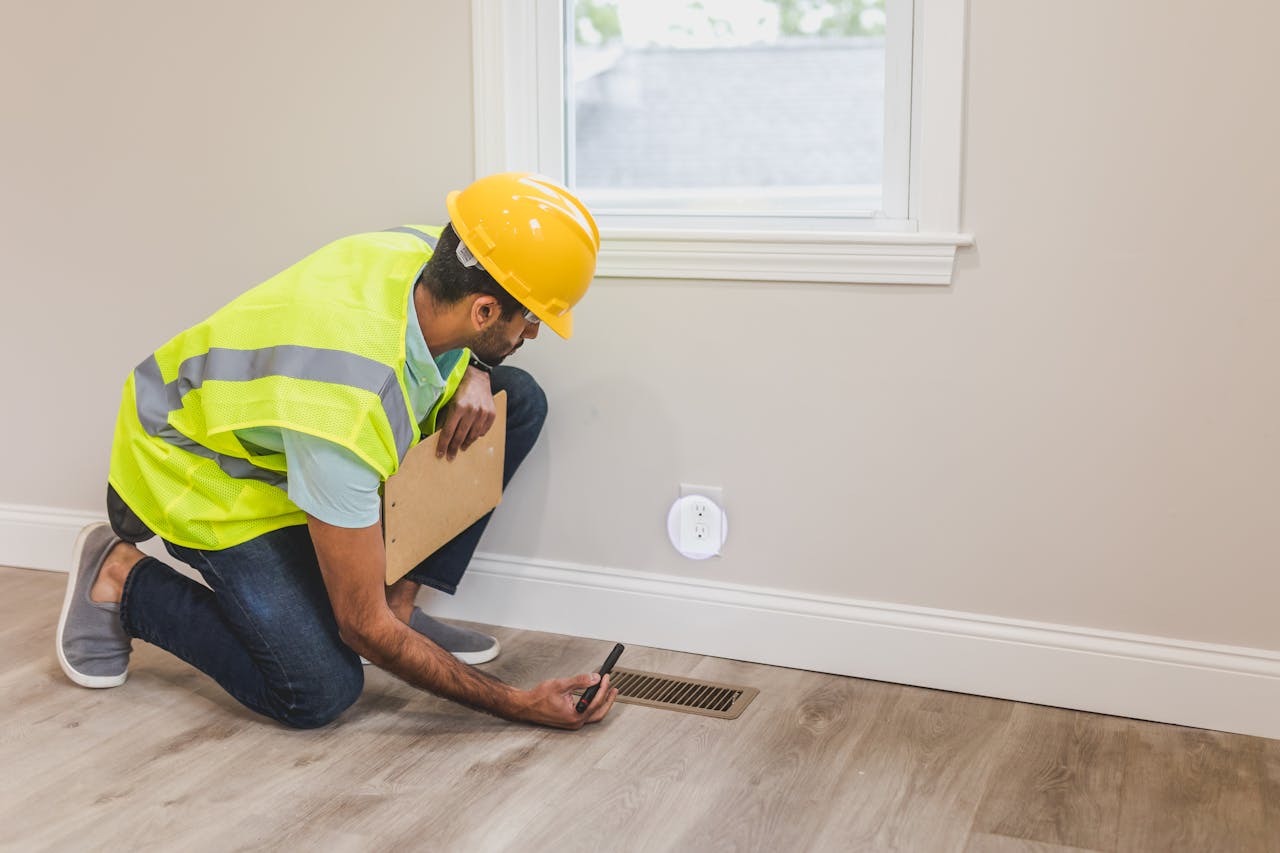
Stop Costly Breakdowns Before Los Angeles’ Hottest Days Hit
An HVAC inspection in Los Angeles is one of the simplest ways to keep cool, steady air flowing when you need it most. As we move through late March, AC units across the city are about to start working a lot harder, and that first long run of the season is often when weak parts fail.
Getting your system checked before the real heat hits helps prevent surprise breakdowns, hot rooms, and last‑minute emergency calls when everyone else is trying to fix their AC too. A professional inspection also gives you a clear picture of how your equipment is doing right now, not when it is already struggling.
At Best HVAC LA, we work on systems across Los Angeles and Orange County, so we see the same patterns every spring. Here is what actually happens during a thorough HVAC inspection in Los Angeles and why it matters for your home or building.
Why LA Homes and Businesses Need Regular HVAC Inspections
Living and working in Southern California is great, but the local conditions are tough on HVAC equipment. Our systems deal with:
- Long stretches of heat that keep ACs running for many hours
- Coastal humidity that can affect metal parts and wiring
- Inland dust that settles on coils and inside ductwork
- Smog and wildfire smoke that clog filters and strain fans
All of this makes inspections more than just a nice extra. Regular checks help catch small problems while they are still easy to fix. That means fewer mid‑season breakdowns, more even temperatures in every room, and less energy waste.
Preventive inspections also support cleaner indoor air. When filters, coils, and ducts stay in good shape, your system can remove more of the fine particles that float around from traffic, smoke, and pollen. That is important for homes, offices, and any place where people spend long hours inside.
There is also a paperwork side to this. Many manufacturers expect regular professional service to keep warranties in good standing. For commercial buildings, property managers often need documented HVAC inspection records to stay in line with lease terms, local rules, or insurance needs. Showing that your system is checked on a routine schedule can help with all of that.
What Technicians Check on Your AC and Heat Pump
During an HVAC inspection in Los Angeles, one of the first things a technician does is start up the system and watch how it behaves. They will:
- Turn the system on from the thermostat and see how fast it responds
- Check the temperature of the air going into the unit and the air coming out
- Listen for strange noises like rattling, buzzing, or grinding
- Look for shaking or vibration that can point to loose parts
Next comes a close look at electrical and mechanical parts. Over time, heat, dust, and simple wear can damage these pieces. A technician will typically inspect:
- Contactors, capacitors, and relays
- Wiring connections and signs of overheating
- Motors for the indoor blower and outdoor fan
- Fan blades and belts, where used
- Safety controls that tell the system when to stop or shut down
Refrigerant and airflow are also key. Low refrigerant or blocked airflow can make your AC or heat pump run longer, cool less, and stress the compressor. During an inspection, the technician may:
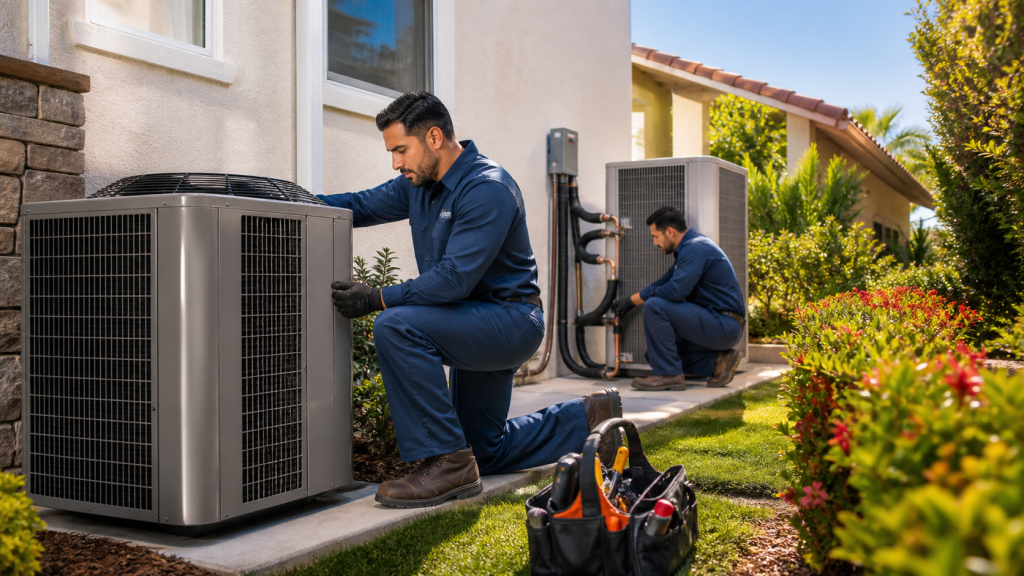
- Check refrigerant levels and visible refrigerant lines
- Look at the evaporator and condenser coils for dirt or damage
- Test thermostat settings and operation
- Check airflow at supply and return vents to spot weak zones
All of this helps the technician see how well the system is cooling and where it might struggle once outdoor temperatures climb.
Indoor Air Quality and Filter Checks That Matter in LA
Los Angeles air carries a mix of smog, dust, and seasonal pollen, and on bad days, wildfire smoke can make things even worse. Your HVAC system is a big part of how that outside air affects your indoor space.
The inspection will always include a look at your air filters and basic ventilation. A technician will check:
- Filter size, type, and current condition
- How often filters should be changed in your specific space
- Whether the current filter rating is a good match for local pollution
They may recommend a different MERV rating if you are dealing with allergies, smoke, or traffic pollution. The goal is to balance cleaner air with good airflow so your system does not have to work too hard.
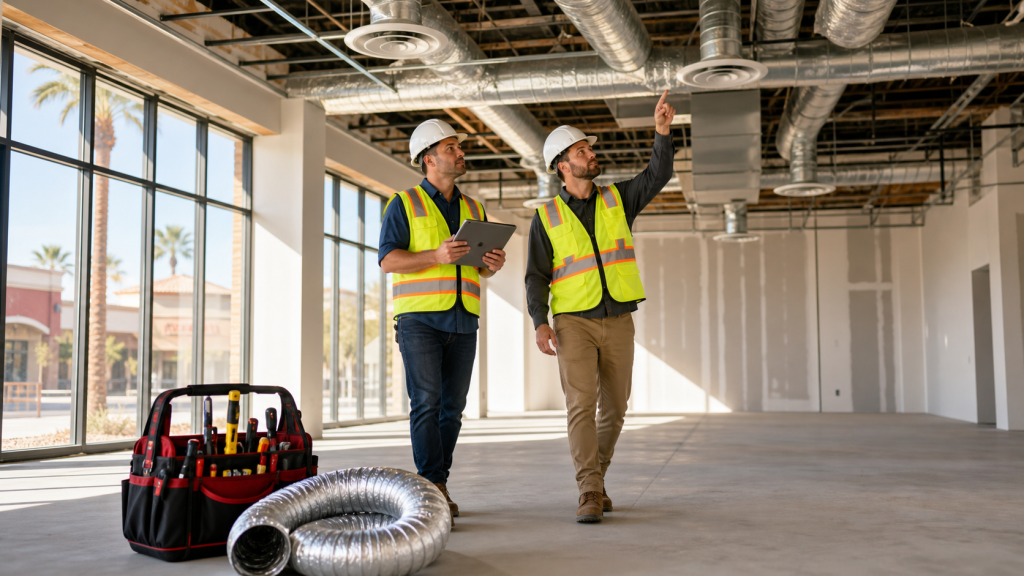
Ductwork also plays a big role. Even a small leak can pull in dirty attic or crawlspace air and send it into your rooms. During an inspection, the technician will look at accessible duct sections for:
- Gaps or loose connections
- Crushed or sagging duct runs
- Missing or damaged insulation
Many homes and buildings also have indoor air quality add‑ons. If you have air purifiers, UV lights, or humidity controls tied into your HVAC system, the technician will check that they power on, cycle correctly, and are placed properly. These tools can help a lot during allergy season or smoke events, as long as they are working the way they should.
Heating System and Safety Checks You Should Not Skip
Even in a warm climate, your heating system still needs attention. Heat pumps run in both cooling and heating modes, and gas furnaces sit idle for long stretches, which can lead to hidden issues.
During the inspection, the technician will:
- Test your furnace or heat pump in heating mode
- Check ignition and burners on gas units
- Look at accessible parts of the heat exchanger
- Inspect venting or flue pipes for blockages or corrosion
Gas and carbon monoxide safety is a big part of this visit. The technician will inspect visible gas lines near your equipment, look for signs of leaks, and confirm that safety shutoffs work correctly. They may also talk with you about carbon monoxide detectors in the space and where they should be placed.
Other safety checks often include:
- Testing safety switches that shut the system down if there is a problem
- Checking condensate drains and pumps for clogs or leaks
- Confirming there is clear space around indoor and outdoor units
These steps help keep your system running safely and in line with good local practices.
What You Receive After an HVAC Inspection in Los Angeles
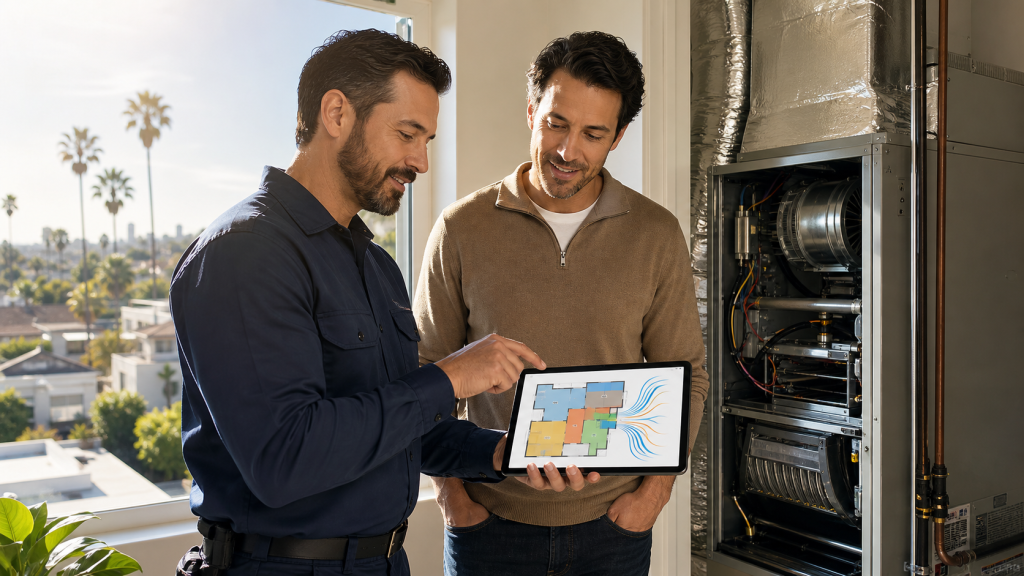
When the inspection is finished, you should not be left guessing. A good technician will sit down with you and walk through what they found. You can expect a clear explanation of:
- What parts of your system are working well
- Items that need attention soon, like a worn capacitor or dirty coil
- Longer-term issues, like aging equipment that may need replacement later
From there, you will get maintenance and repair suggestions that match the condition of your system. Common recommendations include coil cleaning, duct sealing, filter upgrades, or replacing parts that are close to failing. The idea is to help you plan, not pressure you, so you can choose what lines up with your budget and schedule.
A spring HVAC inspection in Los Angeles sets you up for the hotter months ahead. You will know if your AC or heat pump is ready for steady use, what might need work before it gets stressed, and how to keep your indoor air cleaner as outdoor air quality changes. That peace of mind makes it easier to get through long warm days without worrying about the next breakdown.
Improve Your Indoor Comfort With a Professional HVAC Checkup
If you are concerned about energy bills, inconsistent temperatures, or strange noises from your system, now is the right time to schedule a thorough HVAC inspection in Los Angeles. At Best HVAC LA, we carefully evaluate your equipment to catch small issues before they become expensive repairs. Our licensed technicians will explain what they find in clear terms so you can make confident decisions about your home or business comfort. Reach out today to book your appointment and keep your system running safely and efficiently.