

Breathe Easy: How HVAC Systems Are Fighting Indoor Pollution
Why Indoor Air Quality Matters
Indoor air pollution is a hidden threat. Dust, allergens, mold spores, and microscopic particles from cooking, cleaning, or even pets can linger in your home. Over time, poor air quality can lead to headaches, fatigue, allergies, and respiratory issues.
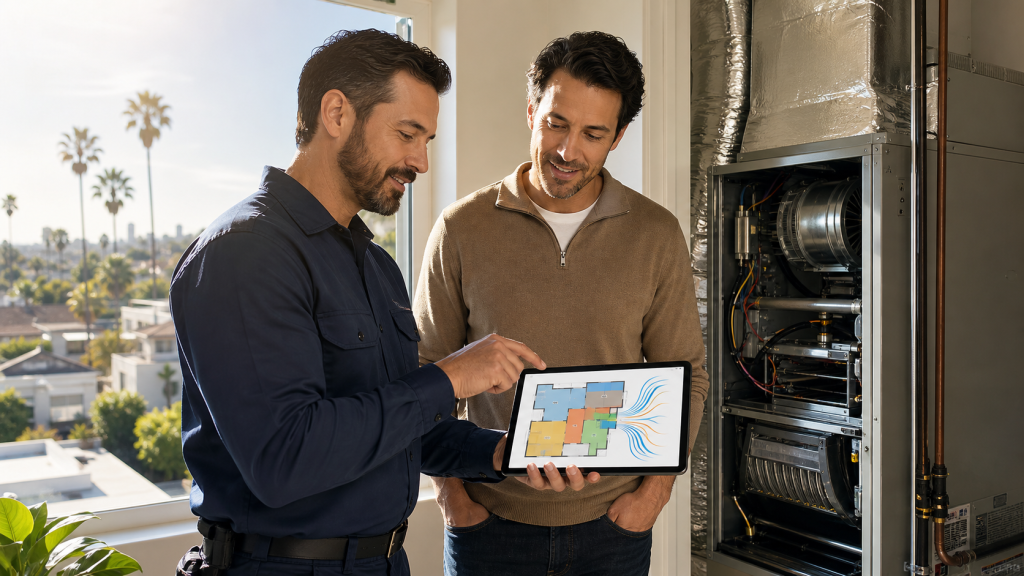
Modern HVAC systems are no longer just for temperature control. They are your frontline defense for a healthier, safer home. By actively filtering and improving the air you breathe, they ensure your family’s comfort and well-being.
How HVAC Systems Combat Pollution
1. Advanced Filtration
High-efficiency filters trap dust, pollen, pet dander, and other airborne particles before they reach your lungs. HEPA filters, in particular, remove up to 99.97% of contaminants, making your indoor air cleaner than ever.
2. UV Light Sanitization
Some HVAC units come with UV lights that target bacteria, viruses, and mold spores, reducing the risk of illness and keeping your home healthier.
3. Airflow and Ventilation
Efficient HVAC systems ensure stale air is replaced with fresh, clean air throughout your home, eliminating pockets of stagnant, polluted air.
4. Humidity Control
Proper humidity levels prevent mold growth and limit dust mites, reducing allergens and creating a comfortable indoor environment year-round.
The Benefits of Cleaner Indoor Air
- Stronger Immunity and Health – Reduced exposure to harmful pollutants protects your family from allergies, asthma, and other respiratory issues.
- Improved Sleep and Comfort – Clean, properly humidified air helps you rest better and feel more energized.
- Energy Efficiency and Longevity – Cleaner air means less dust buildup on HVAC components, improving efficiency and extending the life of your system.
- Peace of Mind – Knowing your home actively fights pollutants ensures your family stays safe and healthy.
Tips to Maximize Your HVAC Air Quality
- Change Filters Regularly – At least every 3 months, or sooner for HEPA filters in high-traffic homes.
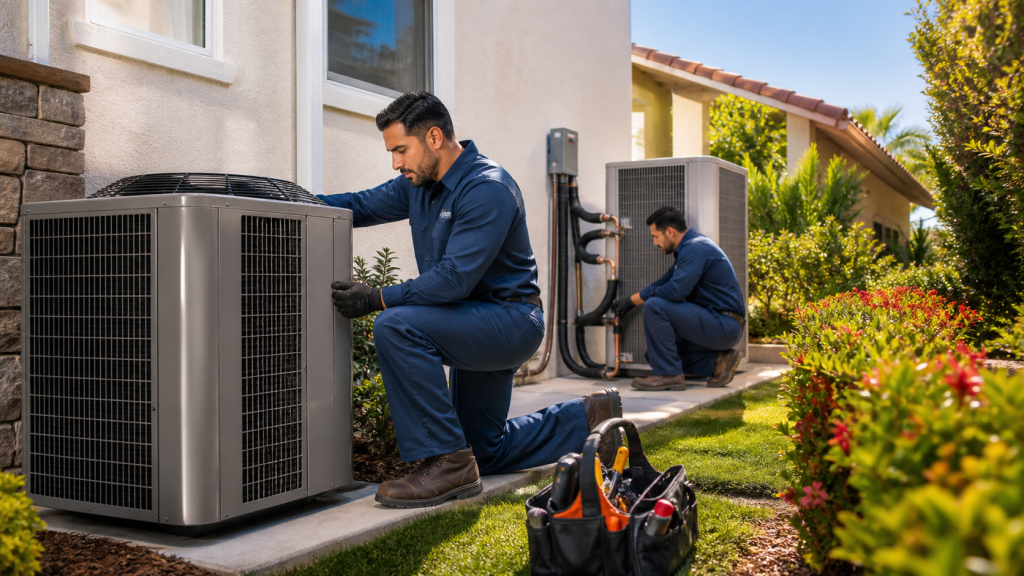
- Schedule Annual Maintenance – A well-maintained system works harder and cleaner.
- Use a Smart Thermostat and Sensors – Track air quality in real time and adjust ventilation automatically.
- Seal Ducts and Insulate Properly – Prevents dust and allergens from bypassing your filtration system.
- Consider Upgrades – HEPA filters, UV lights, and advanced air purifiers make a big difference.
FAQs About HVAC and Indoor Air Quality
Q1: Can my current HVAC system improve indoor air quality?
A: Yes. Even standard systems help circulate air, but adding HEPA filters, UV lights, and proper ventilation will dramatically boost results.
Q2: How often should I replace my air filters?
A: Every 1 to 3 months for standard filters, and 6 to 12 months for high-efficiency HEPA filters. Homes with pets or allergies may require more frequent changes.
Q3: Can HVAC systems remove viruses and bacteria?
A: Certain systems with UV sanitizers or high-efficiency filters can reduce airborne bacteria and viruses, providing an extra layer of protection.
Q4: How do I know if my indoor air quality is poor?
A: Signs include frequent allergies, dust buildup, condensation, musty odors, or respiratory irritation. Consider using indoor air quality monitors for precise measurements.
Mini Blog Section: Keep Your Air Clean Year-Round
- Winter: Dry air increases dust and allergens. Use humidifiers with your HVAC system.
- Spring: Pollen season? HEPA filters are your best friend.
- Summer: Proper ventilation keeps hot, stale air and humidity at bay.
- Fall: Clean out ducts and change filters to remove accumulated debris from summer.
Upgrade Your HVAC System for Cleaner Air Today
The technology behind modern HVAC systems goes far beyond heating and cooling. They are your smart air purifiers, working 24/7 to keep your home safe, healthy, and comfortable.