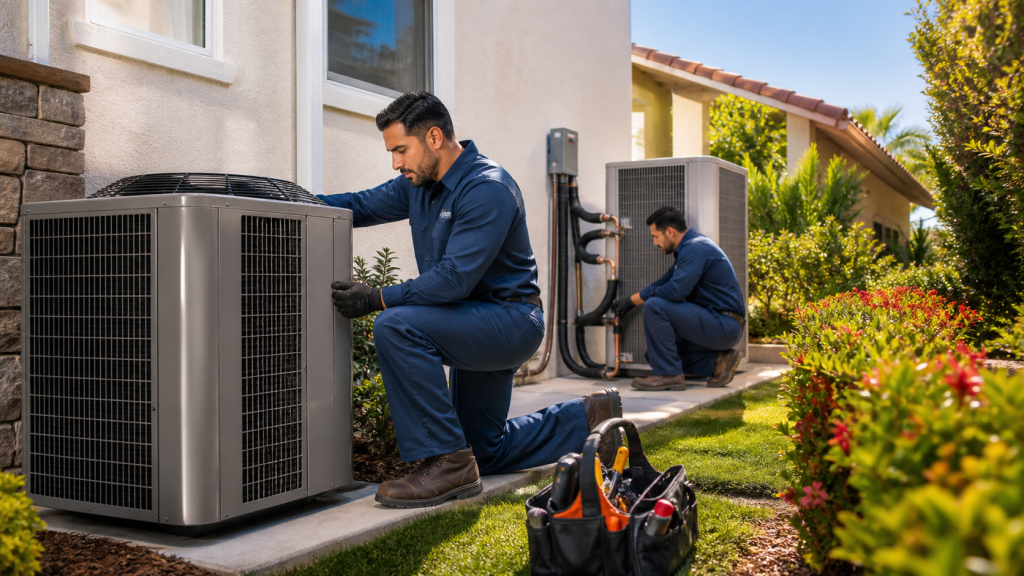


Living in Calabasas comes with many perks. Beautiful homes, warm weather, and a comfortable suburban lifestyle. But even in Southern California, excess indoor humidity can quietly create problems inside your home. From musty smells to poor air quality and higher cooling costs, moisture issues are more common than many homeowners realize.
A dehumidifier can be a powerful tool when used correctly. The key is knowing when you actually need one and how to use it properly without overdoing it. In this guide, we will walk through how dehumidifiers work, when they make sense for Calabasas homes, and how they fit into an overall HVAC strategy.
What Does a Dehumidifier Do?
A dehumidifier removes excess moisture from the air. It pulls humid air into the unit, condenses the moisture into water, and releases drier air back into your space. The collected water is stored in a tank or drained through a hose.
Lower humidity helps your home feel more comfortable, reduces allergens, and protects your property from moisture damage.
Most homes feel best when indoor humidity levels stay between 30 and 50 percent.
Do Homes in Calabasas Really Need Dehumidifiers?
Calabasas is not known for tropical humidity, but moisture problems still happen, especially in specific situations.
Here are common reasons Calabasas homeowners use dehumidifiers:
- Coastal air influence that brings moisture inland
- Warm temperatures combined with closed windows and air conditioning
- Poor ventilation in bathrooms, laundry rooms, or kitchens
- Basements, crawl spaces, or lower levels that trap moisture
- Newer energy efficient homes that are tightly sealed
Even moderate humidity can feel uncomfortable when combined with heat. It can also make your air conditioner work harder than necessary.
Signs You May Need a Dehumidifier
Not sure if a dehumidifier is right for your home? Watch for these warning signs:
- Rooms feel sticky or damp even with the AC running
- Condensation on windows or mirrors
- Musty odors that do not go away
- Mold or mildew spots on walls or ceilings
- Allergy symptoms that worsen indoors
- Wood floors or furniture starting to warp
If you notice several of these issues, excess humidity is likely part of the problem.
When Is the Best Time to Use a Dehumidifier?
Timing matters when using a dehumidifier. Running it nonstop is not always necessary or helpful.
During Warmer Months
Late spring through early fall is when humidity issues are most common in Calabasas. Even dry outdoor air can turn humid indoors due to cooking, showers, and daily activities.
A dehumidifier helps your air conditioner cool more efficiently during these months.
After Water Events
If your home has experienced a leak, plumbing issue, or minor flooding, a dehumidifier is essential. Moisture left behind can lead to mold growth within days.
In Poorly Ventilated Areas
Bathrooms, laundry rooms, garages, and storage rooms often benefit from periodic dehumidifier use year round.
When AC Alone Is Not Enough
Air conditioners remove some humidity, but they are not designed to solve moisture problems on their own. If your AC runs constantly and the home still feels damp, a dehumidifier can help balance things out.
How to Use a Dehumidifier Correctly
Using a dehumidifier properly ensures better results and prevents unnecessary energy use.
Choose the Right Size
Small units work well for single rooms. Larger spaces or whole home applications require stronger units or HVAC integrated solutions.
An undersized dehumidifier will run constantly and never fully solve the problem.
Place It Strategically
Place the unit where moisture is highest. Common locations include basements, near bathrooms, or in rooms that feel damp.
Make sure airflow around the unit is not blocked by walls or furniture.
Set the Right Humidity Level
Aim for 40 to 50 percent humidity. Lower than that can dry out the air too much and cause discomfort.
Most modern units have built in humidistats that automatically turn the unit on and off.
Maintain It Regularly
Empty the water tank often or connect a drain hose if available. Clean filters monthly to keep airflow strong and prevent dust buildup.
Poor maintenance reduces efficiency and shortens the lifespan of the unit.
Whole Home Dehumidifiers and HVAC Systems
For many Calabasas homeowners, portable dehumidifiers are only a temporary solution.
Whole home dehumidifiers integrate directly with your HVAC system and treat all indoor air evenly. These systems are ideal for:
- Larger homes
- Ongoing humidity problems
- Homes with allergies or asthma concerns
- Property owners looking for energy efficiency
An HVAC professional can assess your home and recommend the right solution based on layout, insulation, and existing equipment.
How Dehumidifiers Improve HVAC Performance
Lower humidity allows your air conditioner to cool your home faster and cycle less often. This can lead to:
- Better indoor comfort
- Lower energy bills
- Reduced strain on your AC system
- Longer equipment lifespan
In many cases, homeowners notice their home feels cooler at higher thermostat settings once humidity is under control.
Trust Local HVAC Experts in Calabasas
Humidity control is not just about comfort. It protects your home, your health, and your HVAC investment.
If you live in Calabasas and are dealing with moisture issues, an experienced HVAC professional can evaluate whether a dehumidifier, ventilation upgrade, or system adjustment is the best solution.
A properly balanced HVAC system should manage temperature, airflow, and humidity together, not separately.
Final Thoughts
A dehumidifier is not something every home needs all the time, but when used correctly, it can make a dramatic difference in comfort and air quality.
For Calabasas homeowners, understanding when and how to use a dehumidifier is an important step toward a healthier, more efficient home. Whether you choose a portable unit or a whole home solution, managing indoor humidity helps your HVAC system work smarter and your home feel better year round.