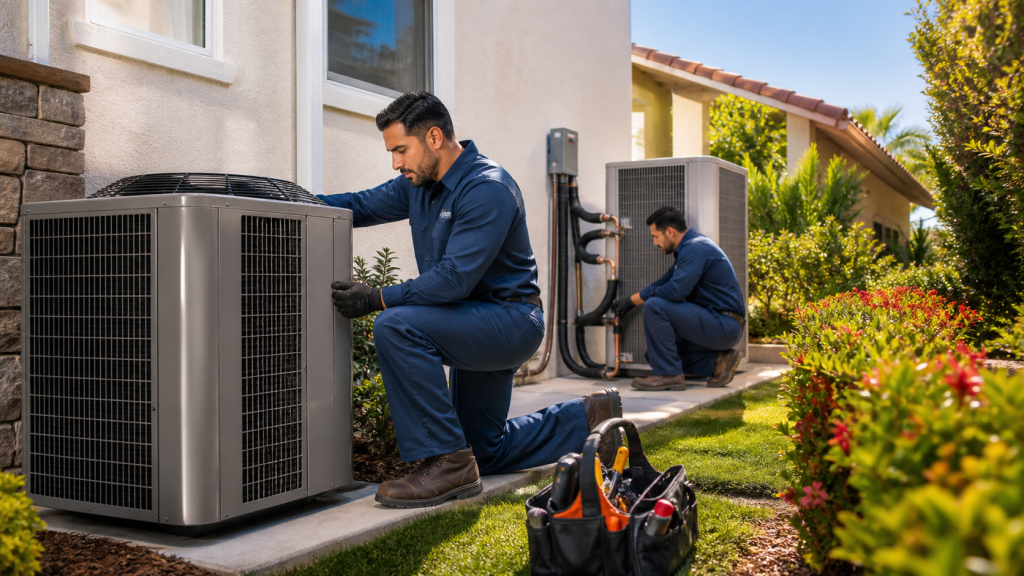

How Anaheim Homeowners Can Avoid HVAC Regrets
Choosing a residential HVAC contractor in Anaheim is not just about getting cold air when you hit the thermostat. It affects how your home feels every single day, how much you pay on your electric bill, and how long your system lasts before you are forced into another big upgrade. With Anaheim’s mixed climate, those choices matter even more.
Our area sees warm, dry summers, cooler, damp evenings, long heatwaves, and those late afternoons when the sun just bakes the house. Undersized or outdated systems struggle on those days and often run non-stop without ever really catching up. Oversized systems short-cycle, turn on and off a lot, and leave rooms sticky and uneven. The right contractor helps you avoid both extremes.
A local team that understands Southern California microclimates can design a system that handles marine layer mornings, hot inland afternoons, and late summer spikes, without wasting energy. Picking that kind of partner, instead of just the lowest bid, is how you protect comfort, your budget, and your equipment.
Planning an HVAC System That Fits Anaheim’s Climate
The first step is planning, not picking a brand. A good residential HVAC contractor in Anaheim will start by sizing the system correctly. That means using proper load calculations similar to Manual J methods, not guesswork.
Things that should be checked include:
- Square footage and ceiling height
- Insulation in walls and attic
- Window type, size, and sun exposure
- Air leakage around doors, windows, and vents
When a contractor skips this and just replaces “like-for-like,” you can end up with the same hot and cold spots you already hate. Proper sizing helps your system run longer, smoother cycles, which improves comfort and reduces wear.
Next is picking the type of system that fits our long cooling season and light heating needs. In Anaheim, many homes work well with:
- Traditional central HVAC systems for whole-home comfort
- Heat pumps that provide both cooling and mild heating
- Ductless mini-splits for rooms without ducts or stubborn hot spots
Zoning can be a big win here. If your upstairs turns into an oven while the downstairs feels fine, a zoned system with separate controls for different areas lets you target those trouble spots without freezing the rest of the house.
A thoughtful contractor will sit down with you and talk through comfort complaints, noise issues, and known duct problems. We like to walk the home, look at vents and returns, listen to what bothers you most, then build a system plan that balances:
- Comfort in every main living space
- Energy use over many summers
- Your preferred upfront budget
What to Ask a Residential HVAC Contractor in Anaheim
Once you start talking to potential contractors, the questions you ask matter. Licensing is the first thing to check. In our area, you want a contractor that is properly licensed, pulls the right city permits, and understands local codes and Title 24 energy standards. That protects you and helps keep the work up to current rules.
Installation quality is just as important as the equipment itself. Two homes with the same model of AC can feel totally different, simply because of how they were installed. Helpful questions to ask include:
- How do you design or review ductwork for proper airflow?
- How do you handle refrigerant charging to meet manufacturer guidelines?
- Do you test static pressure and airflow in the system after installation?
Good contractors welcome these questions. They should be able to explain, in plain terms, how they make sure the air actually reaches each room at the right volume and temperature.
You also want to know how familiar the contractor is with Anaheim conditions. Ask about:
- Response times during peak summer demand
- Access to common replacement parts
- Ongoing maintenance or service plans for long-term care
A contractor that is prepared for summer rushes and has a clear plan for yearly service can keep your system reliable when your home needs it most.
Comparing Equipment, Efficiency, and Long-Term Costs
Once the design is clear, the next step is picking equipment. In our climate, homeowners often look at:
- High-efficiency air conditioners that cool hard on hot days
- Heat pumps that cool and also handle mild heating needs
- Variable-speed systems that run longer at lower speeds for steady comfort
These options behave differently in Anaheim’s long cooling months. Variable-speed and high-efficiency units can bring more stable temperatures and quieter operation, especially in homes that are occupied most of the day.
Efficiency ratings can be confusing, but a good contractor will break them down. SEER2 describes cooling efficiency, and HSPF2 describes heat pump heating efficiency. Higher ratings usually mean less energy used per amount of heating or cooling. The trick is knowing when paying more for efficiency will actually pay off in lower energy use for your situation and daily habits.
You will also see a lot of talk about brand names, smart thermostats, and indoor air quality add-ons. A trusted contractor should focus on matching features to your goals, such as:
- Lower energy use
- Better comfort in certain rooms
- Quieter operation
- Cleaner indoor air
The goal is a clear, honest comparison of options, not a sales pitch loaded with fancy names.
Repair or Replace Before the Summer Rush
As spring turns toward warmer months, many homeowners are unsure whether to repair an older system or replace it. Sometimes a focused repair is the right call, especially when:
- The system is relatively new
- The issue is an isolated component, like a capacitor or contactor
- The unit has been maintained and runs well otherwise
A careful contractor will check the system, look at history, and explain what failed and why, before suggesting big changes.
On the other hand, some signs point toward replacement making more sense:
- Frequent breakdowns and repeated service calls
- Rising energy bills with no change in usage
- Uneven cooling or short cycling
- Very low SEER or older R-22 refrigerant systems
With heatwaves likely as spring moves forward, an older system may fail right when scheduling is hardest. Planning ahead gives you more choices and less stress.
A thoughtful contractor can also help you phase upgrades, like improving ducts now and equipment later, or pairing replacements with financing options so you can spread out the impact. Handling these decisions before summer peaks gives you time to think instead of choosing in a rush.
Installation Day and What Comes After
A quality installation should feel organized and respectful of your home. On installation day, you should see the crew:
- Protecting floors and walkways
- Removing old equipment carefully
- Checking ducts for leaks, kinks, or poor connections
- Setting, wiring, and charging the new system by the manufacturer’s guidelines
Before they leave, they should test each major room for airflow and temperature, then walk you through what they did and how to use the new controls.
Filtration and thermostat setup are simple details that make a big difference in Anaheim. Outdoor air can carry dust, pollen, and other particles that end up in your filters. Your contractor should help you choose the right type of filter for your system and show you how often to change it based on local conditions and family needs.
Smart and programmable thermostats are also helpful when they are set correctly. Basic schedules that match your daily routine can keep the home comfortable when you are there, and save energy when you are not, without constant fiddling.
Finally, ongoing maintenance keeps your investment working as it should. A simple plan usually includes:
- Spring checkups before heavy cooling months
- Fall visits to inspect and clean components
- Regular filter changes in between
With steady care and responsive service, your system can stay efficient, quiet, and dependable through many Anaheim summers.
Get Started With Your Project Today
If you are ready to improve the comfort and efficiency of your home, our team at Best HVAC LA is here to help. As a trusted residential HVAC contractor in Anaheim, we provide tailored solutions that fit your home and budget. Reach out to our experts with any questions or to schedule a service through our contact page. Let us handle the details so you can enjoy reliable heating and cooling all year long.