Warning Signs Your Los Angeles AC Needs Emergency Repair
A failing AC in Los Angeles heat is not just annoying; it can be a real problem for your comfort and your property. When your system starts acting up during a warm afternoon, it can put stress on your family, your tenants, or your business space.
Some AC problems can wait for a standard service visit, but others are true emergencies. Sudden system failure during a heatwave, burning smells, loud electrical noises, or visible leaks are all warning signs that should not be ignored. When these issues show up, you are not only dealing with discomfort, you could also be facing safety risks and damage to your home or building.
In this article, we explain what counts as an emergency AC situation, the main red flags to watch for, and why fast attention helps protect your system from a full breakdown. By spotting trouble early, you give yourself more options, from smart repairs to planning a new HVAC system if your current one is near the end of its life.
When Your AC Suddenly Stops Cooling
You know your AC is in trouble when it stops doing the one job it is supposed to do: cool your space. Pay close attention if you notice things like:
- Warm or room temperature air blowing from vents
- Some rooms staying hot while others cool down
- The system running almost nonstop and never reaching the set temperature
- The AC turning on and off every few minutes without cooling much
These symptoms often connect to core HVAC issues such as low refrigerant from a leak, a failing compressor, or a frozen evaporator coil. Sometimes a clogged air filter or ductwork problem can choke airflow and throw the whole system off. Even a single blocked return vent can stress the equipment.
In mild weather, poor cooling might feel like a simple comfort issue. In a long stretch of heat, it can quickly turn into an emergency, especially in homes with kids, older adults, pets, or any space with heat-sensitive equipment. When the indoor temperature climbs and the AC cannot keep up, the system is under strain and people inside can be at risk.
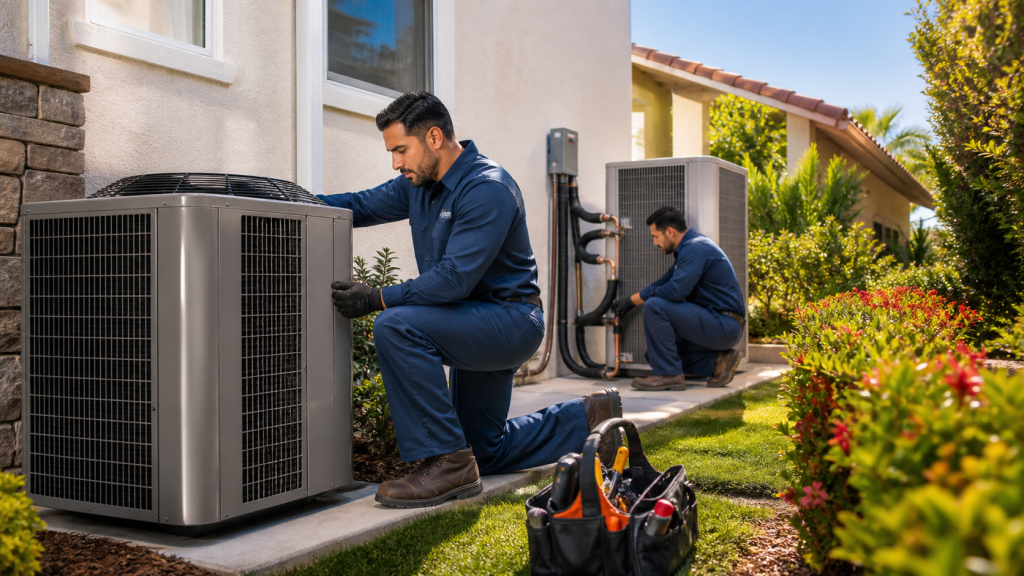
When we come to a property with cooling problems, we look at the full picture. We can:
- Check refrigerant levels and look for leaks
- Inspect coils for dirt, damage, or ice
- Review ductwork and airflow through the system
- Consider the size and age of the equipment compared to the space it is serving
If your AC is older and struggling, we can explain when a repair makes sense and when planning a new HVAC system may be the smarter long-term move.
Strange Noises and Smells You Should Never Ignore
Your AC should not be the loudest thing in the building. Odd sounds are often your first warning that something is going wrong inside the system. Watch out for:
- Grinding or screeching sounds that can point to motor or bearing problems
- Loud banging or clanking that may mean a broken or loose part is moving around
- Rapid or nonstop clicking that can signal electrical control issues
- Hissing that might be tied to a refrigerant leak
Unusual smells are just as important. Burning or hot electrical odors are serious red flags and can mean components are overheating. A strong chemical or sweet smell can suggest a refrigerant leak. Musty odors can signal trapped moisture and microbial growth inside the AC or ductwork.
Some of these issues are safety concerns that should not be pushed off. Electrical problems and refrigerant leaks are not only bad for your AC, they can also be harmful if left alone. This is when emergency AC repair in Los Angeles becomes the right call, especially when the system is still running but clearly not healthy.
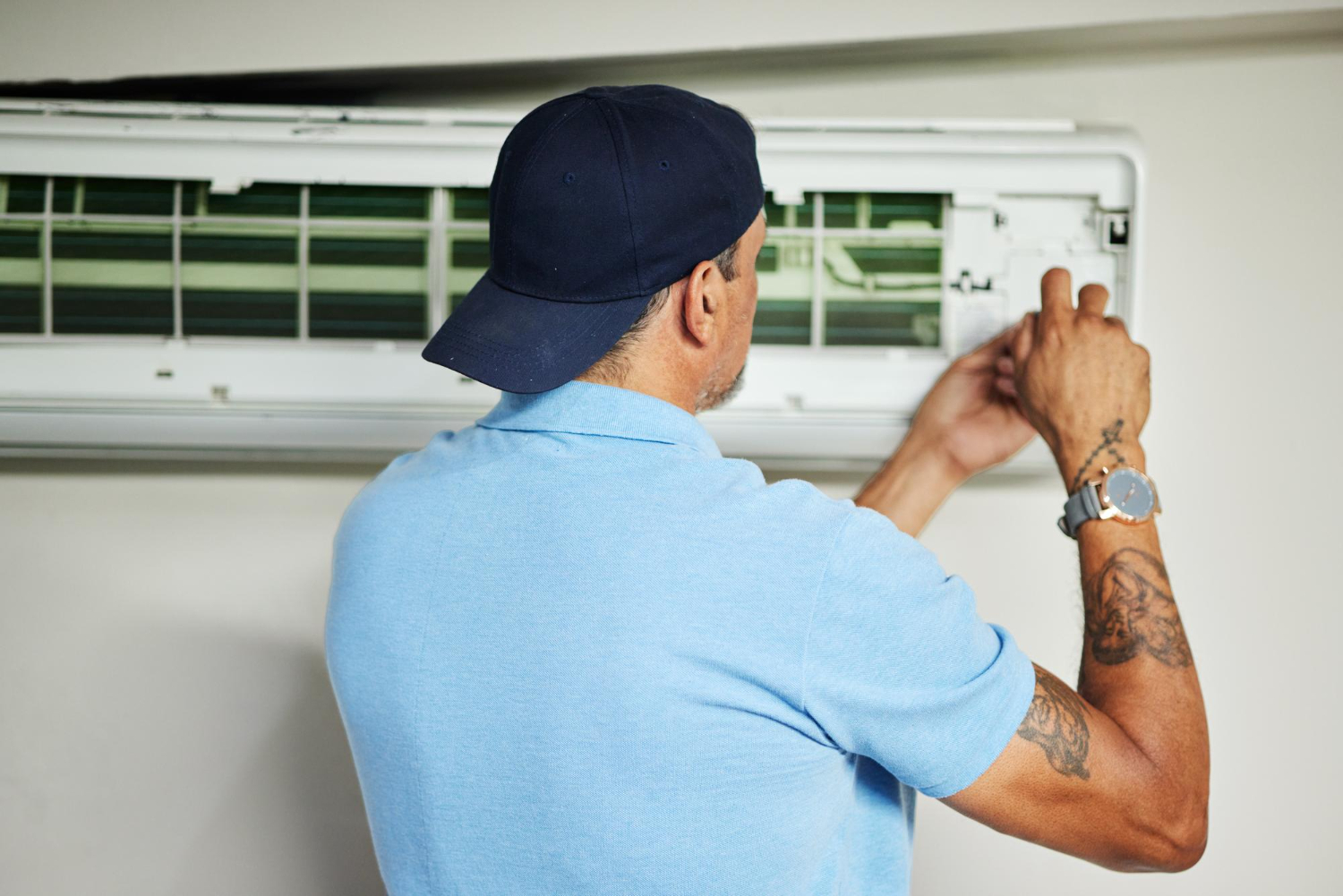
A licensed HVAC contractor can safely open panels, inspect blower motors and electrical connections, and test refrigerant lines the right way. That means chasing the root cause of the problem and giving you a repair plan that goes beyond a quick patch.
Short Cycling, High Bills, and System Stress
Short cycling is when your AC starts, runs for a short time, then shuts off, only to start again a few minutes later. It never seems to settle into a steady rhythm. You may notice:
- Uneven comfort, with rooms going from warm to cool and back again
- Higher energy bills without better cooling
- The outdoor unit and indoor blower starting and stopping all day long
Short cycling is hard on your compressor and blower motor. Every start pulls more power and adds wear. In hot Los Angeles weather, when your AC already works long hours, this pattern can push parts to fail faster. You might even notice tripped breakers or hot electrical panels if the system is struggling.
There are many reasons for short cycling. Common ones include an AC that was sized wrong for the space, restricted airflow, failing capacitors or contactors, dirty condenser coils outside, or a thermostat that is not reading room temperature well. Often, more than one issue is at play.
When we look into short cycling, we do not just swap a part and hope for the best. We check:
- System sizing and installation quality
- Airflow through filters, ducts, and coils
- Electrical components and safety controls
- How the thermostat is placed and how it communicates with the system
From there, we can recommend focused repairs or help you plan a new HVAC system if your current setup is not a good match for the building or is reaching the end of its useful life.
Leaks, Ice, and Electrical Problems That Can’t Wait
Some AC warning signs are easy to see, even if you never open a panel. If you notice ice forming on refrigerant lines or on the outdoor unit, water puddles around the indoor air handler, or breakers that keep tripping when the AC turns on, you are dealing with problems that should not wait.
Ice buildup often ties back to airflow problems and refrigerant issues. A frozen evaporator coil can cause liquid refrigerant to move where it should not go and put heavy strain on the compressor. Water around the indoor unit can mean a blocked condensate drain line or a damaged drain pan. Left alone, that water can run into ceilings, walls, and flooring and can also feed mold.
Electrical problems are just as urgent. Repeated breaker trips are not normal and can be a sign that the system is pulling too much power or that there is a fault in the wiring, motor, or compressor. Continuing to reset the breaker without fixing the cause can damage the equipment and create safety risks.
These kinds of issues are a clear sign you need emergency AC repair in Los Angeles, especially when the system is still needed every day. A trained HVAC team can clear condensate lines, inspect and repair refrigerant circuits, and check wiring and breakers to protect your system and your property. If the damage is severe or the unit is very old, we can also discuss whether a carefully planned replacement is a better long-term choice than repeated emergency fixes.
Restore Comfort To Your Home Now
If your AC has failed and your home is heating up fast, we are ready to help 24/7 with trusted emergency AC repair in Los Angeles. At Best HVAC LA, our technicians arrive quickly, diagnose the issue, and get your system back up and running as soon as possible. Reach out today to schedule immediate service or request a quote through our contact page.