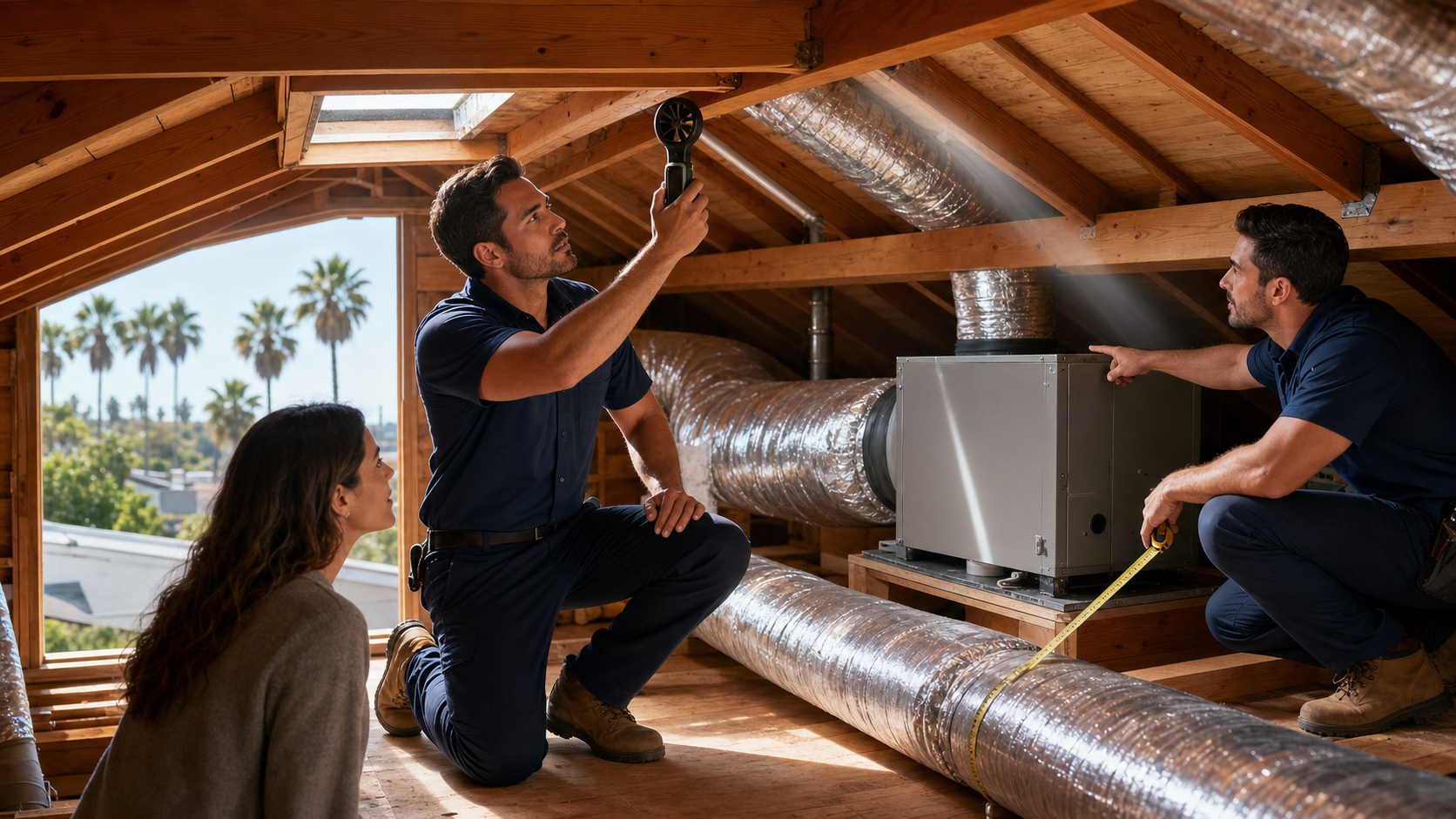
Stop Sweating It Out: Spotting an Undersized HVAC System
An undersized HVAC system is one that simply does not have enough cooling or heating capacity for your home. The system works hard all day, but your rooms still feel sticky and warm, especially when the sun is beating down. In a place like Los Angeles, where long, hot afternoons are part of daily life, that is more than just annoying; it can affect your comfort and your health.
When an HVAC installation in Los Angeles is too small for the space, it struggles to reach the temperature on the thermostat. That extra strain can lead to higher energy bills, more wear on parts, and more frequent breakdowns. Instead of feeling cool and relaxed, you are left wondering why the AC never seems to catch up.
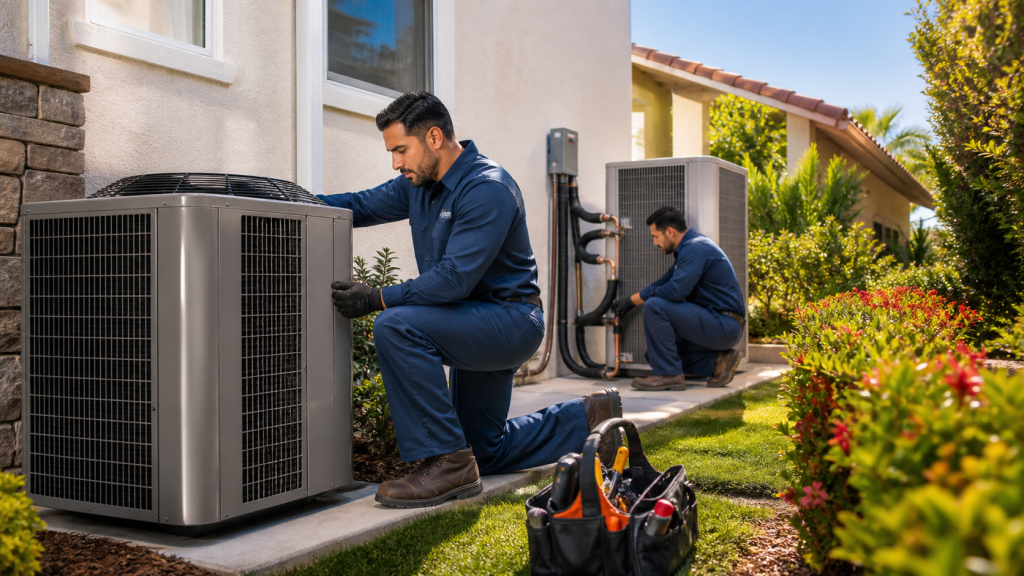
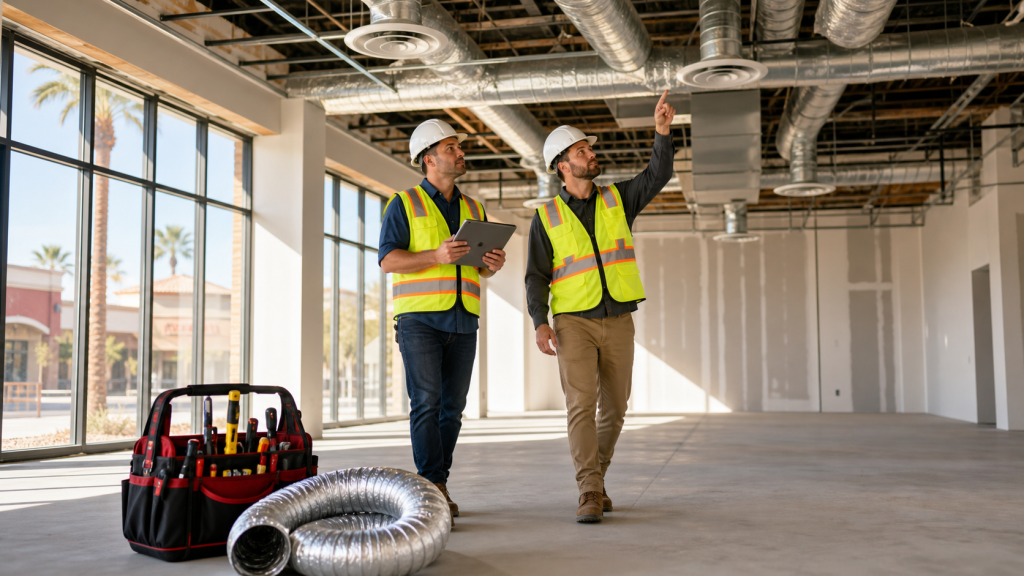
At Best HVAC LA, we focus on getting the sizing right. We work on both residential and commercial systems, and a big part of our job is correcting poor sizing and bad installation choices from the past so your equipment actually matches your home or building.
How HVAC Sizing Really Works in Los Angeles Homes
Many people hear the word “tonnage” and think it has to do with the weight of the HVAC unit. In reality, tonnage is all about cooling capacity, how much heat the system can remove from your home. A bigger number is not always better, but a system that is too small is never okay, because it simply cannot keep up on hot days.
Good sizing is about more than just square footage. Professional load calculations look at how your specific home gains and loses heat. That is why two homes that are the same size can still need different HVAC capacities.
Some of the key things a proper load calculation considers are:
- Square footage and ceiling height
- Insulation levels in walls, the attic, and floors
- Window type, size, and which direction they face
- Number of people in the home and typical use of each room
- Air leakage from gaps, doors, and older windows
- Local microclimate within Los Angeles, Ventura, or Orange County
We use industry-standard Manual J load calculations along with an in-person site assessment. That process helps us avoid both undersized and oversized equipment when planning an HVAC installation in Los Angeles or the surrounding areas.
Warning Signs Your System Is Undersized
Many homeowners first notice a problem when the weather heats up and the system cannot keep the house comfortable. If the system was too small from the start, the signs often show up every afternoon and evening.
Common comfort red flags include:
- Certain rooms never reach the set temperature
- Upstairs areas stay noticeably warmer than downstairs
- The system feels weak or useless on those triple-digit days in July and August
You might also see clues in how long and how hard the system runs. An undersized AC or heat pump may:
- Run almost nonstop during the day
- Struggle to ever shut off, even late at night
- Still fail to reach the temperature on the thermostat
There can be performance issues too, like breakers that trip again and again or indoor coils that freeze up. On top of that, your energy and noise levels can tell a story. If your summer utility bills keep climbing, the indoor blower and outdoor unit run loudly for hours, or you feel strong drafts with only slight temperature change, the system could be undersized or badly installed.
Risks of Living with an Undersized HVAC System
Living with an undersized HVAC system is not just uncomfortable; it can affect you and your home in several ways. Chronic hot spots, poor humidity control, and stuffy rooms can make it harder to relax, concentrate, or get good sleep. That strain is even tougher on seniors, infants, and anyone more sensitive to heat during long warm periods.
Your equipment also pays the price. When a system is too small, it has to run longer and harder than it should. That can lead to:
- Shortened equipment lifespan
- More frequent repair visits
- Higher energy use every month
- A risk of not meeting manufacturer requirements for proper installation
Your home itself can feel the impact. Weak or uneven airflow makes it harder to move air through filters, which can leave indoor air feeling stale. Ductwork that has to carry more air than it was designed for can also suffer, making small leaks worse and adding even more inefficiency on top of the sizing problem.
Fixing the Problem: Repair, Upgrade, or Full Replacement
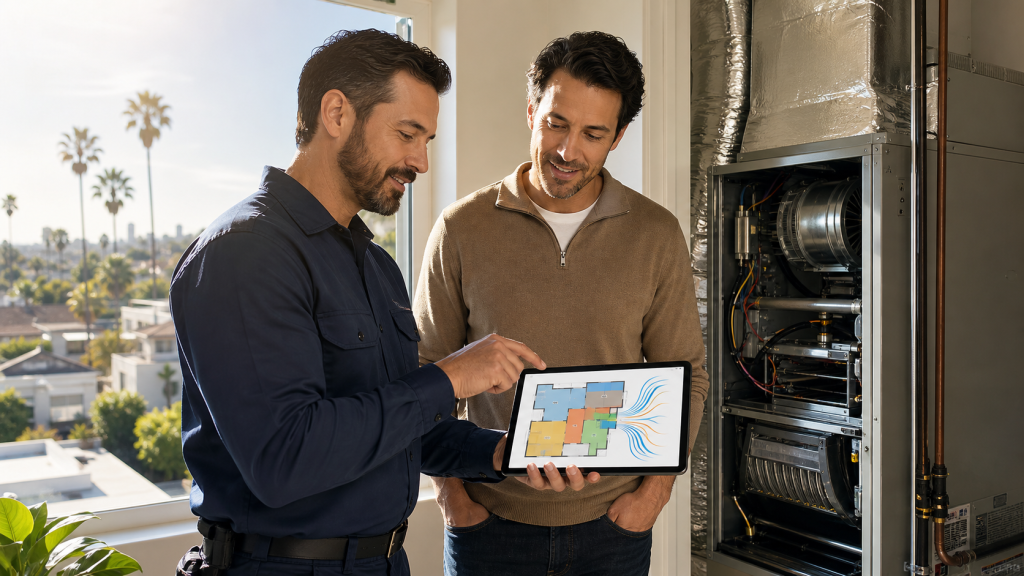
The good news is that an undersized system is a problem that can be solved. The first step is a careful diagnosis. We look at the system capacity, the ductwork, and the actual load needs of the home or building to see whether the problem is truly undersizing, or if poor installation or lack of maintenance is also part of the issue.
Sometimes the system is close to the right size, but the air distribution is poor. In those cases, we may be able to improve comfort without replacing everything by:
- Sealing or resizing ducts
- Adding or relocating return air grilles
- Adjusting airflow and balancing rooms
- Moving the thermostat to a better location
- Performing thorough maintenance so the system can deliver its full capacity
When the equipment is clearly too small or is older with repeated problems, replacement can make more sense. At that point, choosing a modern, properly sized system is key. Depending on the home and layout, options can include high-efficiency central AC units, heat pumps that can cool and heat, or ductless mini-splits for areas where ductwork is limited or hard to modify. The goal is always a system that fits the real needs of the space and the local climate.
Planning a Right-Sized HVAC Installation in Los Angeles
If you are planning a new HVAC installation in Los Angeles, the process should feel thoughtful, not rushed. A professional installer should start with an in-home visit, full load calculations, and a real talk about your comfort goals, how you use each space, and any hot or stuffy rooms you want fixed.
There are several key decisions to go over with your HVAC contractor:
- System type, such as central AC, heat pump, or ductless mini-split
- Capacity, based on Manual J results, not guesswork
- Brand and efficiency ratings, like SEER2, EER, and HSPF
- Duct design, including supply and return locations
- Zoning options for multi-level or larger homes
Seasonal timing matters too. Many people only think about their HVAC when the house feels miserable in mid-summer, but planning before or after the peak rush can make scheduling easier. It can also give you more time to review equipment options, understand possible rebates, and choose a setup that keeps you comfortable while using less energy over the long term.
Staying ahead of the heat with the right system size, smart design, and quality installation can turn your home from a daily struggle into a cool, calm place to recharge.
Get Started With Your Project Today
If you are ready to improve your home’s comfort and efficiency, our team at Best HVAC LA is here to help you plan the right solution. Learn how our expert HVAC installation in Los Angeles can match the needs of your space, budget, and timeline. Reach out to us today through our contact page so we can answer your questions and schedule your service.