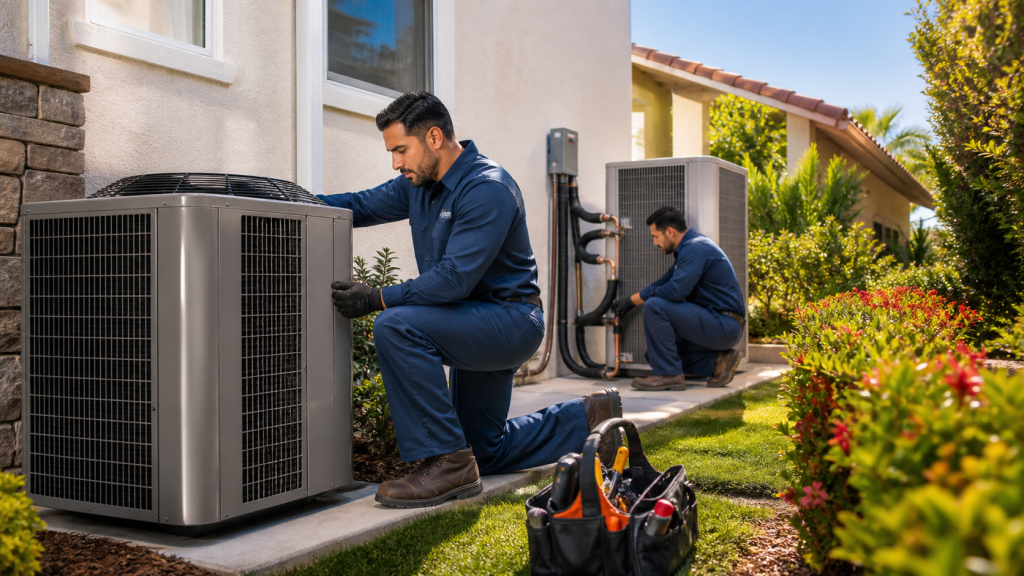

Turn Your Tune-up Report Into a Repair Roadmap
An HVAC tune-up in Anaheim should give you more than a quick cleaning and a thumbs up. A proper tune-up creates a clear report on how your system is really doing, what is wearing out, and what might cause trouble later. That report can become a simple plan for what to fix now and what to plan for down the road.
When you understand that report, you can avoid surprise breakdowns when the heat hits hardest and keep your home or business comfortable without stress. Instead of reacting to problems, you can plan repairs and upgrades over the next 6 to 24 months in a calm, predictable way. That is the real power of a good tune-up report.
We work on systems across Anaheim, Los Angeles, Ventura, and Orange Counties, and we see how much easier life is when people use those reports as a roadmap instead of stuffing them in a drawer. Let us walk through what those notes mean and how to turn them into smart next steps.
What Your HVAC Tune-up Report Is Really Telling You
A good HVAC tune-up in Anaheim usually ends with a multipoint report. It is more than a checklist. It is a snapshot of your system’s health. Common sections include:
- System age and overall condition
- Performance readings
- Refrigerant charge
- Electrical components
- Airflow and ductwork notes
- Wear items like capacitors and contactors
Here are some terms you might see and what they mean in plain language:
- SEER rating: This is a measure of cooling efficiency. Higher SEER usually means the system uses less electricity for the same amount of cooling.
- Static pressure: This is air pressure inside your duct system. If it is too high, your blower works harder, parts wear out faster, and airflow can feel weak at the vents.
- Temperature split: This is the difference between the air going into your AC and the air coming out. It tells us how well the system is cooling. If the split is off, it can point to low refrigerant, dirty coils, or airflow problems.
- Amp draw: This is how much electrical current a motor is pulling. If the number is too high, the motor may be stressed or close to failing.
Most professional reports also flag items with labels like:
- Monitor: The part is working now, but it is older or showing early wear. It might need attention on a future visit.
- Recommend: Fix or adjust this soon for better comfort, efficiency, or reliability. Not an emergency, but worth planning.
- Urgent: Safety or likely failure risk. These are the items that could leave you without cooling or could be unsafe.
Those words are your guide. “Monitor” items shape your long-term plan, “recommend” items shape your next round of work, and “urgent” items shape what should be handled right away.
Using Anaheim Tune-up Findings to Plan Future Repairs
In places like Anaheim and the rest of Southern California, your AC works hard for a big part of the year. Long cooling seasons can speed up certain types of wear you might see in that report:
- Condenser coil corrosion from outdoor exposure
- Fan motor fatigue from running for long hours
- Compressor strain when the system fights high indoor loads for long stretches
- Sun-baked outdoor units with insulation and wiring aging faster
When you look at your tune-up notes, you can sort them into a simple repair plan:
- Immediate safety and reliability
These include urgent electrical issues, failing capacitors, burnt contactors, and anything that risks your system suddenly stopping. These are the items to handle as soon as you can.
- Near-term efficiency improvements
These are recommended items that help your system run easier and cost less to operate, such as coil cleaning, airflow adjustments, or replacing worn motors before they fail.
- Longer-term planning
These come from monitor items and notes on age and efficiency. They give early warning that your system may be reaching the point where a new unit makes more sense than repeat repairs.
We can look at those reports and estimate general timelines, like which items are likely to hold until the cooler months or which ones you should not push off. That helps you:
- Spread out repairs over time
- Plan work for off-peak seasons when schedules are more flexible
- Avoid frantic emergency visits in the hottest part of the year
Instead of guessing, your plan comes right from the condition of your actual system.
Deciding Between Repair and Replacement From Report Data
At some point, every system reaches the “repair or replace” question. Your HVAC tune-up in Anaheim report gives clear clues for that decision. Key pieces we look at include:
- System age compared to normal lifespan
- History of recent repairs noted over multiple tune-ups
- Condition of major parts like the compressor, blower motor, and heat exchanger in combo systems
- Efficiency ratings such as SEER compared to newer equipment options
If your system is older, has had repeat repairs, and the report shows more big-ticket items starting to wear, it may not make sense to keep pouring money into it. On the other hand, if the system is newer and the report mainly lists smaller wear items, repair is often the smart move.
When planning for a possible replacement, it helps to compare:
- The likely cost of upcoming major repairs, such as a compressor or blower motor replacement
- The comfort and energy savings from a newer, higher-efficiency system
- Whether your system is sized right for your home or business
With good report data, equipment choices do not have to be guesswork. The notes on capacity, airflow, and performance help guide decisions on system sizing, brand options, and which type of high-efficiency equipment fits your space and use patterns best.
Planning Energy-Efficient Upgrades From Tune-up Insights
Not every issue in a report is a problem for today. Some items are small clues that your system design or equipment type is not a perfect match. These are great chances to plan future upgrades.
Your report might hint at:
- Undersized or oversized equipment, such as short run times or trouble keeping up in certain rooms
- Older SEER ratings that point to higher utility bills
- Weak airflow to certain areas of the building
- Poor zoning or uneven comfort between floors or rooms
Those findings can point straight to smart upgrades, like:
- A new high-efficiency AC or heat pump system that better matches your space
- A better-paired furnace or air handler in a split system
- Duct changes to fix pressure problems and improve airflow
- Smarter thermostat integration to control schedules and comfort more closely
Planning these improvements before the next major cooling season gives you time to think through choices without pressure. Long-term, this can mean:
- Lower utility bills month after month
- More even comfort across your home or business
- Fewer emergency visits and surprise failures
- Better long-range return on your next HVAC system upgrade
Turn Today’s Tune-up Into Tomorrow’s Comfort Plan
Your HVAC tune-up in Anaheim report is not just a receipt for what was done that day. It is a simple, powerful tool for planning how you will care for your system over the next few years. When you read it with a licensed HVAC expert, you turn scattered notes into a clear plan.
At Best HVAC LA, we take those reports and help homeowners and businesses map out what to fix now, what to budget for later, and when to start thinking about a new system. When tune-ups, clear reporting, and thoughtful planning all work together, you get reliable comfort, more control over costs, and a smoother path to your next upgrade.
Restore Comfort And Efficiency To Your Home Today
If your system has been working overtime or making unusual sounds, now is the right time to schedule an HVAC tune-up in Anaheim. At Best HVAC LA, we carefully inspect, clean, and optimize your equipment so it runs reliably when you need it most. Reach out to our team with a quick message through our contact page, and we will help you find a convenient appointment time. Let us handle the upkeep so you can enjoy consistent comfort and lower energy bills all year.