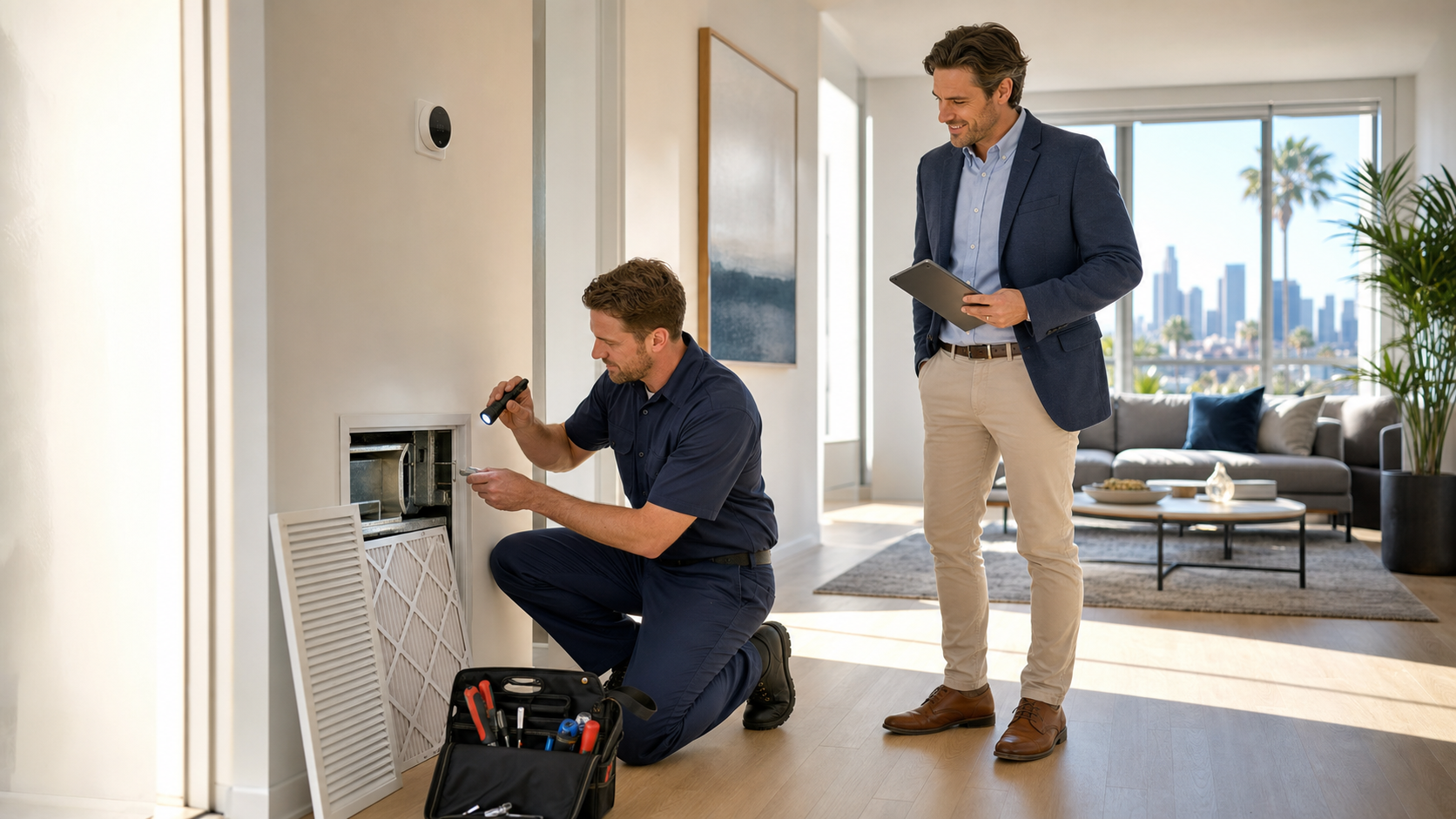
Why HVAC Maintenance Matters in LA Rentals
Reliable HVAC maintenance in Los Angeles rentals is not a luxury; it is part of keeping a property livable. Long heat waves, coastal humidity, and dusty city air can wear systems down faster than many owners expect. When the air stops working in the middle of a busy workweek, both tenants and landlords feel the stress.
We work with rentals across Los Angeles, Ventura, and Orange Counties, so we see this every day. For apartments, single-family homes, and mixed-use buildings, a dependable HVAC plan keeps tenants comfortable and helps protect the building. In this article, we will walk through how HVAC maintenance in Los Angeles rentals should work, who handles what, how to plan the right systems, and how smart care keeps repair headaches to a minimum.
Understanding HVAC Responsibilities in Rental Properties
In most rentals, the landlord is responsible for providing a working HVAC system. That usually means handling installation, replacement, and professional maintenance. Tenants are often expected to use the system correctly and report problems early, but they are not the ones who should be making repairs.
Clear lease language helps a lot here, because it reduces confusion and sets expectations before issues come up. It should spell out things like:
- Who changes filters and how often
- How quickly tenants should report strange noises, smells, or poor airflow
- Rules about blocking vents or tampering with thermostats
- Expectations for keeping doors and windows closed when the AC is running
In a competitive rental market like Los Angeles, owners are also expected to keep units comfortable and safe. That includes keeping HVAC equipment in good working order and up to code, making sure airflow is balanced so some rooms are not always hotter, and fixing repeat issues instead of just “resetting” systems over and over.
A professional HVAC partner can help landlords and property managers by documenting inspections, repairs, and upgrades. This record helps show that the owner is taking the system seriously, which can reduce habitability complaints and cut down on middle-of-the-night emergency calls.
Planning the Right HVAC System for a Rental
Good maintenance starts with a system that is actually right for the building. When we look at a rental, we pay attention to:
- Size and layout of the unit or building
- Number of tenants and how spaces are used
- Insulation quality and window exposure to sun
- Whether it is a single home, duplex, small complex, or mixed-use space
Different types of systems can work well in Los Angeles rentals, and each option tends to fit certain layouts and property types better than others:
- Central split systems: Common in many homes and small buildings, they can provide even cooling when sized and installed correctly.
- Heat pumps: Great for mild climates, they can cool in summer and provide moderate heat when needed, using one system for year-round comfort.
- Ductless mini-splits: Helpful when there is no ductwork or when you want room-by-room control, such as in garages, add-ons, or separate suites.
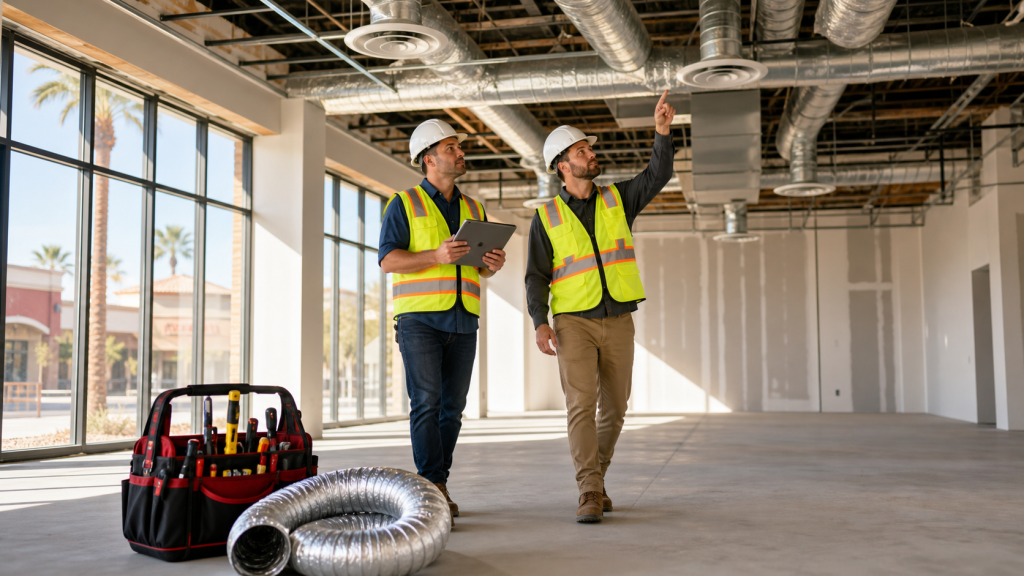
- Packaged rooftop units: Often used in mixed-use or small commercial spaces, they keep equipment out of the way and can be easier to service without entering tenant units.
We help owners pick equipment and brands with a focus on a long lifespan and reliable performance, easy maintenance and access to key parts, the availability of replacement parts to shorten downtime, and comfort for tenants without overcomplicating the setup. When the system is matched to the space, it lasts longer and is easier to keep in good shape.
Key HVAC Maintenance Tasks That Protect Your Investment
Once the right system is in place, regular maintenance keeps it from wearing out before its time. A typical professional visit for a rental HVAC system should include things like:
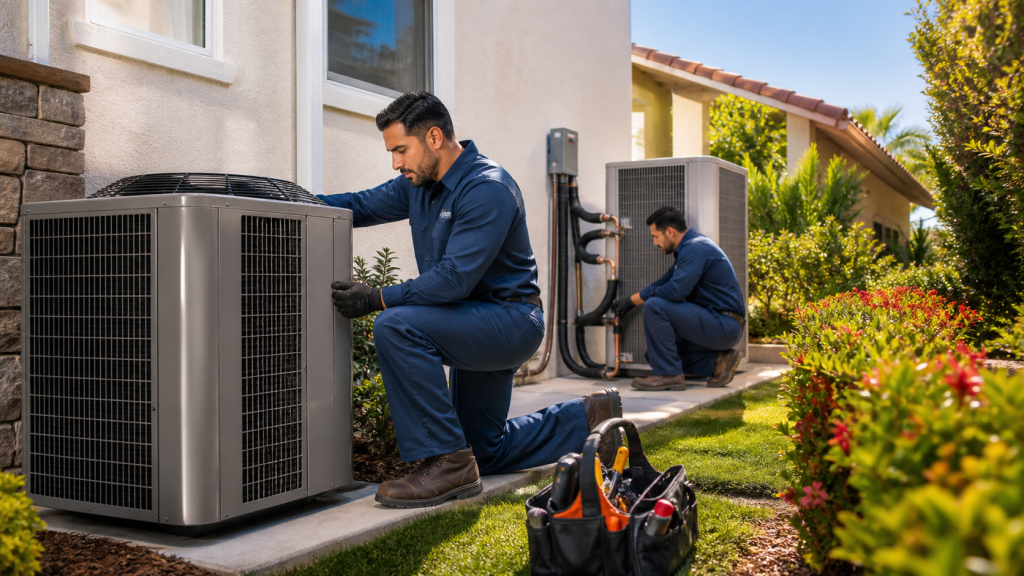
- Inspecting and cleaning indoor and outdoor coils
- Checking blower components and clearing dust and debris
- Testing refrigerant levels and looking for signs of leaks
- Tightening electrical connections and testing safety controls
- Inspecting ductwork where accessible for leaks, dirt, or damage
Filter replacement and thermostat checks fit into the plan too. Some owners prefer to have a technician change filters during visits, while others ask tenants to swap them on a simple schedule. Either way, the tenant’s role should be easy and clear. For example, tenants may be responsible for:
- Changing filters if instructed and able
- Not blocking vents with furniture or boxes
- Reporting issues like odd smells, short cycling, or weak airflow quickly
The more technical items, such as refrigerant handling, electrical checks, and deep cleaning of components, should always stay with trained HVAC technicians. This type of proactive care extends system life, reduces surprise breakdowns during heat waves, and helps avoid early replacement of expensive equipment. For both residential and commercial rentals, a consistent maintenance rhythm protects the property while keeping tenants comfortable.
Energy Efficiency, Comfort, and Tenant Satisfaction
A well-maintained, efficient HVAC system does more than keep people cool. It can also make a rental stand out in a crowded market. Efficient systems and regular tune-ups can:
- Lower utility bills compared to neglected equipment
- Take stress off the system so it runs smoother during long hot periods
- Keep temperatures steadier, which tenants notice and appreciate
There are also simple upgrades that fit into a long-term HVAC plan, such as:
- High-efficiency systems when it is time to replace older units
- Zoning in certain properties so different floors or spaces can be controlled separately
- Programmable or smart thermostats to avoid wasted cooling when spaces are empty
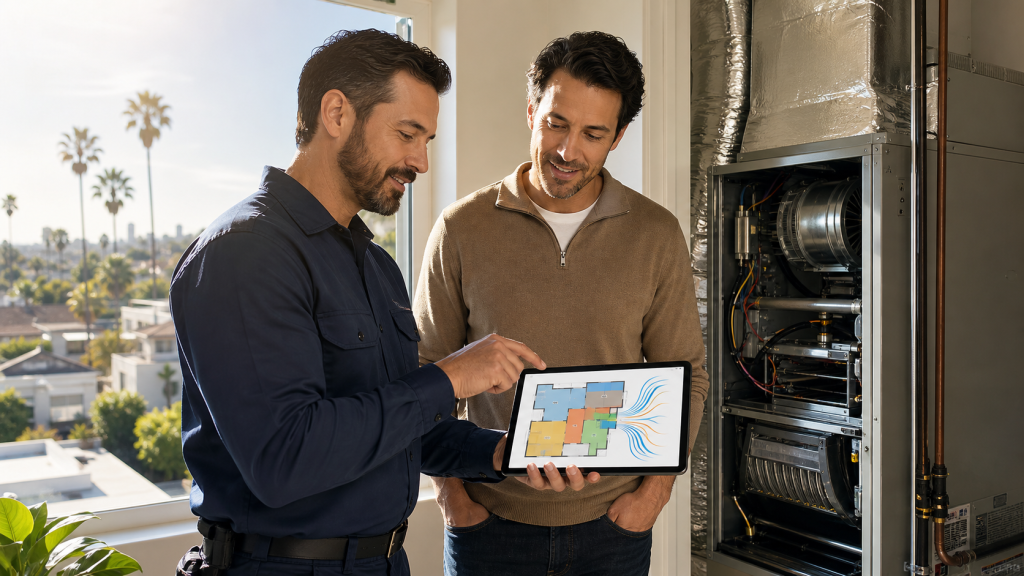
When we review a rental property, we look for easy wins first. That can mean adjusting airflow, improving thermostat placement, or sealing obvious duct leaks. From there, we can suggest step-by-step improvements that match the owner’s budget and long-term plans, instead of pushing big changes all at once.
When to Repair and When to Replace a Rental HVAC System
Every owner asks at some point: do we fix this again, or is it time to replace it? While every property is different, there are some common signs.
Repair may make sense when:
- The unit is fairly new and has a good maintenance history
- The issue is limited to one part, like a capacitor or contactor
- Problems are rare and not tied to deeper issues like poor sizing or heavy corrosion
Replacement may be the smarter move when:
- The system is older and has frequent breakdowns
- Equipment is so outdated that parts are hard to find
- The system uses refrigerants that are being phased out
- The unit is clearly undersized or oversized for the rental, leading to hot spots, short cycling, and ongoing complaints
When we guide owners through this choice, we look at more than just the immediate issue. We think about tenant needs, how often the space is occupied, upcoming peak heat, and long-term operating costs. Planning repairs or replacement at the right time helps limit disruption to tenants and keeps the property running smoothly.
As Best HVAC LA, our goal is to help landlords and property managers turn HVAC from a constant worry into a planned, steady part of caring for their rentals. With good system planning, regular maintenance, and smart repair decisions, HVAC maintenance in Los Angeles becomes a tool to protect both tenant comfort and property value year after year.
Improve Comfort and Efficiency With Professional HVAC Care
If you are ready to keep your system running smoothly through every Los Angeles season, we are here to help. At Best HVAC LA, our technicians provide comprehensive HVAC maintenance in Los Angeles tailored to your home or business. Schedule a visit today so we can inspect, tune, and optimize your equipment before small issues turn into costly repairs. If you have questions or want to book an appointment now, simply contact us.