Choosing the Right HVAC Partner for Anaheim’s Climate
Reliable cooling in Anaheim is not a luxury; it is daily life. Long hot spells, bright sun, and stuffy rooms can make a home uncomfortable fast if your HVAC system is not planned and maintained the right way. Heating still matters on cooler nights, but for most homes, the real test is how well the system handles those long, warm afternoons.
Picking a residential HVAC contractor in Anaheim is about much more than who gives the lowest number on a quote. The choice affects comfort, indoor air quality, safety, and what you pay on your utility bills year after year. A well-planned and well-installed system should keep your home steady and calm, not loud, drafty, or constantly cycling on and off.
We work with homeowners across the area and see how much smoother things go when there is a real plan in place. From system design to installation, repair, and routine maintenance, the right partner helps you get long-term comfort, not short-term band-aids.
Core Credentials Every Anaheim HVAC Contractor Must Have
Before you look at brands or fancy features, you need to know you are working with a qualified company. A residential HVAC contractor in Anaheim should always have proper licensing and insurance.
Key things to look for include:
- State HVAC license in California
- General liability insurance to protect your home
- Workers’ compensation coverage for anyone on your property
- Clear understanding of Anaheim and Orange County codes and permits
Local code knowledge matters because HVAC work touches safety. That includes electrical work, gas lines, venting, and structural details. If a contractor skips permits or ignores local rules, you may end up with unsafe work or headaches when it is time to sell or remodel.
Experience with local home styles is also important. Anaheim has:
- Older homes with limited attic space or older ducts
- Remodels with room additions and “patchwork” duct runs
- Newer homes with tighter construction and different airflow needs
Your contractor should be comfortable with central AC, heat pumps, ductless mini-splits, and gas furnace systems that are common in Southern California. They should be able to explain why one type fits your home better than another.
Professional communication is another strong sign:
- Written estimates that separate labor, equipment, and options
- Clear start and finish expectations
- Respectful crews that keep the site as clean as possible
When these basics are in place, you can focus on what kind of system will actually suit your home.
Planning a New HVAC System for Anaheim Homes
Good planning is where comfort and efficiency start. Proper sizing is more than guessing based on square footage. Your contractor should perform Manual J load calculations to size the system and Manual D calculations to plan ductwork.
Skipping these steps or using “rule of thumb” sizing often leads to trouble:
- An oversized system short cycles, causing uneven temperatures and more wear
- An undersized system struggles, runs nonstop, and still never quite cools the home
- Poorly designed ducts create hot and cool spots, noise, and wasted energy
Next comes choosing the right type of system for your home and lifestyle. Common options include:
- Traditional split systems with a condenser outside and air handler or furnace inside
- High-efficiency heat pumps that provide both cooling and heating
- Ductless mini-splits for additions, converted garages, or homes without full ducts
A thoughtful residential HVAC contractor in Anaheim will ask questions such as:
- How many people are home during the day?
- Do you work from home or spend most time in one or two rooms?
- Which rooms are usually too hot or too stuffy?
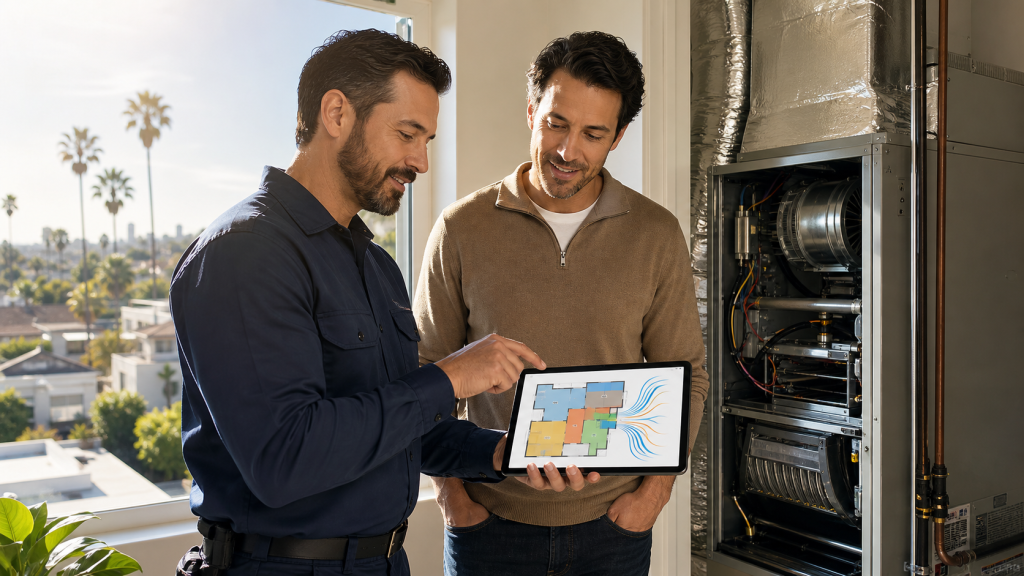
This helps shape equipment choices, duct layouts, and controls so the system fits the way you really live, not just the floor plan on paper.
Planning ahead for comfort zones and future upgrades also pays off. Zoning lets you set different temperatures for areas like upstairs and downstairs, or a separate unit over a garage or addition. It can help:
- Reduce wasted cooling in unused rooms
- Make stubborn rooms more comfortable
- Lower stress on equipment since it can run in smaller sections
It is also smart to design the system with room for future solar, air quality add-ons, or another small zone if you plan to build out later. Good planning now can prevent costly rework later.
Installation Quality and Equipment Choices That Pay Off
Many homeowners focus on brand names first. Brand matters, but installation quality matters more. Even top equipment will underperform if ducts leak, airflow is off, or refrigerant levels are not correct.
A quality-focused contractor will:
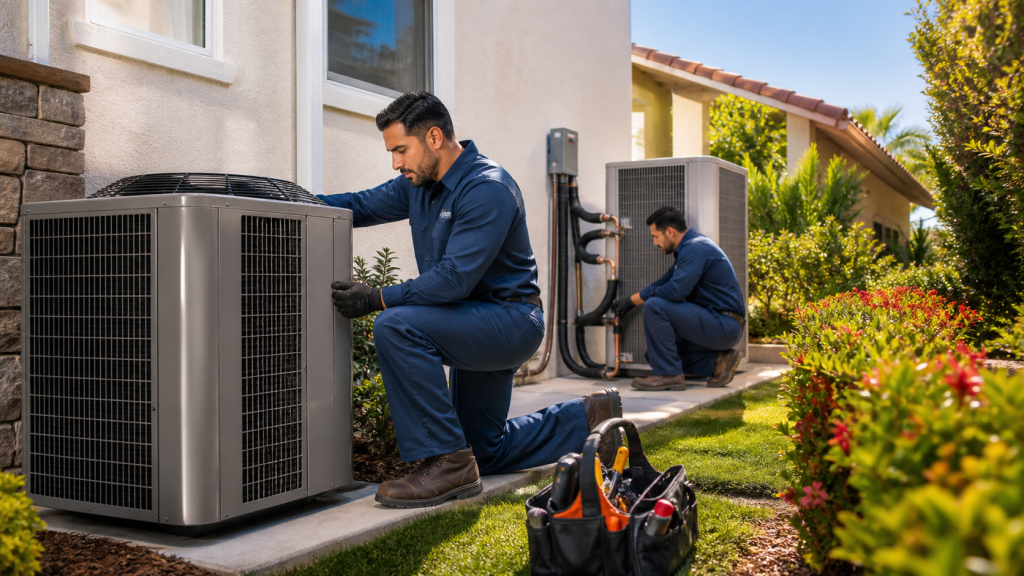
- Seal and size ducts correctly, not just reuse poor existing runs
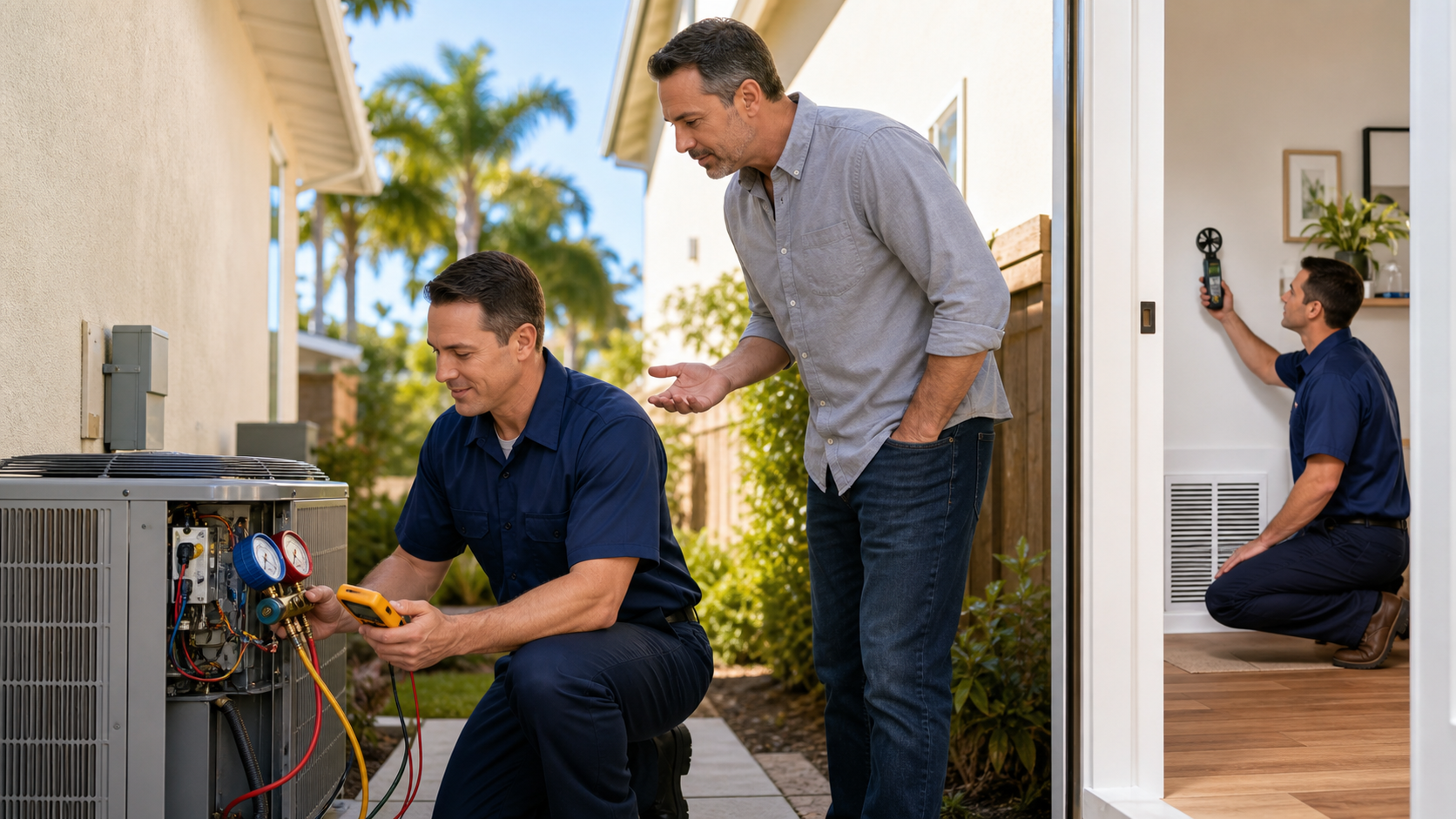
- Verify airflow room by room
- Test and adjust refrigerant charge
- Confirm thermostat settings, safety controls, and drain lines
That kind of careful setup helps the system reach its rated efficiency and keeps comfort steady in real life, not just on the brochure.
When it comes to picking equipment, you will hear terms like SEER2, EER2, AFUE, and HSPF2. In simple terms:
- SEER2 and EER2 rate cooling efficiency; higher numbers usually mean less energy use in hot weather
- AFUE rates gas furnace efficiency, how much fuel becomes usable heat
- HSPF2 rates heating efficiency for heat pumps
Most product lines come in “good, better, best” tiers with different efficiency levels and comfort features. A trusted contractor helps you weigh:
- How long you plan to live in the home
- Your current energy use and comfort issues
- Your interest in advanced features like variable speed fans
Smart thermostats and controls come next. These are not a fix for a poorly installed system, but they can support a good design. Useful features include:
- Scheduling, so the home cools down before you return
- Zoning control from one main interface
- Remote access for trips or long days away
This kind of control can help you stay comfortable through heat waves without having the AC run full blast all day.
When to Repair, When to Replace, and How Maintenance Fits In
At some point, every system needs a decision: keep repairing or replace with something newer and more efficient. Some simple guidelines help.
A residential HVAC contractor in Anaheim will usually look at:
- Age of the system and major components
- How often it breaks down or needs service
- The “50 percent rule” (if a repair runs close to half the cost of a new unit, replacement may be smarter)
- Current comfort levels and noise
As energy rates rise, older, less efficient equipment often costs more to run year after year than a newer high-efficiency system. Even if the old unit can be repaired, it might be more practical to invest in new equipment that cools better using less energy.
Timing also matters. Late summer and early fall can be a smart moment to review how your system handled the hottest months and decide what comes next. This is a good time to:
- Take care of overdue repairs
- Plan a replacement before the next long hot stretch
- Look into any available rebates, incentives, or financing options in your area
Preventive maintenance ties it all together. Twice-yearly tune-ups, generally once before the heavy cooling season and once before lighter heating use, can:
- Catch small issues before they become big repairs
- Keep efficiency closer to factory ratings
- Protect equipment life and help with warranty conditions
- Check safety items like electrical connections and drain lines
Homeowners can handle simple tasks like keeping vents clear, but deeper cleaning, testing, and adjusting should stay with trained technicians. That way, your system is checked as a whole, not just one piece at a time.
Your Next Steps to Hire the Right Anaheim HVAC Expert
Choosing a residential HVAC contractor in Anaheim comes down to a few key points. You want proper licensing and insurance, real planning with correct sizing, careful installation, clear guidance on repair versus replacement, and steady maintenance support. These pieces together have far more impact on comfort and utility bills than chasing the lowest quote or the flashiest equipment ad.
A thoughtful contractor will walk your home, ask questions about how you live, explain options in plain language, and back it up with clean, professional work. With the right partner, your HVAC system becomes one less thing to worry about, and your home stays a calm, cool place to enjoy long Anaheim days and nights.
Get Started With Reliable Home Comfort Upgrades Today
If you are looking for a trusted residential HVAC contractor in Anaheim, we are ready to help you create a more comfortable and efficient home. At Best HVAC LA, our team will walk you through the best options for your space, budget, and long-term comfort goals. Reach out today through our contact page to schedule your consultation or request an estimate. We will respond promptly and help you move forward with the right solution for your home.