
Know When It’s Time to Retire Your Old AC
When the calendar hits May in Southern California, many of us flip our AC to cool for the first time in a while. That moment is the perfect time to ask a simple question: is this system ready for months of hard work, or is it hanging on by a thread? Catching problems now is much easier than dealing with a breakdown on a hot afternoon when everyone is trying to book service at the same time.
Late spring is a smart check-in point. You can see how your system starts, how it sounds, and how fast it cools your home before the real heat shows up. Waiting too long can lead to:
- Sudden breakdowns during a heat wave
- Rising energy bills that creep up month after month
- Rooms that stay warm no matter how low you set the thermostat
- Safety worries with older electrical parts or worn-out components
As an HVAC contractor that works with both homes and businesses across Los Angeles, Ventura, and Orange Counties, we focus on full system planning and professional installation. A big part of that is giving honest advice on when repair makes sense and when AC replacement in Los Angeles is the smarter long-term move.
Clear Signs Your AC Is Near the End
Most AC systems do not fail overnight. They usually give you warning signs long before they quit. Some common performance clues include:
- Rooms that never get quite cool enough
- Weak airflow coming from vents
- Very long run times without hitting the set temperature
- The system turning on and off all the time
These issues can point to worn compressors, tired blower motors, or a system that was never sized correctly for the home. Small repairs might help for a short time, but if the main parts are wearing out, the comfort problems tend to come back.
Cost and reliability are another big signal. If you notice:
- More repair visits each summer
- The same parts failing again and again
- Refrigerant leaks that keep returning
- Parts that are hard to find or no longer made
then it is a sign the system is reaching the end of its useful life. When repair costs start to approach a significant portion of the cost of a new system, many homeowners find that replacement gives better value over the next several years.
Age also matters. Most central AC systems in our climate last around 10 to 15 years when cared for. As equipment gets older, it often runs on outdated technology and lower efficiency ratings. You might notice:
- Higher energy use for the same amount of cooling
- Louder operation than newer systems
- Uneven comfort from room to room
If your system is in that age range and you keep fighting comfort or efficiency problems, it may be time to plan for a new system instead of putting more money into the old one.
Weighing AC Repair vs. Full System Replacement
Deciding between repair and replacement should not be a guess. A licensed HVAC professional will look at several things, such as:
- System age and overall condition
- History of repairs and what failed in the past
- Current efficiency and how hard the system has to work
- Health of key parts like the compressor, coils, and blower assembly
The goal is to see if a major repair will actually give your system more useful years, or if it will just patch things for a short time. For example, a younger system with one clear problem might be a good repair candidate. A very old system with a failing compressor is usually a better candidate for full replacement.
It can help to think in simple scenarios:
- Repair often makes sense if the system is fairly new, problems are rare, and the issue is small and easy to fix.
- Replacement often makes sense if the system is older, you have repeated repairs, comfort is poor, or the fix would be large and costly.
We also look beyond the outdoor unit. A true HVAC evaluation includes:
- Ductwork size, leaks, and layout
- Electrical supply and safety
- Drain lines and how well condensation is handled
- Thermostat wiring and compatibility
Treating the AC as one piece of a larger system helps protect your investment and keeps your home more comfortable and safe in the long run.
Planning a Smart AC Upgrade for Los Angeles Homes
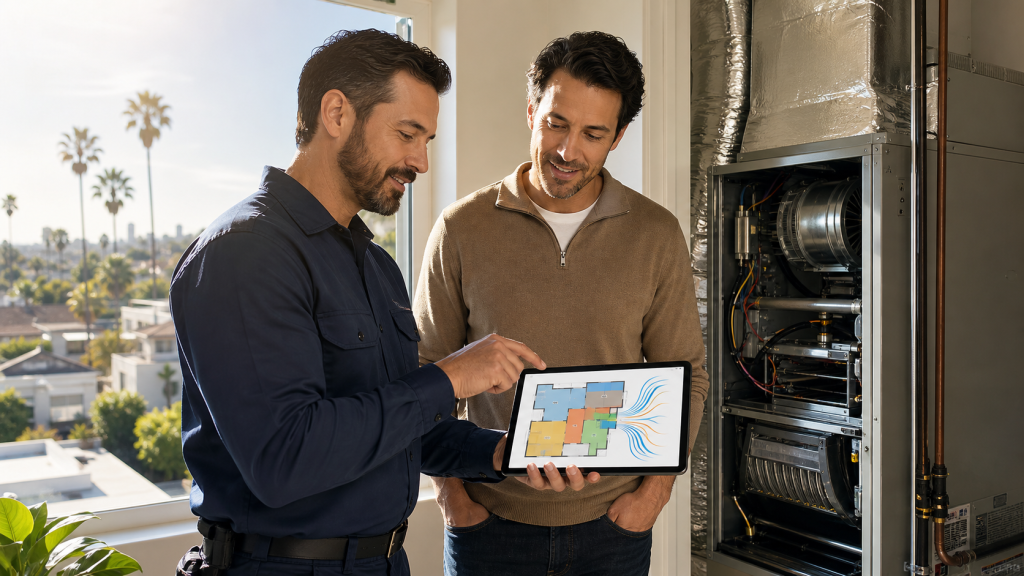
If replacement is the better choice, planning the new system carefully is the next step. The first part is sizing and design. A proper load calculation takes into account:
- Square footage and ceiling heights
- Insulation levels in walls and attic
- Number and type of windows
- How much sun hits different sides of the home
An oversized unit can cool the air quickly but shut off too fast, which can lead to short cycling, extra wear, and sticky, uncomfortable air. An undersized unit has to run almost all the time, which can raise bills and still leave you warm.
There are several types of systems to consider, such as:
- High-efficiency central air conditioners
- Heat pumps that can both cool and heat
- Ductless mini-splits for rooms, garages, or additions
Within those options, you can also look at features like variable-speed compressors and multi-stage systems. These can improve comfort, cut noise, and keep temperatures steadier across the home.
Comfort and control upgrades are another part of a smart plan. Modern thermostats can:
- Adjust temperatures on a schedule
- Help manage zoning if your home is set up for it
- Give you better insight into how your system is running
Thermostats should support the system design, not replace it. The main focus is still on the right equipment, sized and installed correctly, with ductwork that matches the system. That is the heart of reliable HVAC performance.
How Energy Efficiency Impacts Long-Term Savings
When you think about AC replacement in Los Angeles, energy efficiency has a big impact over time. Newer systems are rated with SEER2 numbers, which show how much cooling you get for the electricity used. Higher SEER2 ratings usually mean lower energy use for the same comfort level.
In our area, cooling season is long, and energy rates can be a big part of the monthly budget. Upgrading from an older, low-efficiency system to a modern high-efficiency unit can:
- Reduce how often the system has to run
- Lower monthly cooling costs
- Keep temperatures more stable from room to room
Many homeowners find that the energy savings help balance out the higher upfront cost of a better system over the years they own it.
Installation quality is just as important as the equipment itself. Even the best-rated unit will struggle if:
- Ducts are leaky, undersized, or poorly routed
- Airflow is not set correctly
- Refrigerant levels are not charged properly
A careful installation that checks airflow, duct condition, and system balance helps the AC live up to its rating and can also support manufacturer warranties. That is how you get the comfort, reliability, and savings you are paying for, especially during long, hot stretches when you need cooling the most.
Improve Comfort and Efficiency With Expert AC Replacement
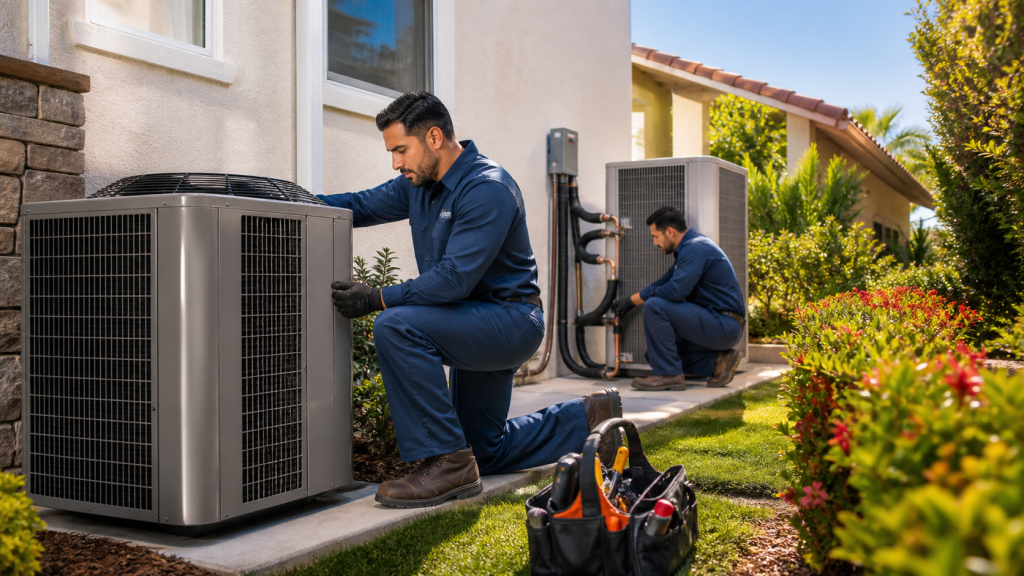
If your cooling system is struggling to keep up, our team at Best HVAC LA can help you upgrade with professional AC replacement in Los Angeles. We will assess your home’s needs, recommend energy-efficient options, and complete the installation with careful attention to detail. To schedule your appointment or ask questions about your options, simply contact us today.