Is Your Los Angeles HVAC System Too Small to Keep Up?
When spring hits Los Angeles, Ventura, and Orange counties, many people turn their AC on more often and start to notice little comfort problems. Rooms feel stuffy in the afternoon, the system runs longer, and the thermostat seems stuck a few degrees higher than you want. Those early signs often show up before the real heat and long sunny days arrive.
In HVAC terms, an “undersized” system is one that does not have enough capacity to handle the cooling load of your home or building. That usually comes from poor planning or no proper load calculation when the equipment was chosen.
An undersized system struggles to cool, costs more to run, and tends to fail sooner than it should. In this article, we will walk through the key warning signs, why it is risky to keep living or working with an undersized unit, and how professional HVAC services in Los Angeles can help you get a system that is sized and installed the right way.
Classic Comfort Red Flags of an Undersized System
The first clues are usually comfort issues. Things just do not feel right indoors, even when the system is on for hours.
Some common red flags include:
- Big temperature differences from room to room
- Areas upstairs that never cool down
- West-facing rooms that stay hot late into the day
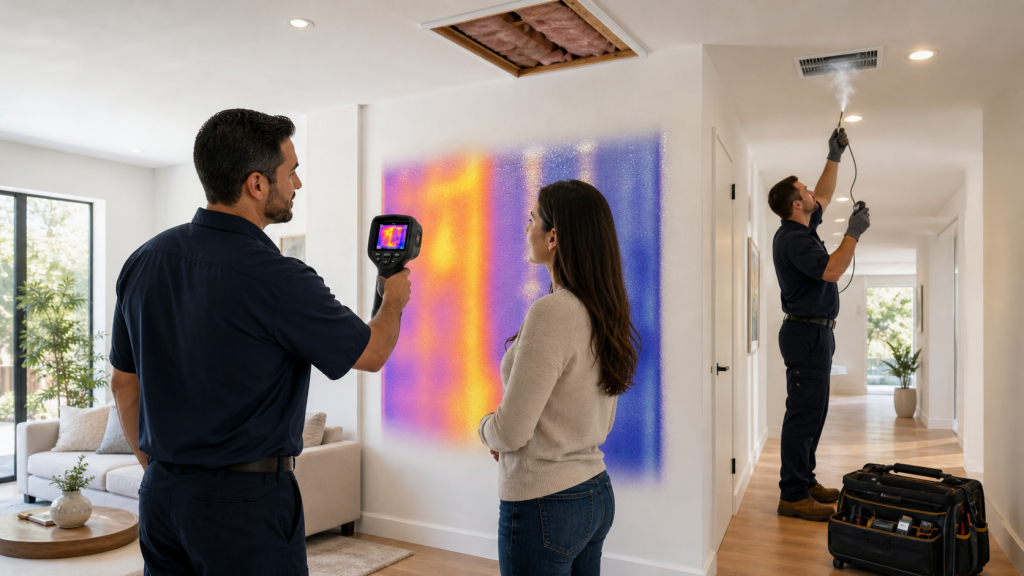
Hot and cold spots are very common in homes and small commercial spaces. Duct design and airflow problems can be part of the story, but when certain rooms are always warmer, especially on sunny days and during heat waves, it often points to a system that does not have enough capacity.
Another classic sign is a system that runs nonstop but never quite reaches the set temperature. You might see this on late spring nights, when the AC seems to run almost all evening and still cannot pull the indoor temperature to where you set the thermostat. That constant operation puts heavy strain on:
- Compressors
- Blower motors
- Electrical parts like capacitors
In our local climate, mornings may start mild, but temperatures can climb quickly in the afternoon. If your AC seems fine on cooler days but fails as soon as outdoor temperatures jump into the higher range, the equipment is probably undersized for your real load. A properly sized system should keep you reasonably comfortable, even during the hotter days we often get.
Skyrocketing Energy Bills and Moisture Problems
Comfort is just one part of the story. Your utility bills and indoor air quality also tell you a lot about sizing.
With an undersized system, it is common to see:
- Higher electric bills without better comfort
- Longer run times on the thermostat display
- No real change in indoor temperature, even after hours of operation
Since the system is working harder and longer, it pulls more power but still struggles to cool the space. Comparing your bills from recent warm months to past seasons or to what neighbors in similar homes pay can give you a quick reality check, even if it is not exact.
Moisture is another big clue. A struggling system often does not remove humidity as well during long, warm days. You may notice:
- A clammy or sticky feeling on your skin
- Musty odors in certain rooms
- Light condensation on windows or cooler surfaces
- Discomfort even when the thermostat looks “normal”
When the unit is running constantly and still not keeping up, the air can feel thick and stuffy instead of cool and crisp.
Noise and drafts are part of this picture too. If you hear the fan running almost all the time, feel strong drafts from certain vents, and find yourself bumping the thermostat lower and lower just to feel okay, there is a good chance the system is undersized rather than just “getting old.” These issues often get worse as we move from spring into the hottest part of the year.
How Undersized Systems Shorten Equipment Life
An undersized HVAC system is like driving a small car up a steep hill all day in a low gear. It might move, but it is not happy about it.
Continuous or near-continuous operation can:
- Overheat compressors
- Stress blower motors and fans
- Wear out contactors and other electrical parts faster
For many residential and light commercial systems in our area, this kind of strain can lead to units failing years earlier than they should. You may notice that you are calling for service more often, or that the same parts seem to fail again and again.
Common repeat problems include:
- Frequent capacitor replacements
- Blower motor issues
- Ongoing refrigerant complaints
Even high-end equipment will struggle if it is the wrong size for the load. At some point, paying for repair after repair, especially during spring and summer, is a sign that the real problem might be sizing, not just bad luck with parts. When that happens, it is usually smarter to plan for a correctly sized replacement rather than keep fixing a system that is working far beyond what it was designed to handle.
Getting the Right Size with Professional HVAC Planning
It can be tempting to think, “The old unit was too small, so I’ll just go bigger this time,” or “The last system size was fine, let’s match it.” Both approaches often create long-term performance issues.
Oversized equipment can cause:
- Short cycling, where the system starts and stops too often
- Poor humidity control
- Extra noise and drafts
- Wasted energy and uneven comfort
Simply picking the same tonnage as the old system also ignores changes in your home or building. New windows, added insulation, a converted garage, or a change in how many people use the space all affect the load.
A proper load calculation, often called Manual J in our industry, looks at details like:
- Square footage and ceiling height
- Insulation levels and air leakage
- Orientation of the home and window size and type
- Occupancy, lighting, and equipment that gives off heat
Local climate and building styles in Southern California matter too. The way sun hits West-facing walls, the effect of afternoon heat, and common building materials all play a part in correct sizing and design.
Once the load is known, the next step is choosing the right type of system. Options can include:
- Central split systems
- Heat pumps
- Packaged rooftop units
- Zoning for multi-story or mixed-use spaces
Efficiency ratings like SEER2 help compare how different units use energy. A professional can walk you through models and brands that balance upfront cost, long-term savings, and real comfort for your specific home or business in our area.
Plan Your Next Step Before Summer Heat Arrives
If you recognize several of these warning signs, it is a good idea to have a professional look at your system before the hottest days hit. A thorough inspection can include checking the size of your current unit, looking at duct layout and airflow, reviewing thermostat placement, and testing overall performance.
From there, a licensed HVAC contractor can help you decide whether you need:
- Duct modifications or sealing
- System balancing and airflow adjustments
- A full replacement with a new, correctly sized system
Getting the design, sizing, and installation right protects your comfort, helps control energy use, and supports longer equipment life. At Best HVAC LA, we focus on proper planning and right-sized solutions for residential and commercial clients across Los Angeles, Ventura, and Orange counties, so your space stays comfortable through the long, sunny seasons ahead.
Improve Your Home Comfort With Expert HVAC Care
If your system is struggling to keep up, our team at Best HVAC LA is ready to help you get reliable comfort back in every room. Explore our professional HVAC services in Los Angeles to upgrade inefficient equipment and reduce surprise breakdowns.
We will walk you through your options, explain what makes the most sense for your home, and complete the work on a schedule that fits your life. Have questions or need a quick estimate? Just contact us and we will respond promptly.