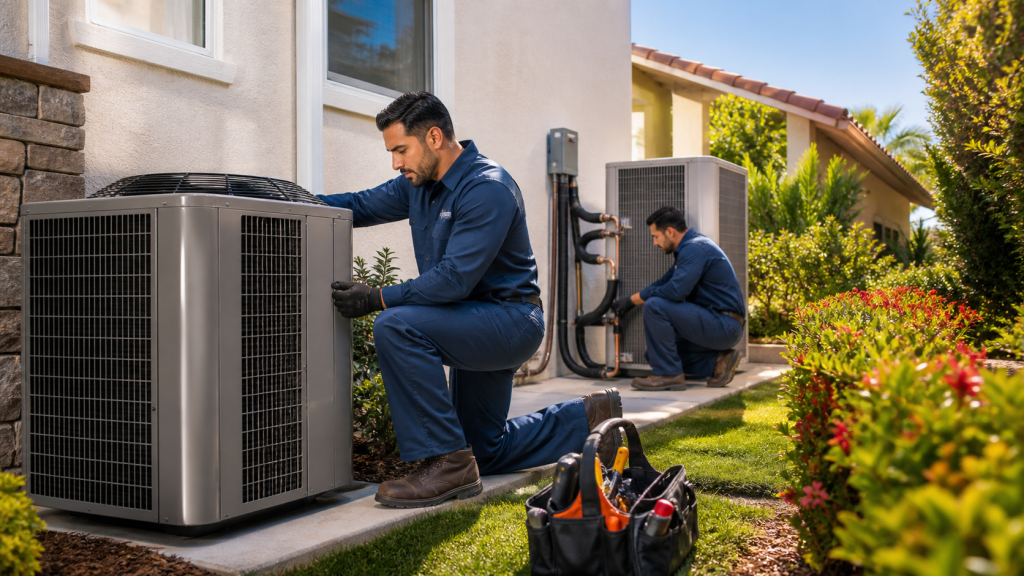


Living in the San Fernando Valley means dealing with some of the hottest summer temperatures in Southern California. It is not unusual for temperatures to climb into the triple digits, pushing air conditioning systems to run for long hours just to keep homes livable and comfortable. With AC playing such a big role in daily life, advice about how to use and maintain it spreads quickly.
The problem is that not all of that advice is accurate.
Many homeowners across the San Fernando Valley follow common air conditioning myths without realizing it. These misconceptions can lead to higher energy costs, uneven cooling, and avoidable wear on HVAC systems. Understanding what is fact and what is fiction can make a big difference in how your system performs.
Let’s take a closer look at the air conditioning myths that Valley homeowners should stop believing.
Perfect topic. Here’s a long, engaging, human-written blog about A/C myths, clearly connected to homeowners in the San Fernando Valley. It’s educational, relatable, and HVAC-focused without sounding preachy.
Myth 1: Turning the Thermostat Way Down Cools Your Home Faster
This is one of the most common myths, especially during extreme Valley heat. Setting your thermostat to the lowest possible temperature does not cool your home faster. Your air conditioner works at the same speed regardless of the temperature setting.
When you set it too low, the system simply runs longer, which increases energy usage and strain on your AC. A steady, reasonable setting cools your home just as effectively without wasting energy.
Myth 2: Bigger AC Systems Are Always Better
Many homeowners think a larger air conditioner will cool their home more efficiently, especially in hot San Fernando Valley neighborhoods. In reality, an oversized AC system can cause more problems than it solves.
Bigger systems cycle on and off too quickly, leading to uneven cooling, higher humidity, and unnecessary wear on components. Proper sizing is essential for comfort and efficiency. A professional HVAC evaluation ensures your system is matched to your home, not just the outdoor temperature.
Myth 3: AC Maintenance Is Only Needed When Something Breaks
Waiting until your system breaks down is a costly mistake, especially during peak summer in the Valley. Regular maintenance keeps your AC running efficiently, reduces the risk of sudden failures, and extends system lifespan.
Routine service includes cleaning, inspections, and small adjustments that prevent bigger problems later. Skipping maintenance often leads to higher repair costs and shorter equipment life.
Myth 4: Closing Vents in Unused Rooms Saves Energy
It sounds logical, but closing vents can actually increase pressure inside your duct system. This can reduce efficiency, strain your AC, and even cause duct leaks over time.
Most HVAC systems in San Fernando Valley homes are designed to cool the entire space evenly. Closing vents often disrupts airflow and does not provide the energy savings people expect.
Myth 5: Leaving the AC On All Day Saves More Energy Than Turning It Off
Some homeowners believe keeping the AC running all day prevents it from working harder later. In reality, cooling an empty home wastes energy.
Using a programmable or smart thermostat allows you to raise the temperature while you are away and cool the home before you return. This approach is far more efficient, especially with the long, hot days common in the San Fernando Valley.
Myth 6: Ceiling Fans Lower the Temperature
Ceiling fans do not actually cool the air. They create airflow that makes you feel cooler by helping sweat evaporate faster. Fans are great for comfort, but they should be turned off when no one is in the room.
Using fans alongside your AC can allow you to raise the thermostat slightly without sacrificing comfort, which can help lower energy costs.
Myth 7: Air Filters Only Need to Be Changed Once a Year
In dusty, high-traffic areas like the San Fernando Valley, air filters get dirty much faster. Waiting a full year to replace them restricts airflow and forces your system to work harder.
Most homes should replace filters every 1 to 3 months during heavy AC use. Clean filters improve airflow, air quality, and system efficiency.
Myth 8: Newer Homes Do Not Need HVAC Inspections
Even newer homes in the Valley can have HVAC issues. Poor duct sealing, incorrect system sizing, or builder-grade components can all impact performance.
Regular inspections help ensure your system is operating efficiently and can catch small issues before they turn into major problems.
Myth 9: AC Repairs Can Always Be Put Off Until Later
Small AC issues rarely fix themselves. Minor problems often become major repairs if ignored, especially during extended heat waves.
If your system is making unusual noises, struggling to cool, or running constantly, addressing the issue early can save money and prevent breakdowns during the hottest days of the year.
The Truth About AC Care in the San Fernando Valley
Living in the San Fernando Valley means your air conditioning system works harder than in many other areas of Southern California. Believing common AC myths can lead to higher energy bills, poor comfort, and shorter system lifespan.
Understanding how your HVAC system actually works helps you make smarter decisions, protect your investment, and stay comfortable even during the hottest summers.
Get Reliable HVAC Advice From Local Professionals
Every home is different, and Valley heat requires HVAC solutions that are properly sized and maintained. A local HVAC professional understands the unique challenges of the San Fernando Valley climate and can help you separate fact from fiction.
If you want your AC system to perform efficiently and reliably, start by letting go of these common myths and focus on proven HVAC best practices.