Breathe Easier This Spring Inside Your Los Angeles Home
Spring in Los Angeles is beautiful, but it can be rough on your nose, throat, and eyes. Pollen is in the air, cars are on the road, and dust never takes a day off. Many people blame every sneeze on the outdoors, but a lot of those allergy triggers are actually hanging out inside the home.
Most of us spend much more time indoors than outside, especially at home or at work. If the air inside is full of pollen, dust, and fumes, your body never gets a break. That is where indoor air quality in Los Angeles really matters. When the air inside is cleaner, your allergy symptoms often calm down, even when spring is in full swing.
In this article, we will walk through why spring allergies feel so intense in LA, how indoor air plays a big role, and what HVAC maintenance and upgrades can do to help. We will also share simple home habits that support cleaner air so you can enjoy spring instead of dreading it.
Why Spring Allergies Feel Worse in Los Angeles
Los Angeles has its own special mix of allergy triggers. Plants and trees can bloom for long stretches, and many yards and streets are packed with grass, flowers, and shrubs. On top of that, we deal with smog, dust, and residue in the air from cars and other traffic.
When spring hits, people start opening windows more often. Fresh air feels nice, but it also lets in pollen, dust, and pollution. Then, when the AC or heating kicks back on, all those tiny particles can get pulled into the system and pushed through every room.
Inside the home, other triggers can build up, such as:
- Pet dander from cats and dogs
- Dust mites living in carpets, bedding, and upholstery
- Mold spores in damp bathrooms, kitchens, or closets
- Fumes and vapors from cleaners, candles, and air fresheners
Many homes and buildings are sealed up to keep cool air in and hot air out. That is good for comfort, but not so good when there is no good way for dirty air to escape. All those particles and gases can sit in the air you breathe all day.
This mix of indoor and outdoor triggers can lead to:
- Sinus pressure and stuffy nose
- Headaches and brain fog
- Itchy, watery eyes
- Coughing or wheezing for people with asthma
So even when the pollen count outside does not seem extreme, your body may feel like it is under attack because of what is floating around indoors.
How Indoor Air Quality in Los Angeles Impacts Allergies
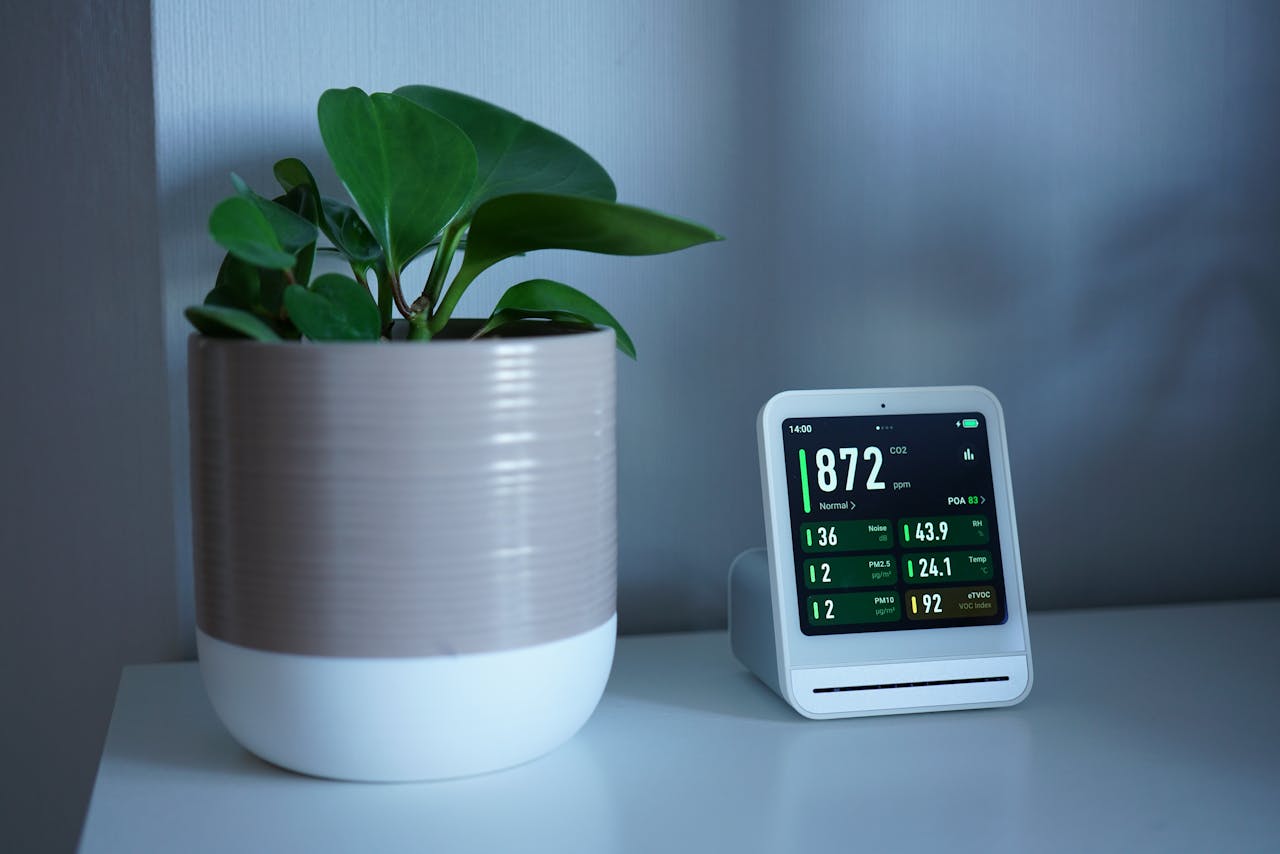
Indoor air quality is simply how clean and healthy the air is inside your home or business. Three big things affect it: particles, gases, and humidity.
Particles are tiny bits like dust, dander, and pollen. Gases can come from cleaning sprays, paints, air fresheners, and even cooking. When these build up, your body can react with sneezing, coughing, and irritation.
Your HVAC system plays a big role in this. When ductwork is dirty, filters are clogged, or equipment is not maintained, the system can spread allergens instead of trapping them. Every time the fan runs, fine dust, pet hair, and pollen that settled in the ducts can get blown right back into the rooms.
Humidity also matters:
- If humidity is too high, it can support mold growth and dust mites.
- If humidity is too low, it can dry out your nose and throat, making them more sensitive.
In a dense, busy area like Los Angeles, outside pollution is another piece of the puzzle. Ozone, vehicle exhaust, and fine particles can leak in through doors, windows, and tiny cracks. Without the right filtration and ventilation, these pollutants do not just pass through; they can stay inside and keep circling through the air you breathe.
Spring HVAC Maintenance That Cuts Allergy Symptoms
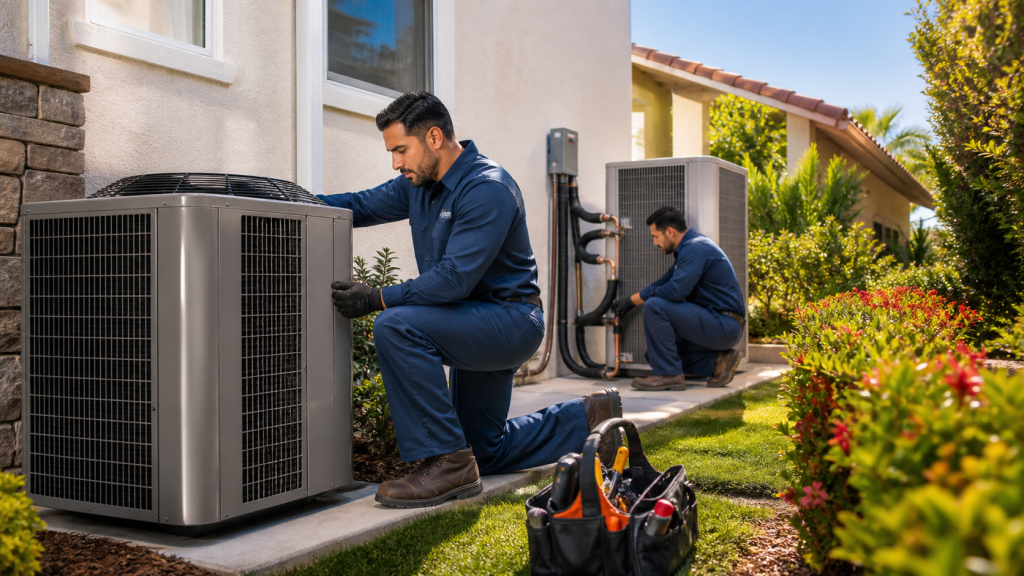
Late winter and early spring are smart times to tune up your HVAC system before you run your AC more often. Getting ahead of the season helps your system push cleaner air, not dusty air.
Key maintenance tasks that help allergy sufferers include:
- Replacing old filters with higher quality ones that fit your system
- Cleaning indoor and outdoor coils so the system can move air more cleanly
- Checking blower components and fans for dirt buildup
- Inspecting accessible ductwork for dust, debris, or visible issues
A big step is upgrading to better filtration. Filters are rated by MERV, which shows how small the particles they can catch are. The goal is to match a higher MERV filter to your existing equipment so it captures more pollen and pet dander without limiting airflow.
During a spring tune-up focused on indoor air quality, you can expect a checklist that may include:
- Testing airflow and checking for rooms that feel stuffy
- Reviewing filter options that fit your system and allergy needs
- Looking at ducts where possible for dust or signs of leaks
- Confirming thermostat settings that balance comfort and efficiency
Keeping your HVAC equipment clean and tuned does more than cool the house, it helps keep allergens from building up and being recirculated again and again.
Smart Solutions to Clean and Refresh Your Indoor Air
For many homes and businesses, regular maintenance is the first step. The next step is adding indoor air quality solutions that work with your HVAC system to clean the air more deeply.
Some common options include:
- Whole-home air purifiers that treat all the air moving through your system
- High-efficiency media filters that trap finer particles than standard filters
- UV or UV LED air treatment to help address certain contaminants on coils or in the air stream
- Energy recovery ventilators that bring in fresh air while sending stale indoor air out
Whole-home systems have a big advantage over small plug-in units. Instead of cleaning the air in just one corner of a room, they work with your central system to treat air throughout the home. For people with allergies or asthma, that can make daily life more comfortable.
Humidity control is another useful tool. In some LA neighborhoods closer to the coast, air can feel more damp. In other areas, it can feel drier. Whole-home dehumidifiers or humidifiers can help keep levels in a more comfortable range so mold, dust mites, and irritation are less of a problem.
There are also simple habits that work alongside HVAC solutions:
- Vacuum often with a vacuum that has a HEPA filter
- Wash bedding and pillow covers in hot water on a regular schedule
- Cut back on strong scented candles, sprays, and plug-in fragrances
- Run exhaust fans while cooking and showering to move moist, smoky air outside
These steps work together so your HVAC system is not fighting against everyday habits.
Create Your Spring Allergy Defense Plan with Indoor Air in Mind
Spring in Los Angeles does not have to mean constant sneezing, a scratchy throat, and tired eyes. When you focus on indoor air quality in Los Angeles, you give your body a place to rest and recover from all the pollen and pollution outside.
A simple plan can look like this: notice which rooms feel stuffy or seem to trigger your symptoms, schedule professional HVAC maintenance before heavy AC use, talk through filter and purifier options that match your home and health needs, and set reminders to change filters on time. With the right mix of maintenance, equipment, and habits, your home or business can feel fresher, more comfortable, and easier to breathe in all spring long.
Protect Your Home With Cleaner, Healthier Air Today
If you are concerned about what you and your family are breathing, we are ready to help assess and improve your indoor air quality in Los Angeles. Our technicians can evaluate your current system, recommend targeted solutions, and install upgrades that actually make a difference. Reach out to Best HVAC LA so we can tailor an air quality plan that fits your home, budget, and comfort needs. Let us help you breathe easier all year long.