Protect Comfort and Compliance in Your Rental Property
HVAC installation in Los Angeles rentals is not the same as adding a new system in your own home. There are more rules to follow, more people to keep happy, and far less room for delays. Landlords have to think about building codes, tenant rights, and shared walls, not just staying cool.
Late May is when the heat starts to build and AC failures suddenly feel urgent. Tenants turn on systems that have been resting, weak units get pushed hard, and any downtime can lead to hot, uncomfortable units. This is also when some people turn to unsafe plug-in coolers or DIY setups that are not meant for long-term use.
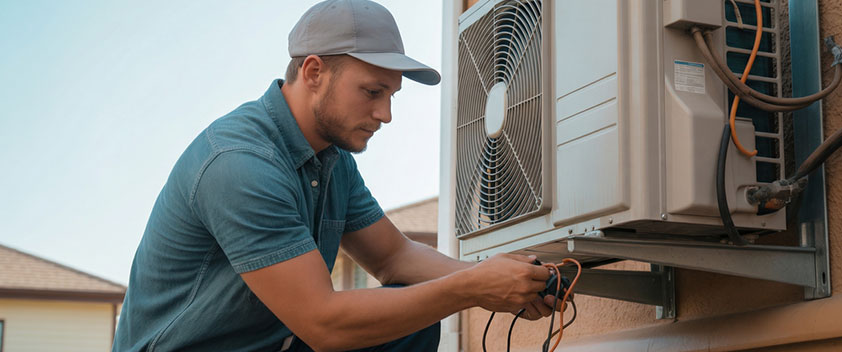
As a local HVAC contractor, we work with rentals every day, so we are used to permits, HOA rules, tight schedules, and access limits. Our job is to keep installs safe, legal, and as quiet and quick as possible so both landlords and tenants can breathe easier.
Who Decides on HVAC in a Rental: Landlord vs. Tenant
In most rentals, the landlord is the one responsible for making sure the unit has safe, working heating and cooling equipment when that equipment is part of the lease. If the property came with central AC or a wall heater, the landlord is usually in charge of keeping that system in good working condition or replacing it when it fails.
Tenants have an important role too. They are the ones living with the system every day, so they need to:
- Report strange noises, weak airflow, or leaks right away
- Avoid trying to repair or move equipment on their own
- Use the system as intended, without blocking vents or changing settings in ways that strain the equipment
What tenants should not do is approve a new HVAC installation or big change on their own. Replacing a window unit with a mini-split, cutting new wall openings, or adding new ductwork all affect the structure and the electrical system. Those choices belong to the property owner, and they need to be in writing.
Common rental situations we see include:
- Old wall heaters that no longer keep up with the space
- Noisy window units in bedrooms that are too weak for summer afternoons
- Tenants asking for central air in units that only have heat
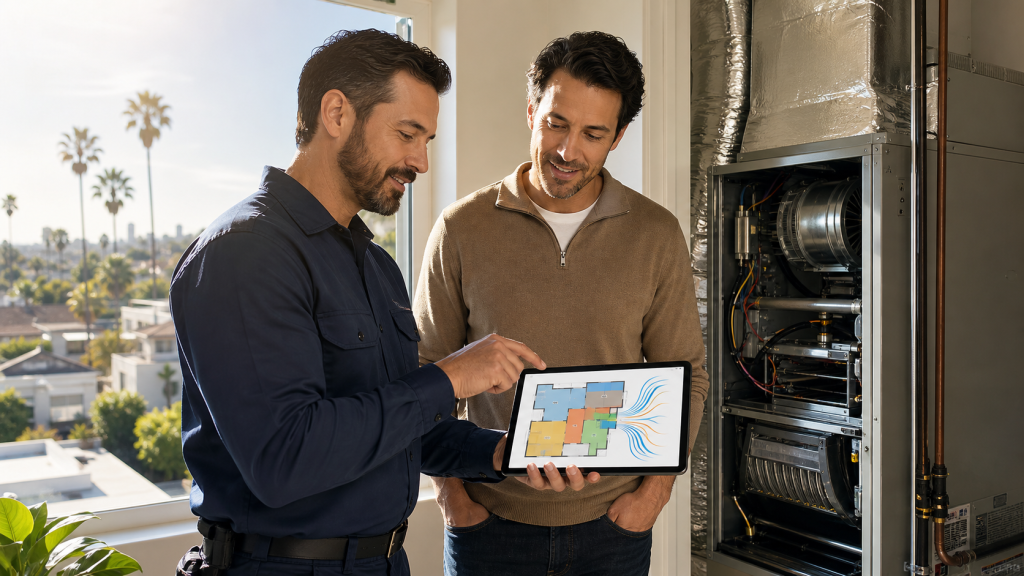
In these cases, we start with an inspection and share honest feedback on whether repair or replacement makes more sense for the property. Sometimes a careful repair buys more useful life. Other times, upgrading the system is better for comfort, long-term reliability, and fewer future service calls.
Planning the Right HVAC System for Your Rental Property
Good planning at the start makes the rest of the project smoother. That begins with a professional load calculation and a site review, not just swapping in a similar size unit. Rentals can vary a lot, even inside the same building.
We look at things like:
- Square footage and layout of each unit
- Existing ductwork condition or lack of ductwork
- Electrical panel capacity and access
- Rooftop, balcony, or side yard space for condensers
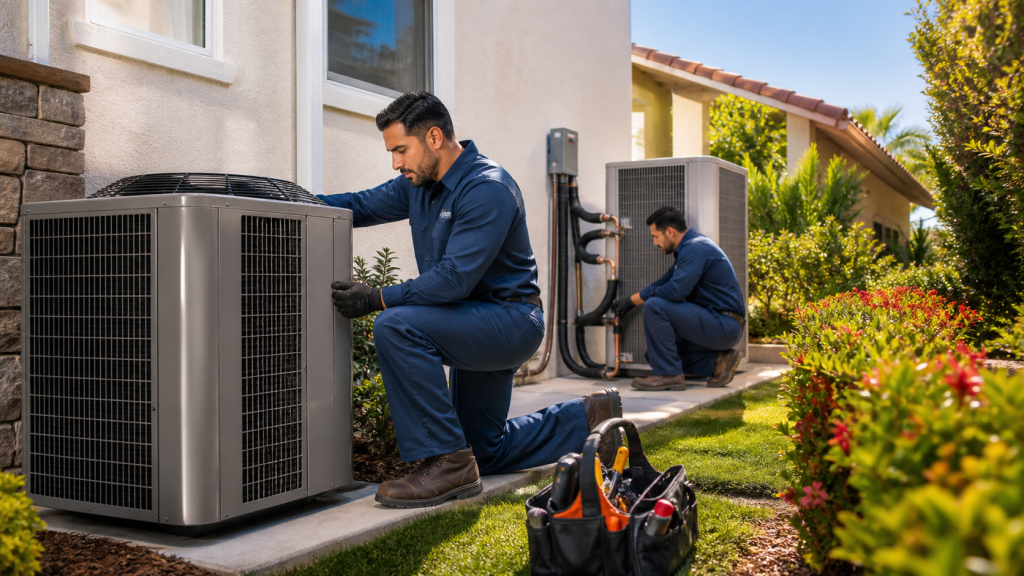
For many Los Angeles rentals, a central split system works well, especially in single-family homes or larger apartments that already have ducts. For ADUs, garage conversions, or older buildings without ducts, ductless mini-splits can be a smart option because they avoid big ceiling cuts and allow zoning for different rooms.
Heat pumps are another option that provide both heating and cooling in one system. In our climate, that can reduce the number of separate pieces of equipment that need service.
Landlords often focus on three main goals:
- Keeping upfront equipment choices reasonable
- Picking energy-efficient systems with modern ratings like SEER2
- Reducing tenant complaints and repeat repair calls
We help balance those goals by recommending brands and models known for steady performance, simple controls, and easy maintenance. A system that is easier for tenants to understand is less likely to be misused.
Permits, HOA Rules, and Building Constraints in LA
Permitted HVAC installation in Los Angeles is about more than paperwork. City and county permits help ensure the system is installed to code, which protects both the building and the people living in it. Inspections also create a record that the work was done in a compliant way.
Many rentals also fall under HOA or building management rules. Those can include:
- Noise limits for outdoor units
- Approved locations for condensers and line sets
- Color and placement rules so equipment is not visible from certain angles
- Strict hours when contractors are allowed to work or access the roof
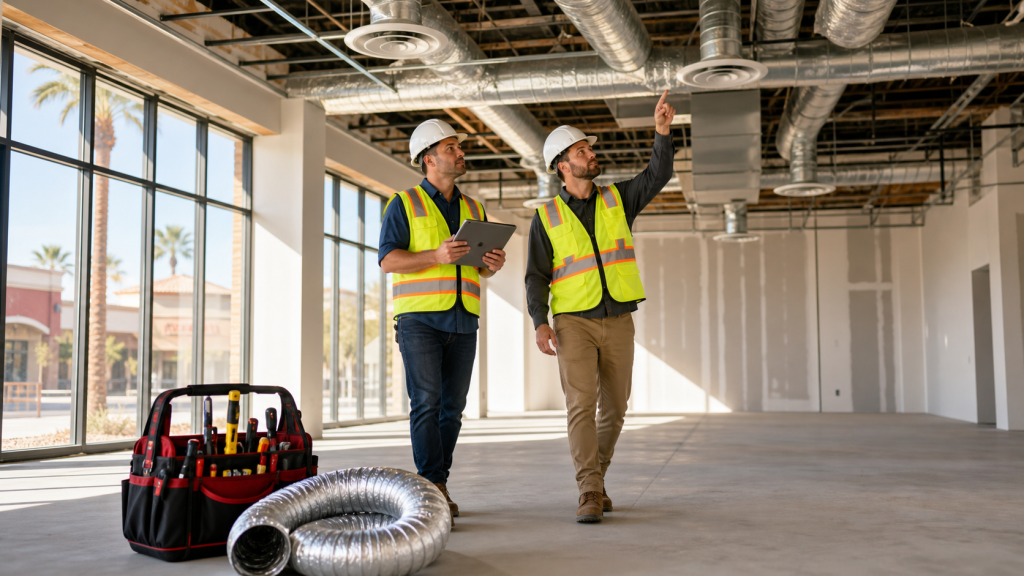
These limits affect where we can place equipment, how we run wiring and refrigerant lines, and when our crews can be on-site. For rooftop units, we may need to plan crane time, arrange roof access, and coordinate with on-site staff.
We regularly coordinate with local building departments for permits and inspections and with HOAs or property managers for access rules. Planning all of that ahead of time helps avoid failed inspections, surprise violations, or last-minute changes that delay the project and frustrate tenants.
Minimizing Disruption for Tenants During Installation
HVAC work in rentals means working around real lives, not empty houses. One of the best strategies is timing. Late spring is a smart window to plan installation before the hottest weeks, when outages feel much harder on tenants and timelines tend to tighten.
Some ways to limit disruption include:
- Grouping work in multi-unit buildings so we use shared access windows efficiently
- Choosing weekday time blocks that avoid early mornings and late evenings
- Staging equipment and materials so we are ready to start as soon as we arrive
During installation, tenants can expect periods without heating or cooling, some drilling, possible ductwork access, and old equipment removal. We protect floors, hallways, and common spaces so dust and debris stay contained and cleanup is straightforward.
Clear communication makes the biggest difference. Landlords should:
- Send written notices that explain start dates, time windows, and expected downtime
- Confirm how workers will access each unit, including keys or entry codes
- Share a simple timeline, including when testing and final walkthroughs will happen
On our side, we plan the job so that once we begin, we keep momentum. Pre-ordering equipment, having the right parts on our trucks, and scheduling crews correctly helps us reach same-day system startup on many jobs, so tenants get comfort back quickly.
Setting up Long-Term Service and Clear Expectations
Once a new system is in, keeping it running well is just as important as the installation itself. Rental properties often see heavy use, with tenants adjusting thermostats often and doors and windows opening and closing throughout the day.
A regular maintenance plan helps:
- Cut down on surprise breakdowns in peak heat
- Maintain energy efficiency over time
- Extend the life of the system under daily use
Landlords usually handle professional tune-ups and any needed repairs. Tenants can help by changing filters when that is part of the lease, keeping vents clear of furniture, and speaking up early if performance changes.
Good documentation also reduces stress for everyone. We suggest:
- Noting HVAC model, condition, and filter sizes on move-in forms
- Providing simple instructions for thermostat use and any special features
- Keeping records of maintenance visits and repairs
Clear records protect property value and help avoid arguments about who caused damage or when a problem began. With the right installation plan, permit handling, and ongoing service, rental HVAC can stay dependable, safe, and comfortable for both landlords and tenants.
Get Started With Your Project Today
If you are ready to upgrade your comfort and efficiency, our team at Best HVAC LA can design and install a system tailored to your home. Explore our HVAC installation in Los Angeles services to see how we handle every detail from sizing to setup. Have questions or need a quote? Simply contact us and we will help you plan the right solution for your space.