Strategic HVAC Zoning System Planning for Anaheim Homes
Keeping an Anaheim home comfortable in summer is not always as simple as setting one temperature on one thermostat. Upstairs rooms heat up fast, add-ons feel stuffy, and areas with big west-facing windows can feel like a different climate from the rest of the house. A smart HVAC zoning system in Anaheim helps solve those uneven temperatures so your whole home feels balanced.
In this article, we are going to walk through how zoning works, how we plan zones for real Anaheim floor plans, what equipment pairs well with zoning, and why installation details matter so much. Our goal is to help you understand what a well-planned zoning system looks like so you can make clear decisions for your own home.
Create Comfort Zones in Every Anaheim Room
An HVAC zoning system breaks your home into separate “zones,” each with its own temperature control. Instead of one thermostat trying to control everything, you may have a thermostat or sensor for each major area. Motorized dampers in the ductwork open and close so the right amount of air goes to each zone.
This setup is especially helpful for homes in Anaheim that have:
- Two or more stories
- Room additions or converted garages
- Different sun exposure on each side of the house
In June, many homeowners want to keep the upstairs cool without turning the downstairs into a fridge. Zoning helps with that by letting you run more cooling to the upper floor while easing off on the lower floor. It can also reduce hot and cold spots, prepare your home for peak summer heat, and keep rooms with lots of sun from overheating.
We focus on strategically designing zoning systems, not just adding more vents or sticking in random dampers. The goal is a plan that balances comfort, energy use, and long-term reliability of your HVAC equipment.
How HVAC Zoning Works in Real Anaheim Homes
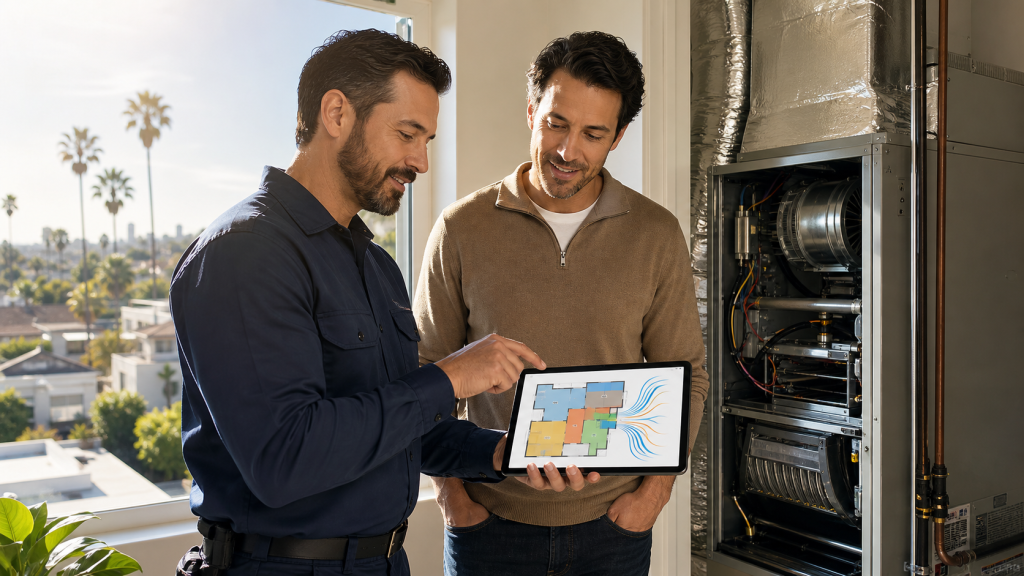
Every zoned system starts with the same main parts:
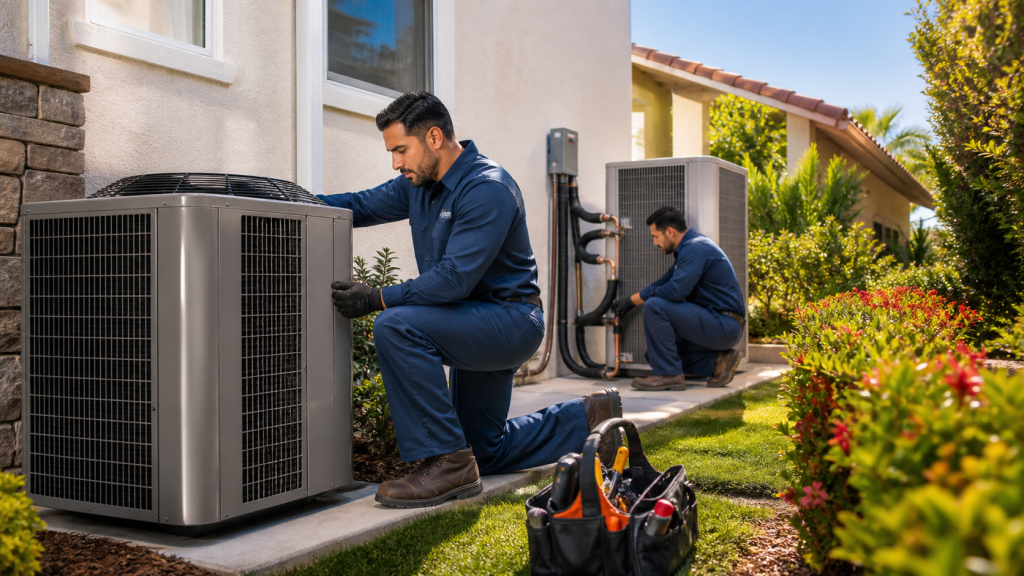
- Central HVAC equipment (furnace, air handler, AC or heat pump)
- Ductwork that carries air through the home
- Motorized dampers in the ducts for each zone
- A zone control panel that tells the dampers and equipment what to do
- Thermostats or temperature sensors for each zone
When one zone calls for cooling, the control panel opens that zone’s dampers and keeps others partly or fully closed, sending more air where it is needed. When another zone calls, the pattern shifts.
In Anaheim homes, we often see zones set up like:
- Upstairs vs. downstairs
- Main living areas vs. bedrooms
- Original house vs. addition or converted garage
- Main home vs. attached ADU or guest space
The layout depends on your floor plan and how you actually live. Maybe you want bedrooms cooler at night while the kitchen and living room can relax a bit. Or maybe a bonus room over the garage runs hot and needs its own zone.
One important point: zoning works best when the main HVAC system is sized and installed correctly. Zoning does not fix an undersized or poorly installed unit. It improves air distribution and control on top of a good base system.
Planning the Right Zoning Layout for Your House
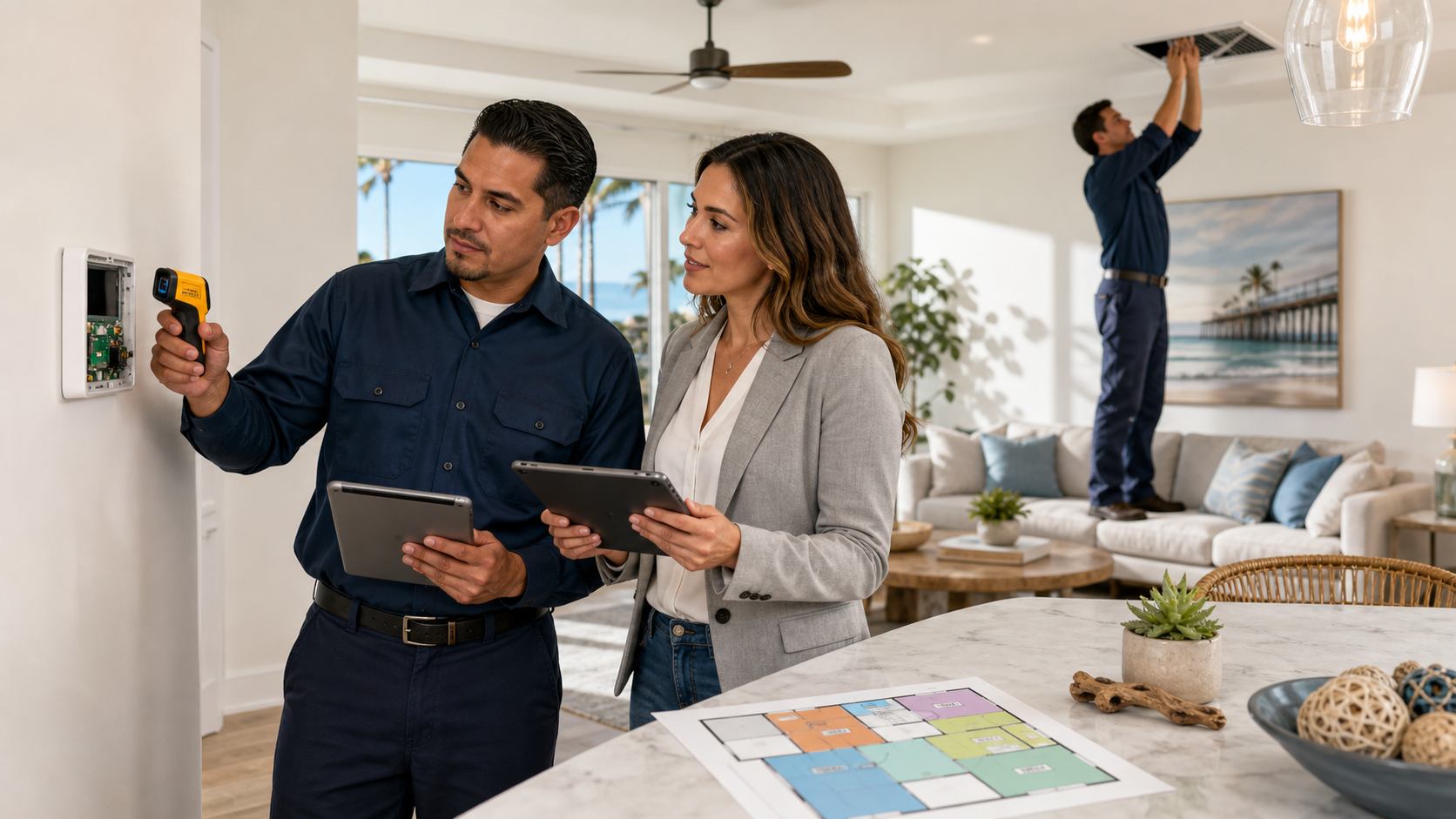
Before suggesting any changes, we look closely at the home itself. A good zoning plan starts with understanding how the house behaves.
We pay attention to:
- Square footage and layout
- Ceiling heights and open stairways
- Insulation levels and attic conditions
- Window size and direction of sun exposure
- Existing duct design, supply and return locations
From there, we match common zone setups to Anaheim-style homes, such as:
- Townhomes: one zone for main level living areas, one for bedrooms, sometimes a third for a top loft
- Two-story single-family homes: one zone per floor, plus separate zoning for a large master suite or bonus room
- Large custom homes: multiple zones by wing or function, such as public spaces, private bedrooms, and home office areas
- Homes with attached ADUs or guest spaces: a separate zone so guests or renters can control their own comfort
We also try to think ahead. Are you planning a future room addition, short-term rental, or an in-law suite? Building in some zoning flexibility now can reduce the chances of major duct rework later. A little planning up front often keeps options open for how the home will be used in the future.
Choosing HVAC Equipment and Brands for Zoning
Not every type of HVAC equipment behaves the same way with zoning. Single-stage systems are basically on or off, at full power. They can work with zoning, but they are not always the best match for multiple smaller zones.
Systems that generally pair better with zoning include:
- Two-stage furnaces and condensers
- Variable-speed or multi-speed air handlers
- Inverter-based heat pumps and condensers
These systems can adjust their output, so they are not blasting full power into just one or two zones all the time. That helps comfort and can protect the equipment from stress.
When we help an Anaheim homeowner compare options, we talk through:
- Reliability and track record
- Manufacturer warranties
- Noise levels inside and outside
- Ability to adjust capacity across different zones
Supportive upgrades can also help zoning work better. Communicating thermostats can coordinate zones more smoothly, and better filtration can keep air cleaner as it moves through the system. Still, the main focus is always on a properly matched, zoned heating and cooling setup, not just add-on gadgets.
Installation Details That Make or Break Zoning
Even the best equipment and smartest plan can fall short if the installation is sloppy. Zoning is very sensitive to airflow.
Key details we pay attention to include:
- Where dampers are installed in the duct runs
- Correct duct sizing for both supply and return air
- Duct sealing to limit leaks into attics or crawl spaces
- Bypass strategies, or better, system designs that avoid old-style bypass ducts
- Making sure no small zone gets so much air that it causes noise or comfort problems
Local permits and code rules in Anaheim and nearby cities also matter, especially for older homes or houses that have been remodeled many times. Patchwork ductwork can hide surprises, so we inspect carefully and correct issues that could hurt zoning performance.
Our installation steps usually include load calculations, zoning design on paper before any cutting, careful placement of dampers and controls, then full testing of each zone. We also walk homeowners through how to use the thermostats, what to expect, and how different zone settings interact.
Energy Savings, Maintenance, and When to Upgrade
A well-planned HVAC zoning system in Anaheim can help trim energy use because you are giving more cooling only where and when it is needed. Some simple strategies include:
- Setting sleep areas cooler at night and letting daytime areas rest
- Letting less-used rooms float a little higher in temperature
- Taking advantage of evening breezes by relaxing the thermostat in some zones
Zoned systems also need regular care. During maintenance visits, it helps to:
- Check dampers for proper movement
- Confirm the zone control panel is responding correctly
- Measure airflow and static pressure to be sure the system is not straining
- Combine this with standard HVAC tune-up tasks for the equipment
If you already have HVAC equipment in place, sometimes zoning can be added to the existing system. Other times, if the unit is older or poorly matched to the home, it makes more sense to plan zoning at the same time as a replacement. Warning signs of a poorly designed or failing zoning setup include loud airflow noises when only one zone runs, frequent short cycling, or rooms that still do not feel right even after thermostat changes.
Thoughtful planning, the right equipment match, and careful installation are what make zoning worth it for Anaheim homes. With the heat and strong sun we get in this area, a smart zoning strategy can turn a frustrating, uneven house into one that finally feels comfortable from room to room.
Get Started With Your Project Today
If you are ready to improve comfort and efficiency in every room, we can design a custom HVAC zoning system in Anaheim tailored to your home. At Best HVAC LA, we take the time to understand your layout, your goals, and your budget before we recommend any solution. Reach out today so we can answer your questions, provide clear pricing, and schedule a convenient appointment. You can also contact us to get started right away.