Stop Living with Hot and Cold Spots in Your Home
A new HVAC system should make your home feel comfortable from room-by-room. When you spend the money to replace old equipment and still end up with hot bedrooms, sticky upstairs spaces, or a cold office, something is not right.
In our area, when the sun is strong most of the year, a system that is not working the way it should does more than annoy you. It wastes energy, puts extra strain on your equipment, and makes long warm days feel even longer. Many homes and businesses in Los Angeles, Ventura, and Orange Counties deal with this after a recent HVAC installation.
We see this a lot when systems are not planned or installed for the real layout of the building. In this article, we will walk through common comfort problems after an install, what usually causes hot and cold spots, how poor airflow starts, and when it is time to call an HVAC professional to repair, adjust, or replace parts of your system.
Why New HVAC Systems Still Have Comfort Problems
A shiny new unit does not automatically mean a comfortable space. The equipment can be brand new and high-performance, but if it was not sized and designed for your home, it can still struggle.
Common planning mistakes include:
- Skipping a proper load calculation and guessing the size of the system
- Reusing old, undersized, or poorly laid out ductwork
- Focusing only on the lowest upfront cost instead of long-term comfort and efficiency
- Treating a complex building like a simple one-story box
HVAC installation in Los Angeles has its own set of challenges. Many homes have multiple stories, additions, ADUs, garages turned into living spaces, or mixed-use setups with offices and living areas together. Each of these spaces may have a different heat load. A room with big west-facing windows will gain heat very differently from an interior hallway or shaded lower floor.
These comfort problems do not always show up on installation day. At first, the system might seem fine, because the weather is mild or you are not home all day. Once we hit the first big heatwave or you start running the AC for long hours, the weak spots appear: upstairs spaces that never cool, rooms that feel humid, or an area that never seems to match the thermostat.
Diagnosing Hot and Cold Spots After Installation
Hot and cold spots are usually the first sign that your new system is not set up correctly for your home. Some common things people notice are:
- One or two rooms never reach the thermostat setting
- Upstairs feels much hotter than downstairs
- Corner bedrooms are uncomfortable while central rooms feel fine
- Certain spaces feel stuffy, even when the AC runs a lot
These problems are often tied directly to design and installation choices, not just the equipment itself. Typical causes include:
- Ducts that are too small for the air they need to carry
- Long, twisted, or poorly routed duct runs that choke airflow
- Supply and return vents that are not balanced across the home
- Registers that are blocked by furniture or installed in weak locations
- Lack of zoning or separate control in larger or multi-story homes
When we investigate these issues, we do not just stand at the thermostat and guess. A proper check usually involves:
- Measuring room-by-room airflow at the vents
- Inspecting ductwork in attics or crawlspaces for kinks, leaks, and crushed sections
- Confirming damper positions and how air is being directed
- Verifying that the equipment capacity actually matches the heating and cooling load of the space
As late spring turns into hotter months, problems like a hot second story, a stuffy home office, or an uncomfortable short-term rental unit become much more noticeable. That is often when people realize the system they just installed might not have been designed around how they actually use the building every day.
Fixing Poor Airflow and Noise in Your New System
Poor airflow can make even a strong system feel weak. You might feel a light trickle of air from some vents, louder whooshing from others, or hear odd noises whenever the fan kicks on.
Typical symptoms include:
- Weak air from vents in certain rooms
- Big differences in airflow between spaces
- Whistling, rattling, or banging sounds from ducts or grilles
- A system that seems to run nonstop but never feels powerful
Many of these issues come from installation choices, such as:
- Filters or grilles that are too restrictive for the system
- Not enough return air, especially in closed-off rooms or upper floors
- Unsealed or poorly sealed ducts that leak air into attics or crawlspaces
- Blower settings that are not matched to the duct system on new high-efficiency units
A licensed HVAC contractor has tools and training to correct these problems safely. The work might include:
- Sealing duct joints to keep conditioned air inside the system
- Resizing or rerouting duct runs to provide better airflow
- Adding or relocating return vents so air can flow back to the system evenly
- Adjusting blower speed, fan profiles, and checking static pressure so the equipment moves the right amount of air without excess noise
Smart thermostats and higher-quality filters can support comfort and help your system run better, but they cannot fix basic design errors. If the ducts are too small or poorly laid out, or if the system is simply not matched to your home, accessories will only do so much. The real fix comes from adjusting the design, installation, and settings of the HVAC system itself.
When to Repair, Rebalance, or Replace Your HVAC System
Not every comfort issue means you need a new system. Many problems can be improved by targeted repairs and adjustments. The challenge is knowing when you are dealing with something minor and when the whole setup needs a new plan.
In general, you may only need adjustments if:
- The system is fairly new but never seemed to run quite right
- Only a few areas of the building feel uncomfortable
- Airflow is uneven but the equipment itself is in good shape
For a newer system that underperforms, a smart first step is a professional post-installation inspection. A thorough check will usually include:
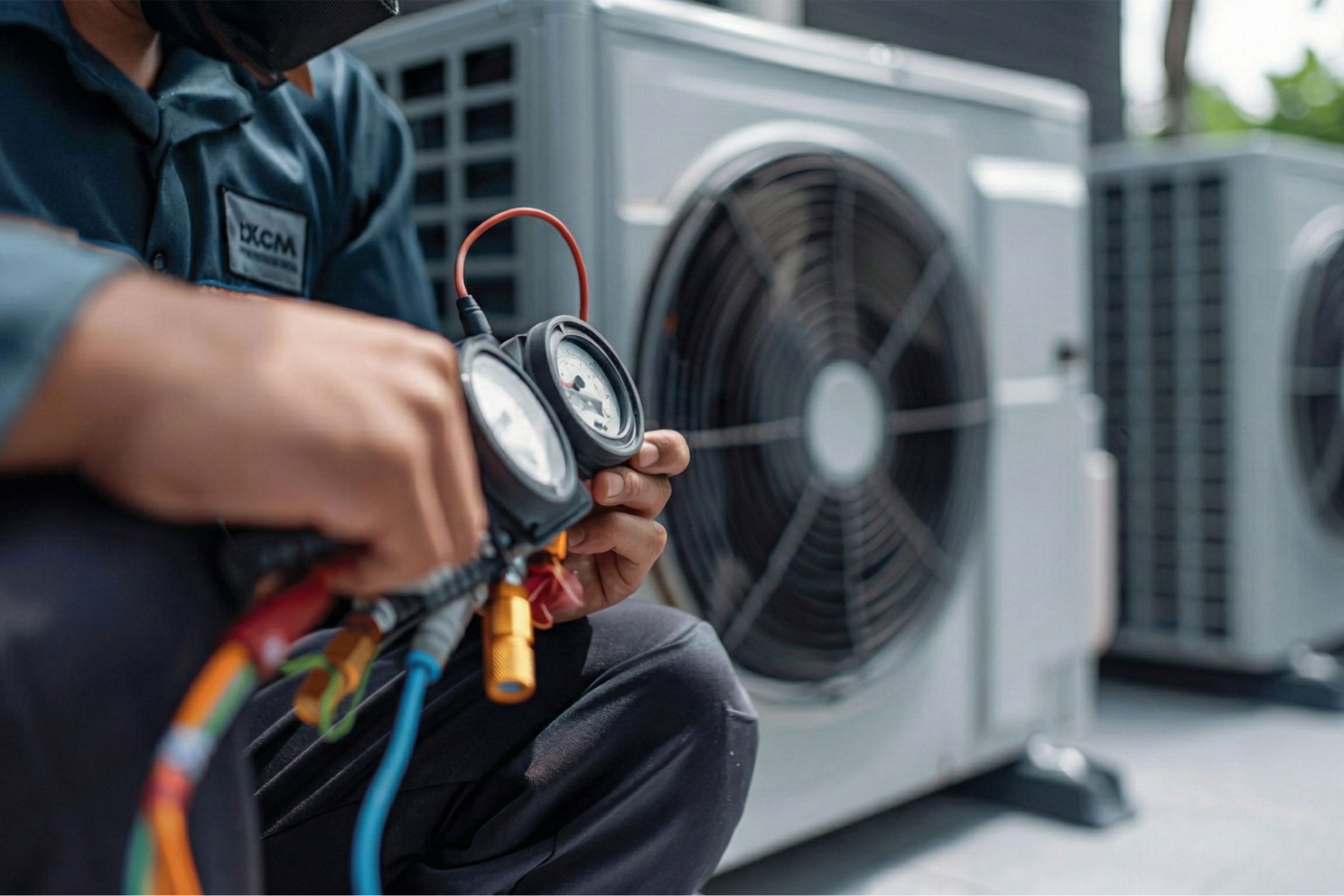
- Verifying refrigerant charge and confirming the AC is running within proper ranges
- Measuring airflow and static pressure through the duct system
- Inspecting duct integrity and looking for leaks or blocked sections
- Reviewing thermostat setup, including schedules, fan settings, and any zoning controls
There are also times when replacement or a larger upgrade makes more sense. That may be the case if:
- You have older equipment paired with new additions or major remodels
- The system has recurring breakdowns or frequent repairs
- Utility bills keep climbing while comfort gets worse
- It becomes clear that the current system was never sized correctly for your home or business
Planning a new HVAC installation in Los Angeles with an experienced contractor gives you a chance to fix these long-term issues. A good installation focuses on accurate load calculations, thoughtful duct design, equipment that fits your goals for efficiency and comfort, and options like zoning for homes and commercial spaces with different needs in different areas.
Plan Your Next Step Toward Year-Round Comfort
If you are living with hot and cold spots, poor airflow, or a new HVAC system that just does not feel right, you are not stuck with it. Many of these issues can be found and fixed with careful testing, system balancing, and, when needed, updated equipment and ductwork that actually match your building.
At Best HVAC LA, we focus on core HVAC services like planning new systems, installing and replacing equipment, repairing problem setups, and maintaining heating and cooling systems for homes and businesses across Los Angeles, Ventura, and Orange Counties. When we troubleshoot comfort problems, we look at the whole picture, not just the thermostat, so your system can work the way it was meant to and keep you comfortable through long sunny seasons.
Get Started With Your Project Today
If you are planning a new system or replacing an outdated unit, our team at Best HVAC LA is ready to help you design the right solution for your home or business. Learn how our expert HVAC installation in Los Angeles can improve comfort, efficiency, and long-term reliability. Reach out to us today to discuss your project, get straightforward recommendations, and schedule a convenient appointment, or contact us with any questions.