Keep Your Condo Comfortable and HOA-compliant
HVAC maintenance in Los Angeles condos is not just about staying cool. It is also about staying on good terms with your HOA, your neighbors, and your building manager. When your system is loud, leaking, or hard to access, people notice fast.
Condo HVAC work is different from a single-family home. You have shared walls, shared roofs, limited space for equipment, elevators instead of driveways, and strict rules from the HOA and the city. A simple repair can turn into a headache if the contractor does not understand how condo buildings work.
We work with condo owners and multi-unit buildings across Los Angeles, Ventura, and Orange Counties, so we see these issues every day. With the right planning, you can keep your split system running smoothly, protect the roof, respect noise limits, and stay well inside your HOA rules.
Navigating HOA Rules Before Any HVAC Work
Before anyone touches your HVAC system, your HOA usually wants paperwork. Skipping this step can lead to fines or a stop-work order halfway through your project.
Most condo communities ask for things like:
- An architectural or improvement application
- Proof that the contractor is properly licensed and insured
- Copies of city or county permits for new or replacement systems
- Technical details on the equipment being installed
We help pull together the information HOAs often request, such as equipment data sheets, basic load calculations, and layout notes, so your board and property manager can review the plan instead of guessing.
HOAs also set very specific rules around your HVAC system, for example:
- Where outdoor condensers are allowed to sit, such as roof, balcony, or equipment area only
- Which fuel types are allowed in the building, like electric heat pumps instead of gas in some communities
- Appearance standards for units, line covers, and visible grilles
- How condensate lines must drain so they do not stain walls or walkways
- Limits on where refrigerant lines can run on the exterior of the building
Some boards even set minimum efficiency levels or limit certain equipment types, which affects what models make sense for your condo. When we plan a replacement, we stay inside those rules so you are not stuck paying for changes later.
Timing is another big topic with condos. HOAs and building managers often control:
- Quiet hours when noisy work is not allowed
- Elevator reservations and padding for moving equipment
- Approved days and hours for contractors to be on site
For multi-day jobs, such as full system replacements, careful planning keeps you comfortable while keeping your neighbors calm. A professional crew will plan deliveries, crane time if needed, and indoor work so you do not end up with an angry email from the HOA halfway through.
Roof Access, Safety, and Split-System Logistics
Many LA condos keep HVAC equipment on the roof. That can mean packaged rooftop units or split-system condensers grouped in rows. Getting up there is not as simple as climbing a ladder.
Roof access often requires:
- Keys, codes, or badges from building management
- Sign-in and escort rules for contractors
- Limits on how and where ladders can be set up
Safety is a big deal on roofs. Professional HVAC techs follow fall protection rules, use safe access points, and bring the right gear so they are not walking on fragile areas or damaging roofing materials. Even one wrong step can puncture a membrane or crack a tile.
Roof warranties are another big concern for HOAs. Dragging a condenser across the roof, dropping tools, or setting heavy gear directly on the surface can break waterproofing and cause leaks into units below. We protect the building by using:
- Roof-friendly paths and protective mats
- Proper rigging when lifting or shifting heavy units
- Careful planning of where tools and parts are staged
Inside condos, split systems come in different layouts. You might have:
- Fan coils or air handlers in hallway or bedroom closets
- Ceiling-mounted units above bathrooms or hallways
- Condensers on the roof, balcony, or shared equipment deck
Good original design makes future maintenance much easier. Access panels need to open fully. Drain lines must be routed where they can be cleared without cutting drywall. Refrigerant line sets should be placed so they are protected but still reachable. When we design or replace a system, we think about the tech who will service it later, so you are not tearing into walls for a simple repair.
Noise Limits, Vibration Control, and Neighbor Relations
In a condo, your condenser is not just your problem. The sound can carry into your neighbor’s bedroom or living room, especially on warm evenings when everyone is home and the AC is running.
City noise rules and HOA CC&Rs often set maximum decibel levels for outdoor units and may limit where a condenser can sit. Noise complaints usually happen:
- During summer evenings when systems cycle more often
- Overnight when everything is quiet and a loud fan stands out
- When a unit is mounted against a shared wall without vibration control
Choosing the right equipment at installation goes a long way. Modern high-efficiency systems often have:
- Variable-speed compressors that ramp up and down smoothly
- Fan designs made for quieter airflow
- Sound blankets and better cabinet designs
When we suggest equipment for condos, we pay close attention to sound ratings, not just cooling capacity. The goal is strong performance without the constant drone or rattle that starts neighbor disputes.
How the unit is mounted matters too. Good installers use:
- Proper concrete or composite pads sized for the condenser
- Anti-vibration mounts and isolators between the unit and the structure
- Correct refrigerant charge so the compressor does not strain or buzz
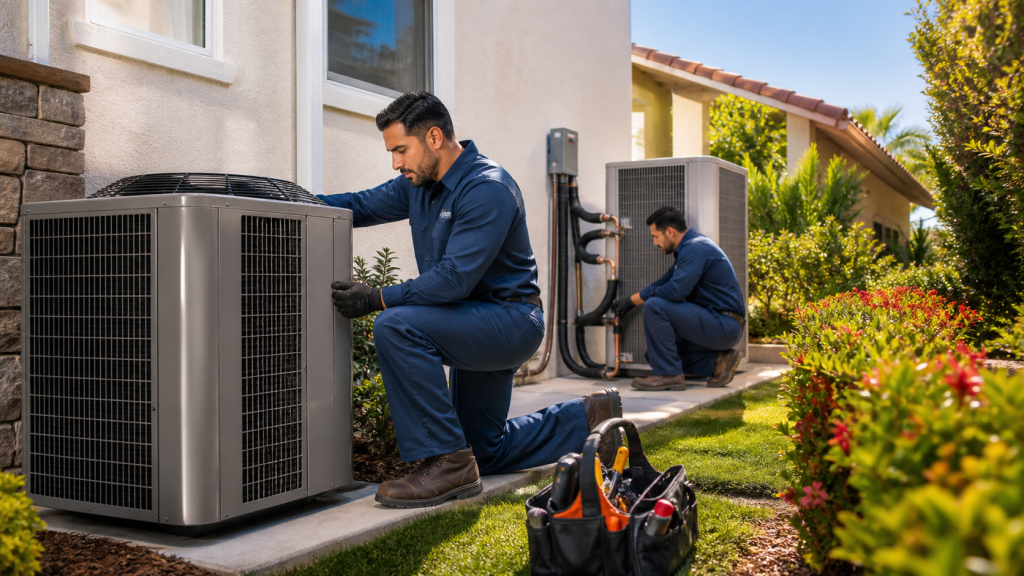
Regular maintenance helps keep everything quiet. During a service visit, a tech can:
- Tighten loose panels and hardware
- Check fan blades for balance and wear
- Clear leaves and debris that cause odd noises
- Replace worn electrical parts or bearings before they get loud
Smart Split-System Maintenance for LA Condo Owners
Early summer is a smart time for HVAC maintenance in Los Angeles condos. Demand for emergency calls climbs fast once the real heat hits, and condo scheduling is slower because of HOA and building rules.
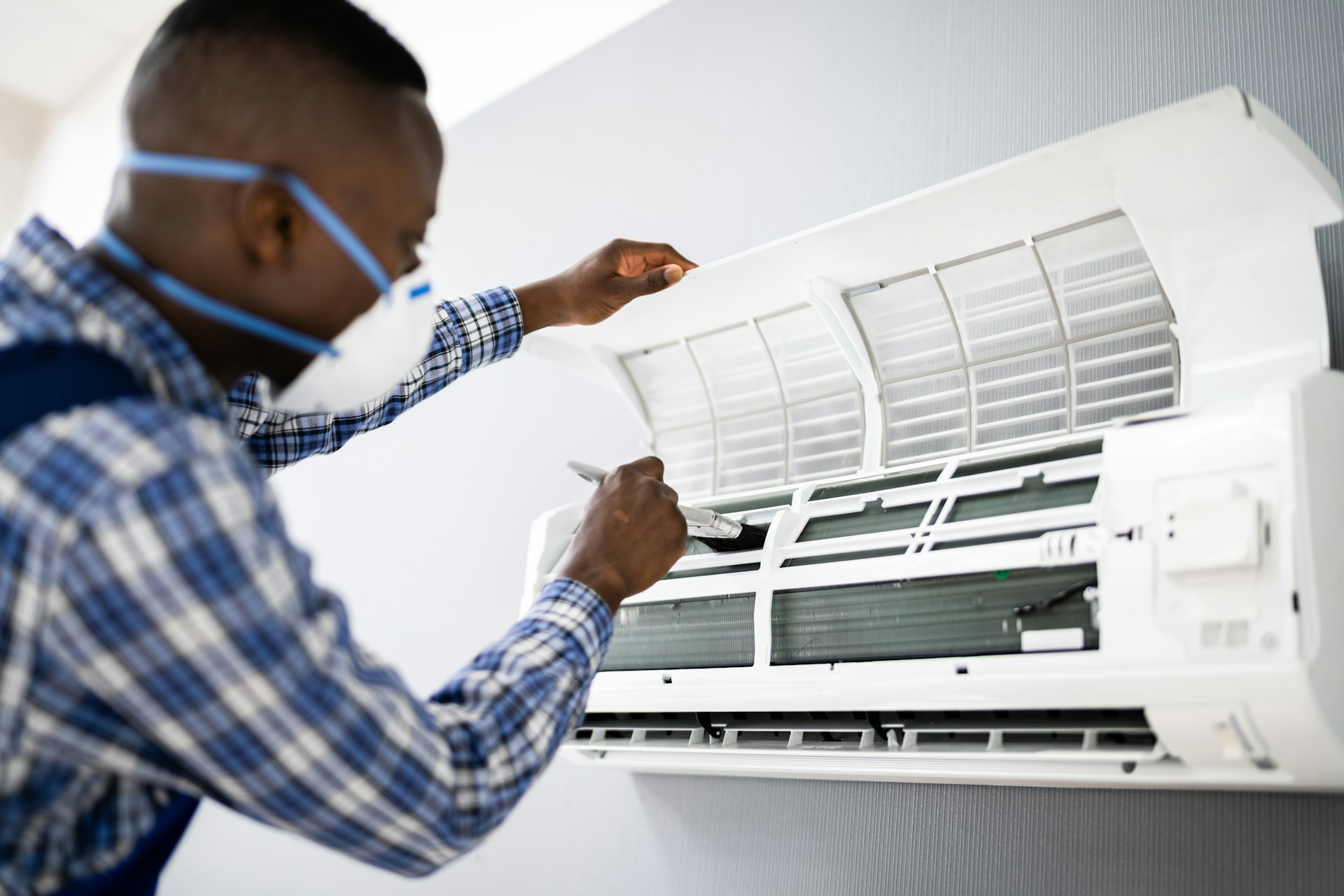
A typical split-system maintenance visit in a condo can include:
- Cleaning indoor and outdoor coils
- Flushing and testing drain lines to help prevent leaks
- Checking refrigerant levels and system pressures
- Inspecting electrical connections and safety controls
- Testing airflow and temperature split inside your unit
These steps help keep your system stable in tough LA conditions, especially in coastal areas with salty air or in parts of the city with more smog that can coat outdoor coils.
Regular service can often stretch the life of your equipment, but there is a point where replacement makes more sense than more repairs. Signs that it may be time to plan a new system include:
- The same part of the system breaking again and again
- Major failures like a compressor or coil issue
- Older units that use outdated refrigerants
- Systems that run long and still struggle to cool your condo
In condos, you also have to factor in planning time. Before a replacement, you may need:
- HOA approval for the new system type and location
- Scheduled roof and elevator access
- Possible crane or lift arrangements for rooftop units
- Coordinated access inside your unit and sometimes neighbors’ units
A thoughtful plan keeps you from rushing into big decisions during a heat emergency. We often help condo owners and boards think ahead with simple assessments, rough timelines, and upgrade paths that fit both building rules and long-term comfort.
Maximize Comfort And Efficiency With Expert HVAC Care
If you want your system ready for every heatwave, schedule professional HVAC maintenance in Los Angeles with Best HVAC LA today. Our technicians will inspect, clean, and fine-tune your equipment so it runs efficiently and reliably all year. To book an appointment or ask a question, simply contact us and we will help you choose the service that fits your home or business.