
Plan Your New System Before LA Summer Hits
Planning your HVAC installation in Los Angeles before the real heat hits is one of the smartest things you can do for your home or building. When you rush that choice during the first heat wave, it is easy to grab whatever unit is available and hope it works. That is how people end up with rooms that never cool down, high electric bills, and systems that need to be fixed or redone way too soon.
When you are replacing an old system, you usually have two paths. One is a simple change-out, where the main equipment is swapped and everything else stays the same. The other is a full HVAC installation, which can include new ductwork, electrical updates, and a fresh design for how air moves through the space.
Picking the right path affects how comfortable your rooms feel, how often the system runs, and how long it will last. Licensed HVAC contractors can look at the whole picture, not just the outdoor unit, and help you avoid guesswork. Our goal here is to make it clear when a change-out is enough and when it is smarter to plan a full installation before summer demand ramps up.
What a Simple Change-Out Really Includes
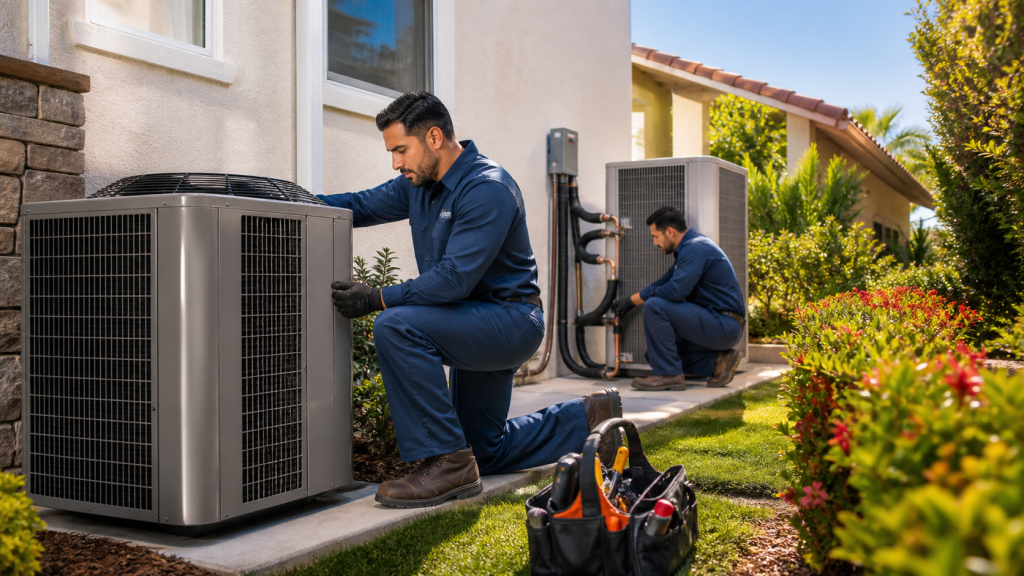
A change-out is the quick version of HVAC replacement. We remove the old equipment and put new equipment in its place. That usually means:
- New outdoor condenser
- New indoor furnace or air handler
- New evaporator coil if needed
- Reconnection to your existing refrigerant lines, ducts, and wiring
With a change-out, your ductwork stays as is. The electrical setup stays mostly the same. The basic design of your system does not change. This can be a good fit when:
- Your ducts are in good shape, not ripped, crushed, or noisy
- You do not have hot and cold spots from room to room
- Your electrical panel and wiring already meet current code for HVAC loads
The risk is that new high-efficiency equipment may not play well with old ducts or poor airflow. If your home already has weak airflow in certain rooms, just swapping boxes usually does not fix that. You might also miss chances for better zoning or return air placement that could solve long-standing comfort issues.
A careful check of the existing ducts, return size, and wiring helps show whether a change-out will truly work for your space. That way you are not overspending on a full redesign when you do not need it, but you are also not throwing new equipment on a bad setup.
When a Full HVAC Installation Makes More Sense
A full HVAC installation in Los Angeles is more than a quick swap. It can include:
- New indoor and outdoor equipment
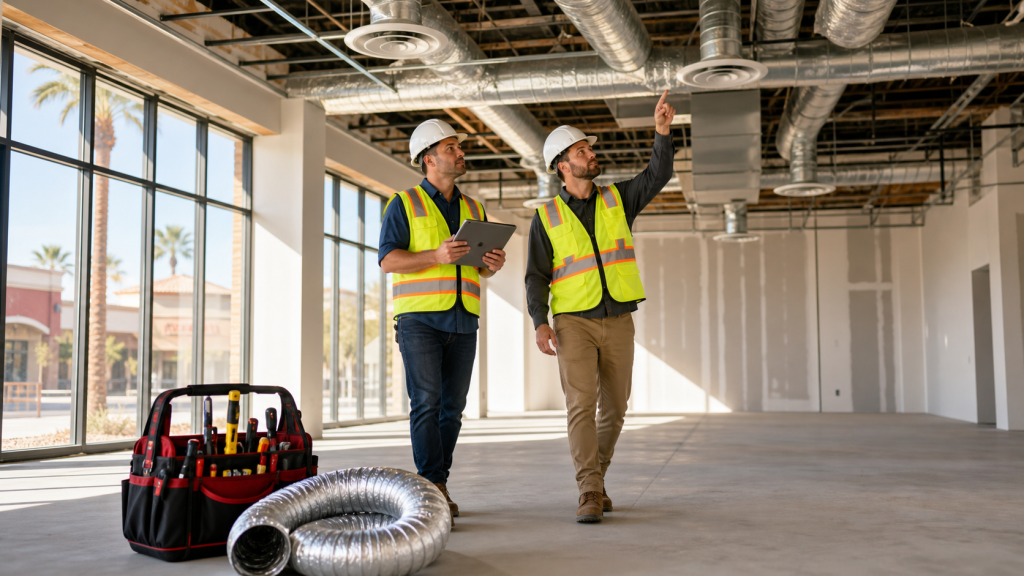
- Duct replacement, resizing, or layout changes
- Possible new refrigerant line set
- Electrical upgrades, breakers, and disconnects
- Updated venting, drain lines, and safety parts to meet code
You might need more than a change-out if you notice:
- Big temperature swings between rooms or floors
- Ducts that rattle, whistle, or clearly leak air
- Weak airflow at some vents even with the fan on high
- Dirty, damaged, or moldy ducts
- Evidence of old DIY work or past shortcuts
Many LA homes have been remodeled over time. Walls move, additions are built, garages get turned into living space, and ADUs pop up in backyards. The original duct layout and system size were often designed for a very different floor plan. If no one has updated the design since then, the system may be the wrong size and the duct paths may not match how you live now.
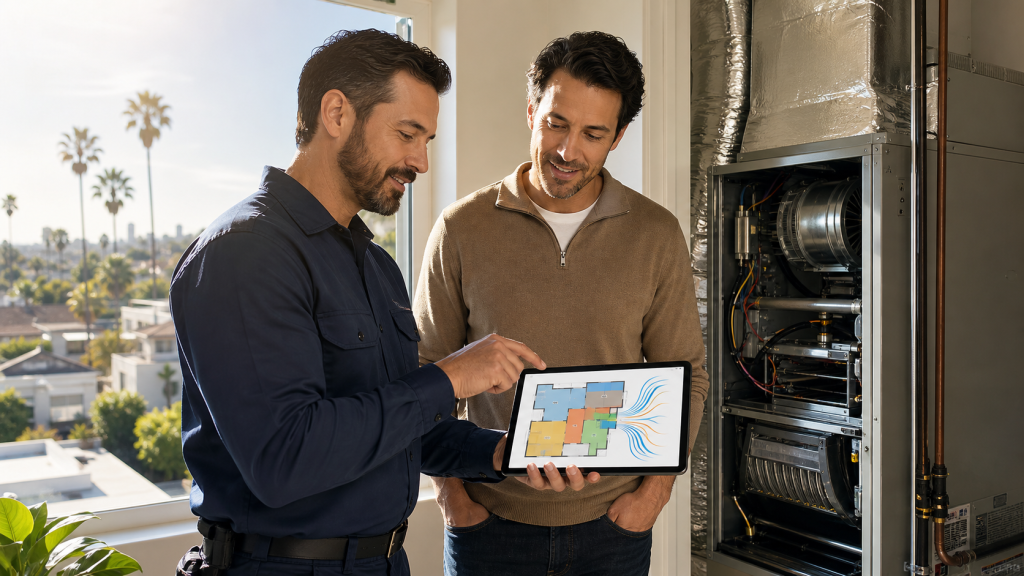
With a full installation, we look at the whole system, not just the boxes. That means checking duct size, return locations, supply layout, and where the equipment sits. The goal is for your new HVAC system to fix comfort problems, not just replace old hardware.
Load Recalculation, Duct Design, and Electrical Upgrades
A load calculation is the math behind proper sizing. Using methods like Manual J, we figure out how much heating and cooling your home or building actually needs. This includes:
- Square footage and ceiling height
- Window size, type, and direction
- Insulation levels in walls and attic
- Shading, orientation, and local microclimate
In our area, coastal zones, valleys, and inland neighborhoods all feel different. A fresh load calculation makes sense if you have:
- Installed new windows or added insulation
- Built an addition or ADU
- Converted a garage to living space
- Noticed that your current system is always short cycling or running nonstop
Duct redesign or resizing may be needed when returns are too small, runs are very long, or older flex ducts are kinked or crushed. Even the best equipment will struggle if it cannot move enough air through the duct system.
Electrical and safety upgrades often go hand in hand with a full installation. That can include updated breakers and disconnects, dedicated circuits, and wiring that can handle modern high-efficiency systems and smart thermostats. Getting this right helps the system run safely and keeps it aligned with current code.
Matching Equipment, Efficiency, and Budget to Your Home
Once the design is clear, the next step is picking the type of equipment. Common choices include:
- Central AC with a gas furnace
- All-electric heat pump systems
- Ducted systems feeding existing vents
- Ductless mini-splits in areas where ducts are not practical
Different parts of Los Angeles, Ventura and Orange Counties can benefit from different setups. Coastal homes may see more mild temperatures, while inland and valley homes deal with stronger heat. The right system type takes both your comfort needs and local climate into account.
Efficiency ratings can seem like alphabet soup, but they boil down to how well your system turns energy into cooling or heating:
- SEER2 and EER2 measure cooling efficiency
- AFUE measures furnace efficiency
- HSPF2 measures heat pump heating efficiency
Higher ratings can lower your bills, but only if the system is sized and installed correctly and the ducts are up to the job. Bigger is not always better. A system that is too large can short cycle, control humidity poorly, and wear out faster.
Brand names matter less than how well the system is designed, installed, and set up. Proper refrigerant charge, blower speed, and thermostat programming all affect comfort and efficiency. Add-ons like smart thermostats and upgraded filters can support a well-planned system, but they do not replace good design.
Repair or Replace Before Peak Cooling Season
Sometimes repair still makes sense. If your system is fairly new, has had regular service, and only one part has failed, a professional repair can be a practical option. This is especially true when:
- Parts are still available from the original manufacturer
- There are no major duct problems
- You are not dealing with recurring breakdowns
On the other hand, replacement is often the better path when you see:
- Frequent breakdowns or repeated service calls
- Refrigerant leaks on outdated refrigerants
- Major part failures on an older system
- Difficulty keeping up during mild spring days, long before the hottest weather
High bills, loud operation, or rooms that never feel right usually point to deeper design or duct issues. Swapping only the outdoor unit rarely fixes those problems for good. A full HVAC installation that includes new ducts, a correct load calculation, and proper electrical work can finally solve those long-term comfort headaches.
Spring is a smart time to make these choices. You have more scheduling flexibility, fewer emergency pressures, and time to plan the right design before the first serious heat wave hits. That way, when the sun is high and the days feel long, your system is ready to keep up without constant worry.
Upgrade Your Comfort With Expert HVAC Installation
If you are ready to replace an outdated system or need a new setup, we are here to help you plan the right HVAC installation in Los Angeles for your home or business. Our team at Best HVAC LA will assess your space, explain your options clearly, and recommend efficient equipment that fits your needs and budget. To schedule a consultation or ask questions, simply contact us and we will follow up promptly.